Peter HK
-
Posts
619 -
Joined
-
Last visited
-
Days Won
29
Content Type
Profiles
Forums
Events
Everything posted by Peter HK
-
I have to admit I have eaten possum once and don't intend to again :puke_right: This was in a famous restaurant in Adelaide where the chef, of asian background, is renowned for serving "unusual" courses. It was very gamey. They are protected as an endangered species on mainland Australia but not so in Tasmania where they are farmed and apparently fed on apples and other fruits to make the meat more palatable. I'm not sure they succeed :? Cheers Peter HK
-
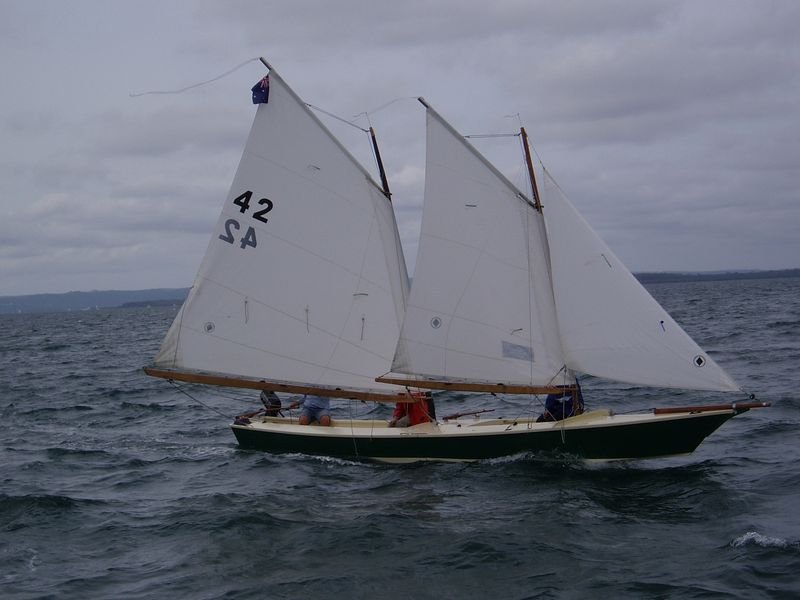
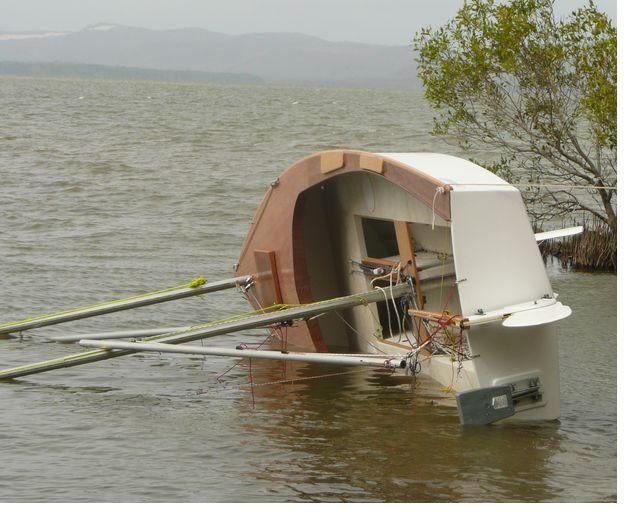
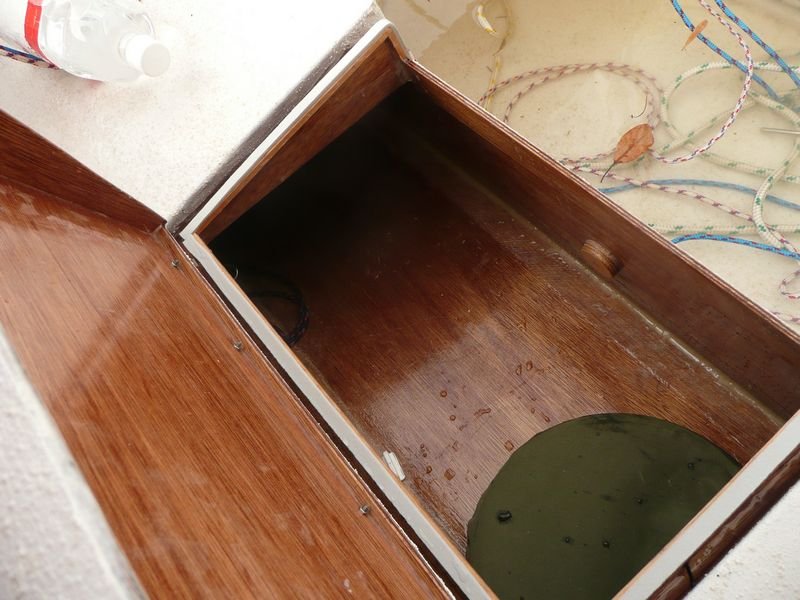
Except when they make a home in your boat (stored in a then not completely possum proof shed). Bit of a surprise when I came to go sailing and he crawled through the open inspection port into one of the buoyancy tanks on my Folding Schooner :crazyeyes:
-
From yesterday's experience it certainly looks like everyone needs that

-
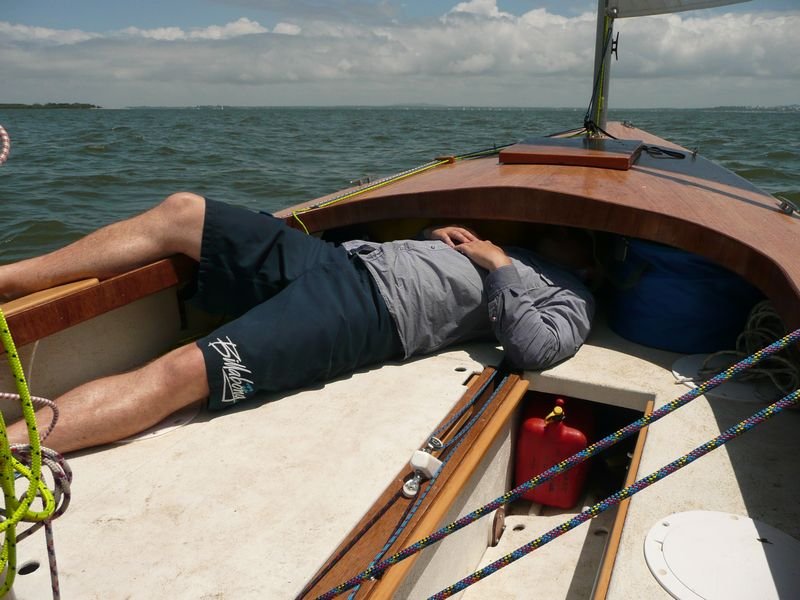
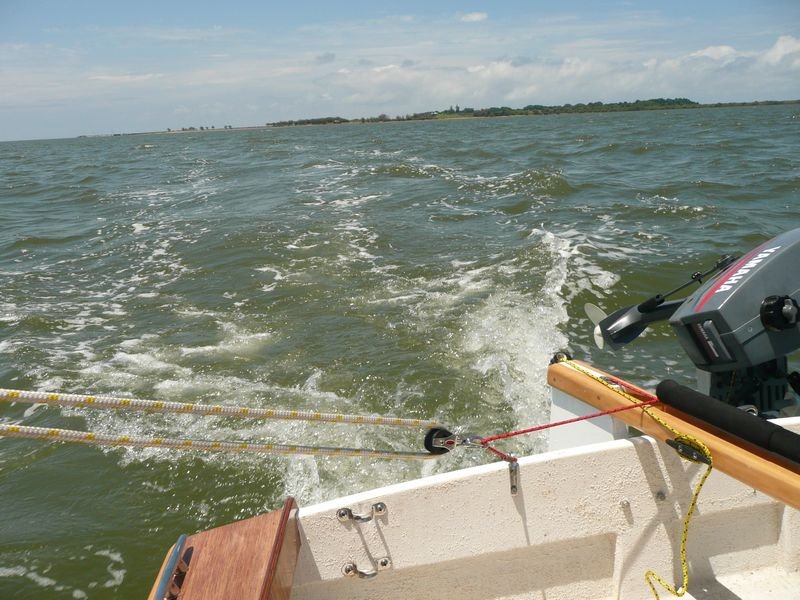
No one can disagree with that, but I add one further attribute...dangerous. I've had one battery explosion, only very mild, from hydrogen produced by charging, in a well ventilated compartment. There was a loose electrical connection at one terminal which sparked and the local concentration of hydrogen was enough to ignite. The higher concentration of hydrogen within the wet cell battery above the electrolyte blew the lid off. Luckily the electrolyte was contained and we could pick it up and dispose of it. Very little was sprayed around. I'm very careful with these things. Cheers Peter HK
-
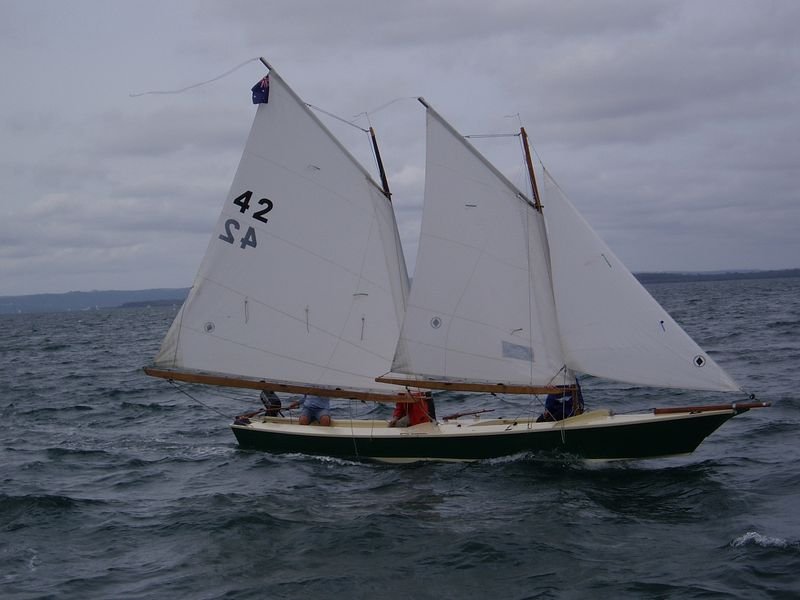
Randy said The reason I bother with any motor relates to the only time I was becalmed on this lake when there was promise of breeze and we'd sailed perhaps 6-7 miles when it died. This was on my Bolger 31ft folding schooner
-
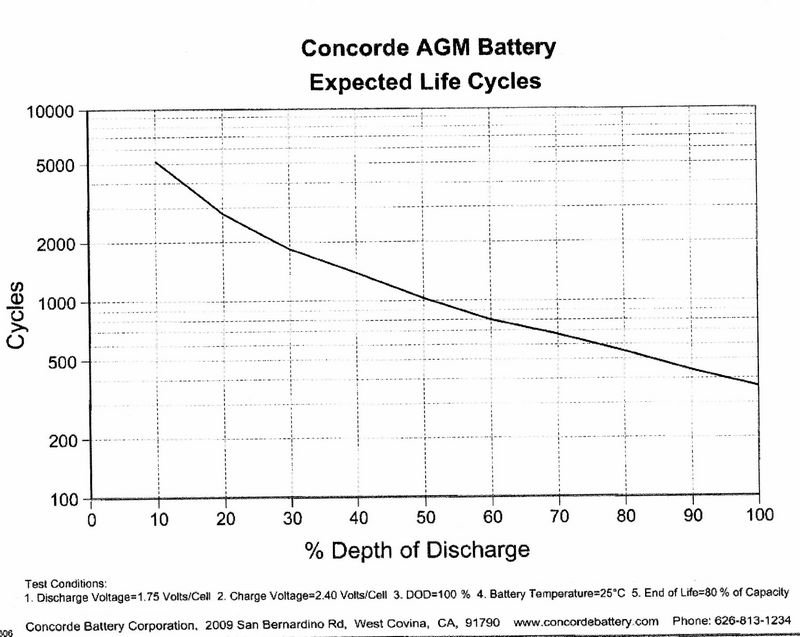
I agree with you in general and range is a problem, but the issue with battery life and cycling is often not considered clearly. I occasionally go lake sailing where fuel powered engines are banned. With respect to range/amp draw/speed I recently did some actual tests with ammeter and gps with my 30 pound thrust electric motor. Amp draw going up the 5 speeds was 7/9/13/15/28 and speed in knots was 1.6/1.8/2.3/2.5/3.3. Range (assuming 33 amp hours) varied from 7.4 miles down to 4 which is enough for me. So how big a battery? Shelf life unused for an AGM battery is about 5 years. I go to the lake 3-4 times a year. So all I need is 20 cycles (4 by 5). From the Lifeline batteries technical manual 50% discharge allows a thousand cycles and complete 100% discharge allows about 400 cycles. This would allow 80 trips to the lake a year at full discharge and last 5 years- the shelf life of the battery. I'm happy to have a smaller battery and fully discharge it for the number of times I use it.
-
Hi Brian I built a CS17 without the kit. I recorded the build hours over the 3 years I took to build it and it came to 467 hours. This was mainly in 1-2 hour segments, so not as efficient as being able to work in larger chunks. A kit would certainly reduce this figure...perhaps 20-25%? HTH Peter HK
-
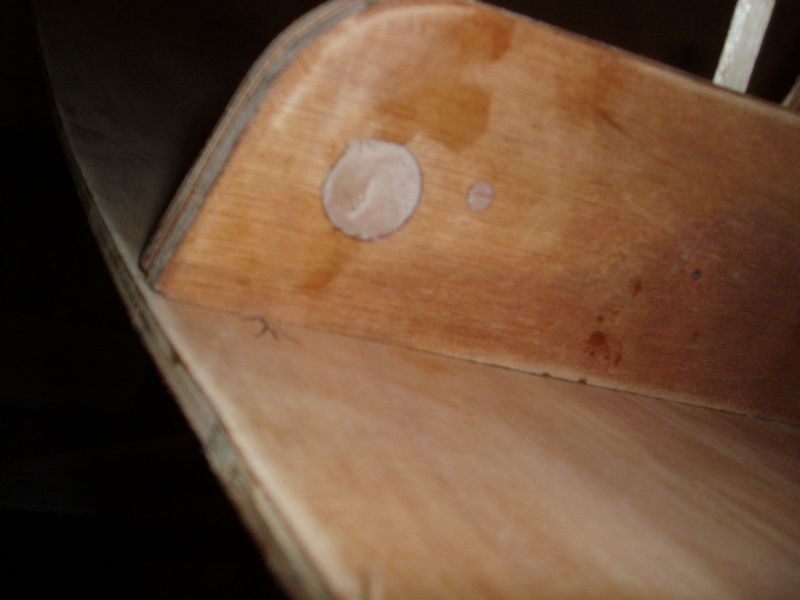
Thanks Guys Here's a blurry photo of the bushings... to be drilled once everything is glassed.

-
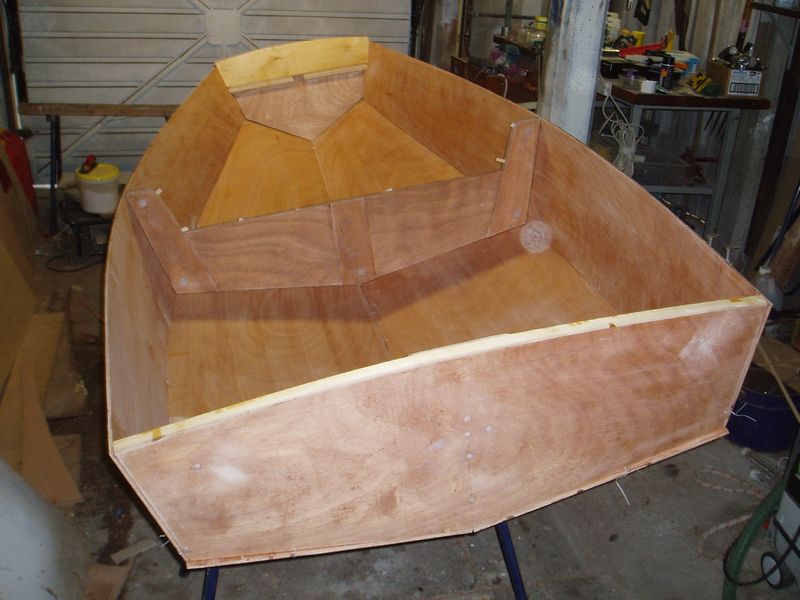
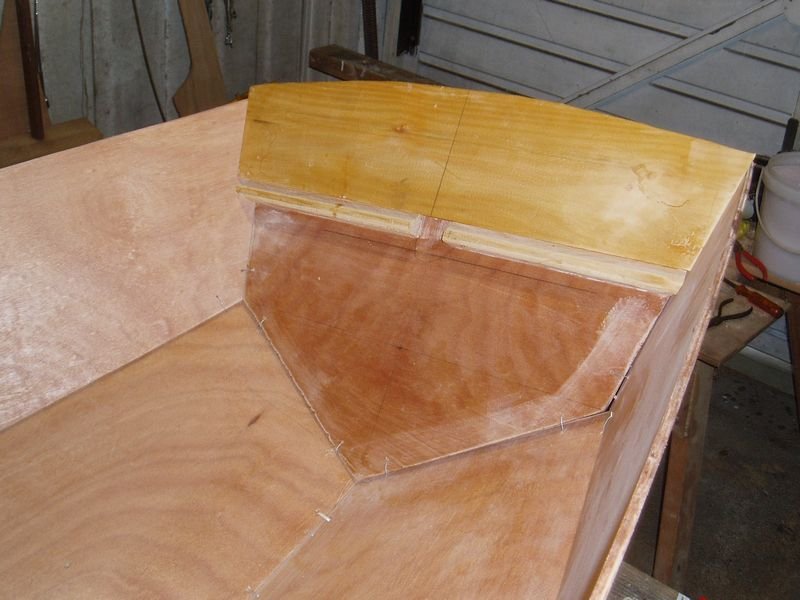
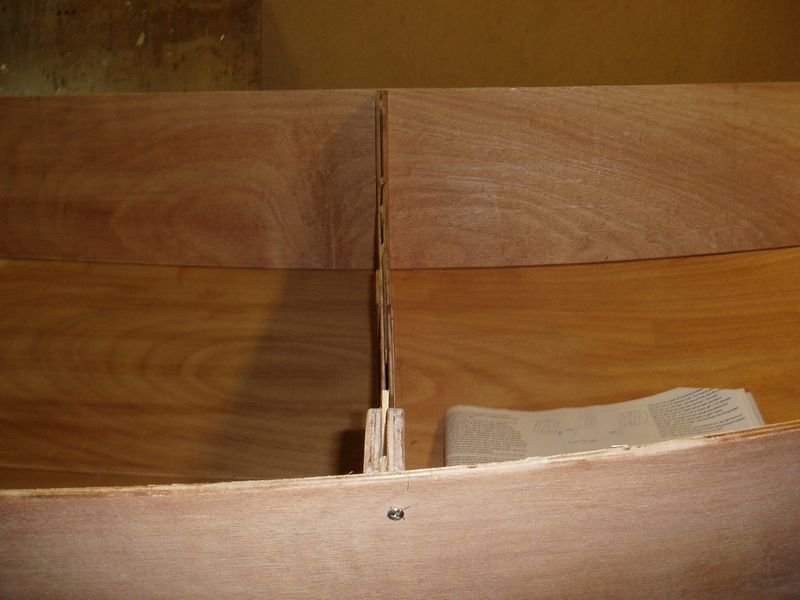
Went 3D with the new build today. I'm planning ahead and building the tender for a larger boat that I intend to get in a few years when I cut back on work :grin: The way my investments are at the moment it might be a little longer than anticipated


-
You won't be able to crawl into the hull until the seams are all taped and bulkheads are taped in as the wire ties will separate. I manged to lean far enough over the gunwale to reach the centre seam. At times I used a small step to assist. From memory some others on the forum (obviously with shorter arms) described how they suspended a platform from the shed ceiling to lie on to do this. My forward bulkhead was never "temporary"...just made one and glued/taped it in. Cheers Peter HK
-
Dave Pics look good. I'm personally not usually fond of red (or yellow :puke_left:) as a boat colour scheme but I have to say it looks good. The finish looks very nice. That's a pretty quick build. I think you made the right choice with sail tracks, especially with the local weather patterns, but others will still disagree. Where in Moreton Bay did you launch? I'm wondering about the name (which sometimes has some negative connotations) and if there's a story? Cheers Peter HK
-
Hi Dave Great to hear about the launch. With another boat on Moreton Bay there is now the possibility of a race The photos don't seem to have made it. Cheers Peter HK
-
I certainly haven't noticed any problem with tracking when the board and rudder are up when sailing into shore or when motoring. The bigger the skeg the less the manoeuvrability, so it's a 2 edged sword. I'd rely on the designer who has sailed this boat a lot. Cheers Peter HK
-
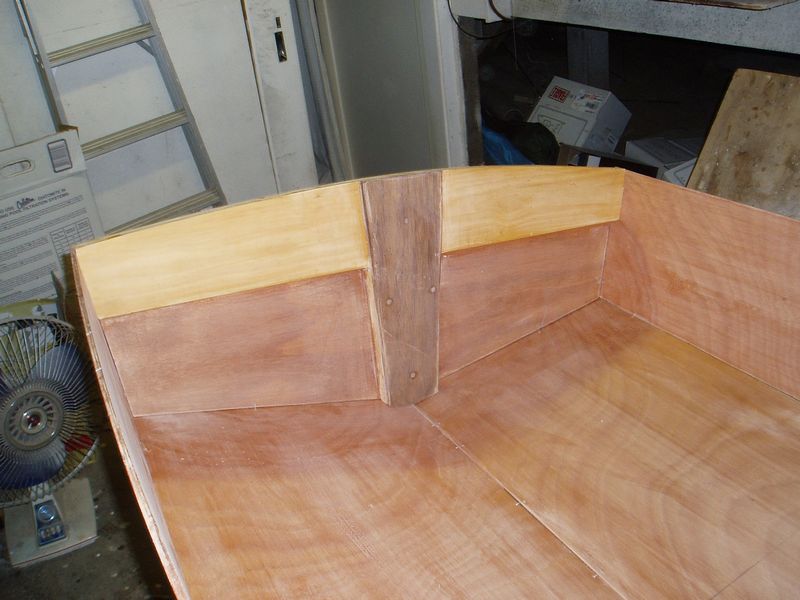
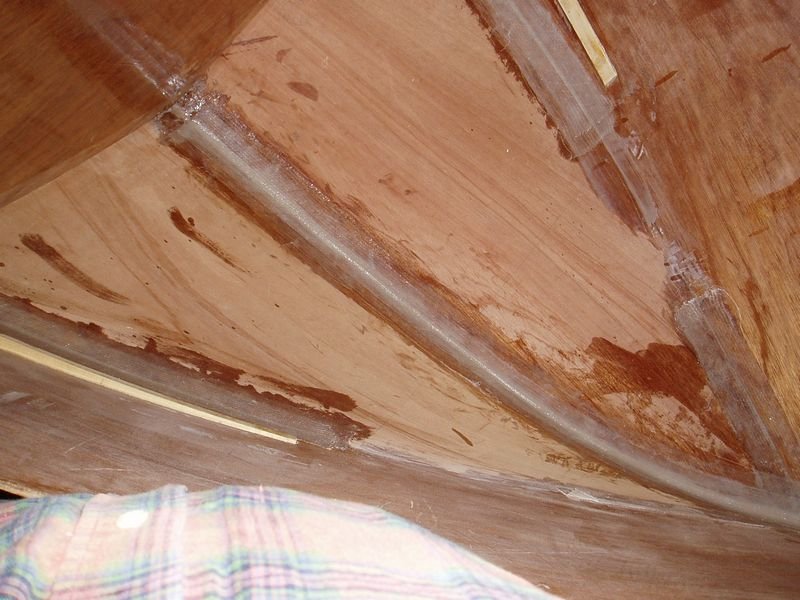
I also wonder about a "temporary bulkhead"...mine was glued in. Here's a photo of the glassing of the seams in the bow area, especially the centre seam- they just went up to the bulkhead which is going to be glued in with a fillet and tape. BTW in this photo the chine tapes are only done halfway- this is because I had a slight alignment problem at the bow with the taped join for the butterfly so had to redo this area, so just ignore that.
-
It has three 1.5 inch square skids full length along the bottom. Cheers Peter HK
-
Not sure if this helps but it would probably be stable enough and you could put an outboard on it and use it for fun in other places as well. http://www.instantboats.com/skimmer.htm My brother built a modified one for a quick & dirty boat building comp...with a 3.5hp outboard he estimated he was doing 15 knots :grin: Cheers Peter HK
-

CS 15 / 17 suitability, capsize, reefing, masts
Peter HK replied to Dig's topic in B & B Yachts Forum
Hi Dig I have a CS17 and it's very stable, so sailed conservatively with reefable sails capsize is very unlikely. However I'm a physician and thus keenly aware of the concept of risk, so I have posted on capsize tests and efficient reefing systems because to me that seems sensible. http://www.messing-about.com/forums/index.php?topic=7577.0 http://www.messing-about.com/forums/index.php?topic=7108.0 Remember the old adage- if you prepare for the worst it's unlikely to happen :grin: As for masts the plans include solid and bird's mouth wooden masts as options and many have done so. Cheers Peter HK -
Your brother must be much like mine- if there's something on a boat to break he'll find it. He's even proud of it. Ever since he was shipwrecked on a voyage to New Zealand in 1971 when he had to swim the last 2 miles his byline is "I've wrecked bigger boats than this" :shock: Brief summary of the ill fated voyage here http://www.donhammondimage.co.nz/SHIPWRECK-Pages/ENDEAVOURII.htm Cheers Peter HK
-
Hatch covers (Lapwing and CS)
Peter HK replied to Richard Whitney CS#70's topic in B & B Yachts Forum
I didn't have plans for the hatch detail included when I ordered my CS17 plans but the CD included many photos and I had seen these sort of hatches done before...usually on much larger boats. I tended to take Tom's approach. Instead of hot melt glue I used tooth picks and small brass screws and weights on the work surface to hold everything together and in alignment and didn't worry too much about exact right angles figuring it would all be flexible enough to bend a couple of degrees.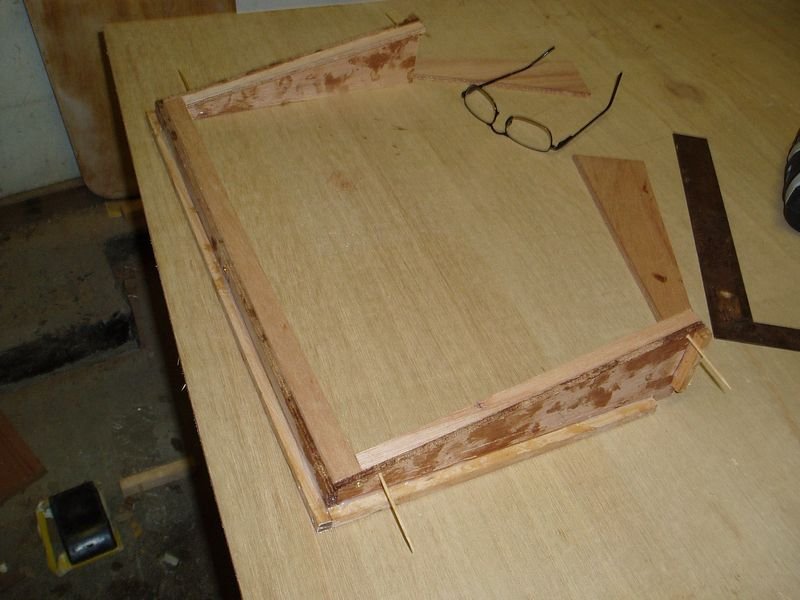
-
Compared to this a cat ketch spindrift wouldn't be a challenge :grin: Cheers Peter HK
-
CS17 centerboard removal & replacement
Peter HK replied to Randy Jones's topic in B & B Yachts Forum
Shouldn't be hard if built to plan. Undo a few screws, prise off the ply caps, knock out the pin and remove the board (after removing lines etc). The only problem might be the bedding compound...if you didn't build it, you won't know if someone used a tough compound like 5200 or something more sensible like sikaflex. Even with a difficult bedding substance the worst situation is having to repair the doublers and redo the caps- a pretty trivial job. Depending on what you need to repair on the board it might be worthwhile lifting the boat somehow (eg with a couple of blocks and tackle) and letting down the board to repair in situ. Cheers Peter HK -
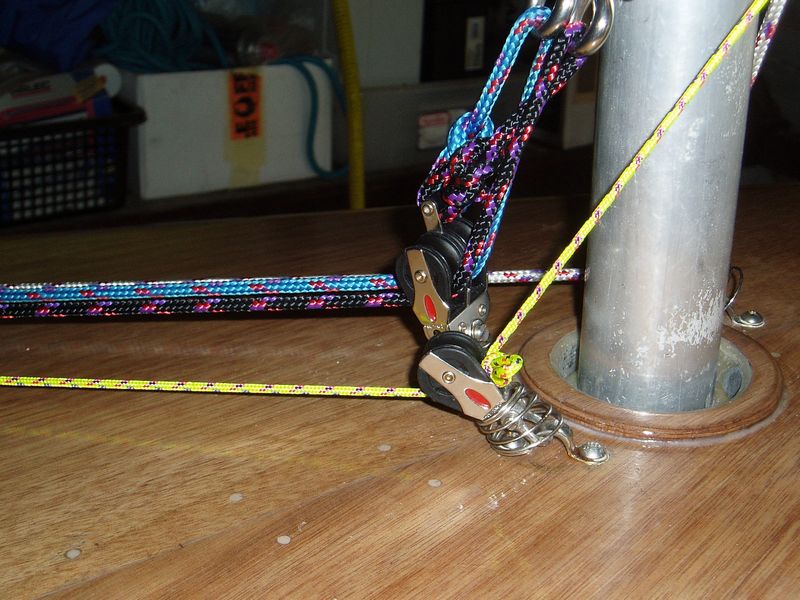
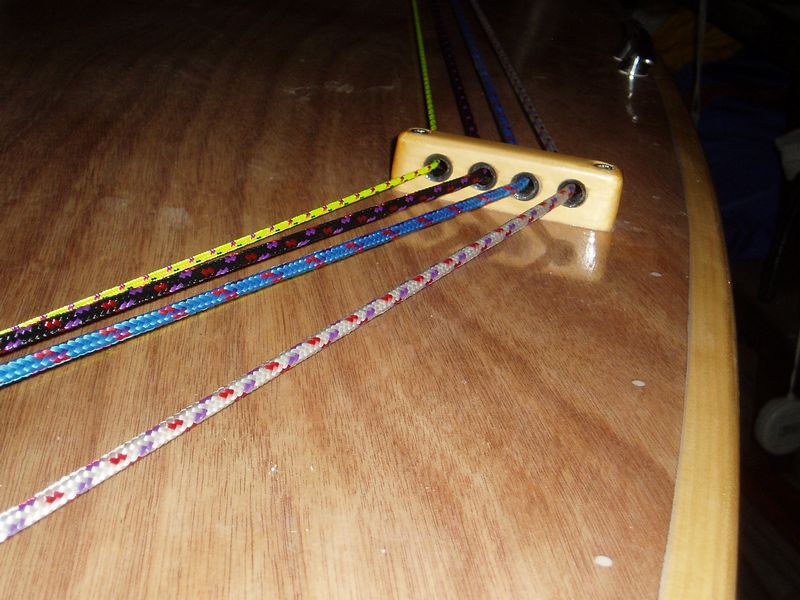
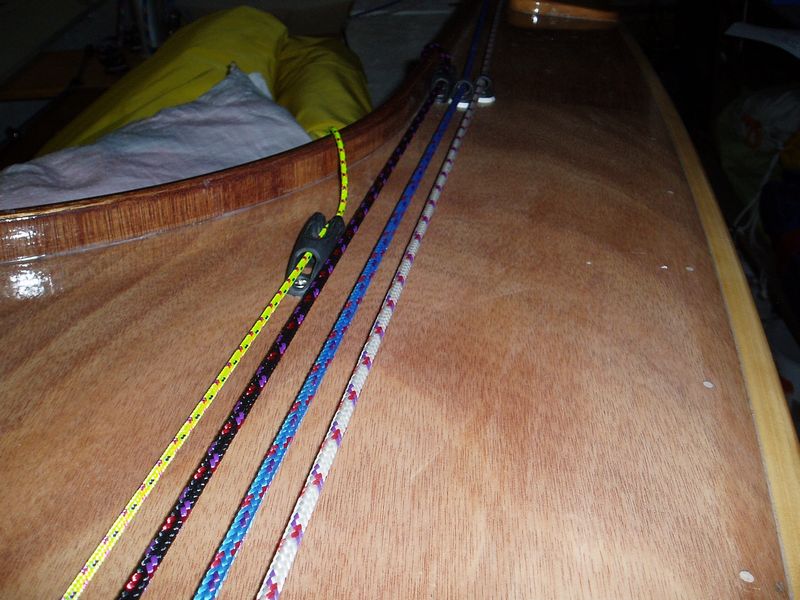
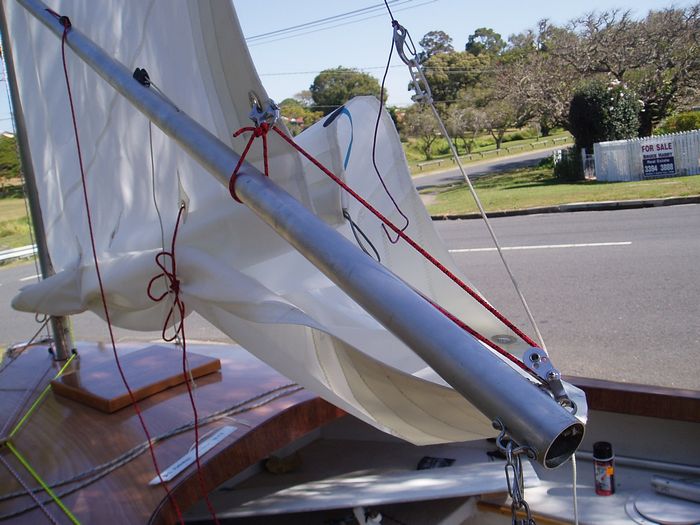
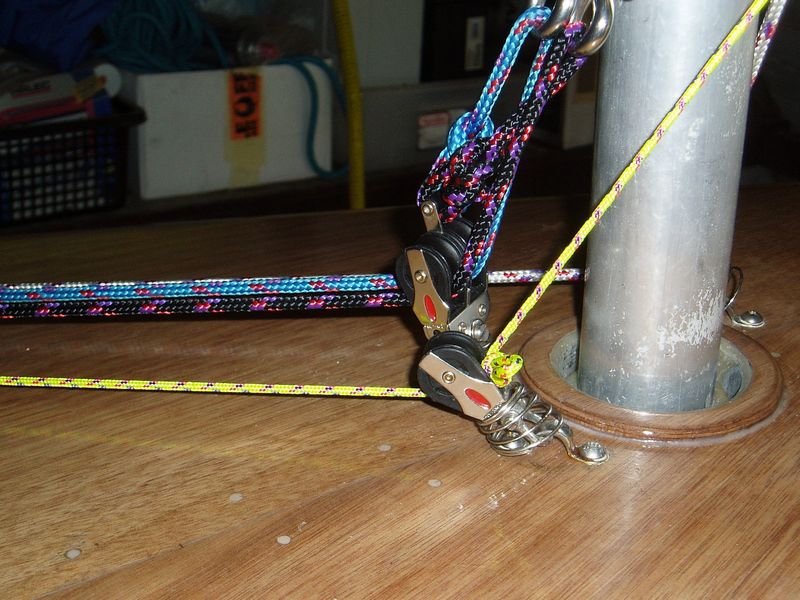
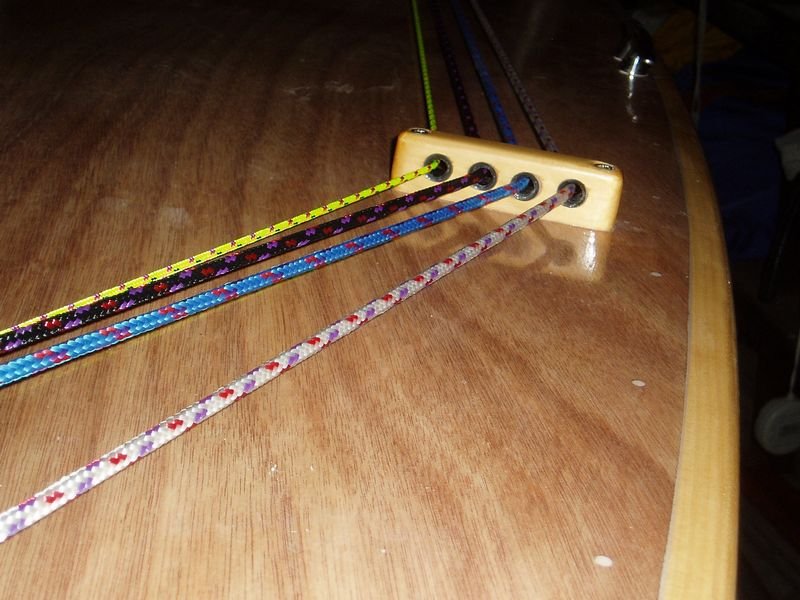
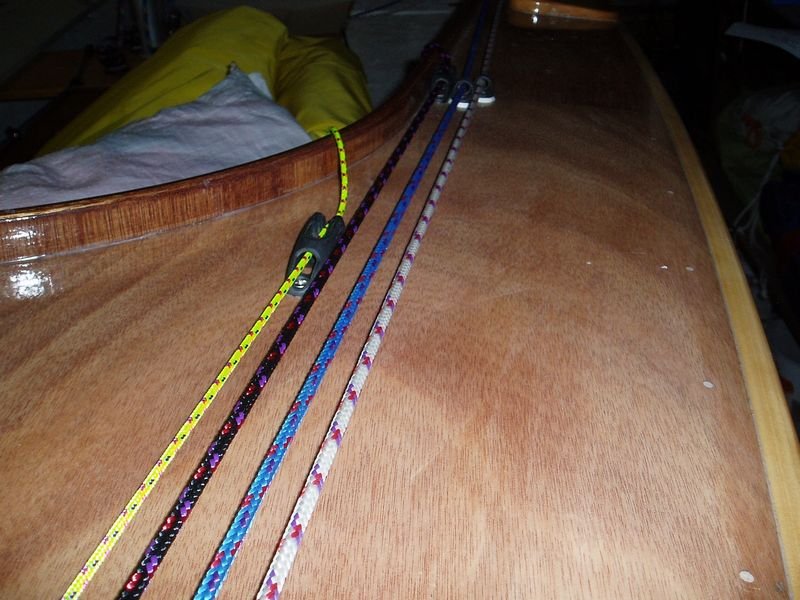
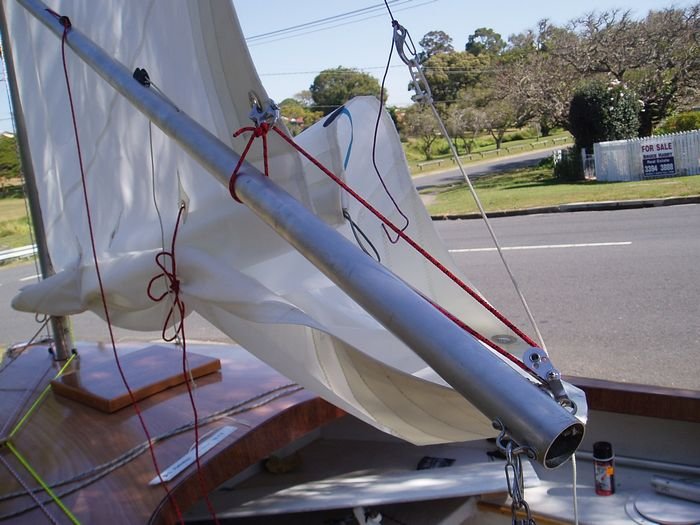
Basically I rig it every time. The reefing tackline just involves hooking the stainless hook into the reef point when you are also hooking in the tack downhaul- only takes a second more. These lines are permanently run through the blocks and cleats. The reefing line at the clew is likewise always rigged on the boom and so just needs to be clipped onto the sails at the first reef- again only seconds. I use a snap hook on the topping lifts also for speed in rigging/ unrigging. The reefing system as a whole wouldn't add 30 seconds to rigging time. What does make a difference is unfolding sails/putting the slugs into the tracks/ fitting the top full length batten...probably adds 5 minutes compared to rolling battenless sails around the mast. I am planning to try removing battens (I have quick release pockets) and rolling the sails and see if that is quicker. Cheers Peter HK
-
Well I certainly will give it a try. Firstly, I wasn
-
Over the years on the forum there has been a lot of discussion about ways to reef
-
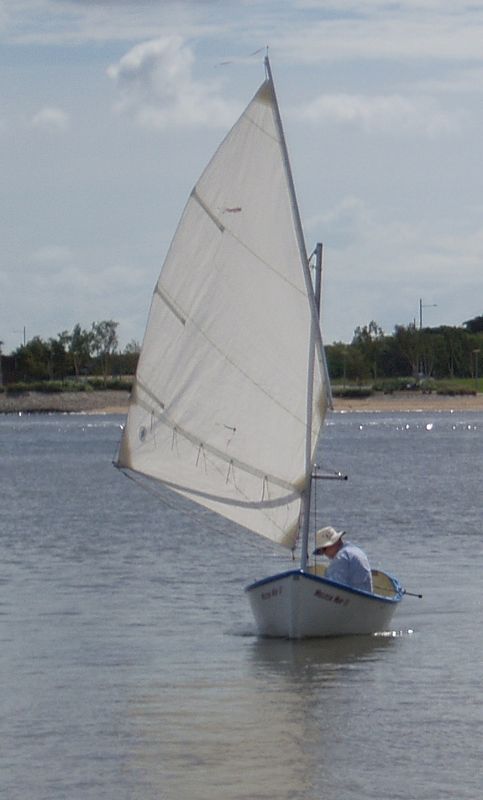
Hi Jon Not quite a Spindrift, but I have a Welsford Golden Bay dinghy shortened a little to 11 ft 4 in and it has a standing lug with spritboom.