Leaderboard


Popular Content
Showing content with the highest reputation since 08/23/2026 in Posts
-
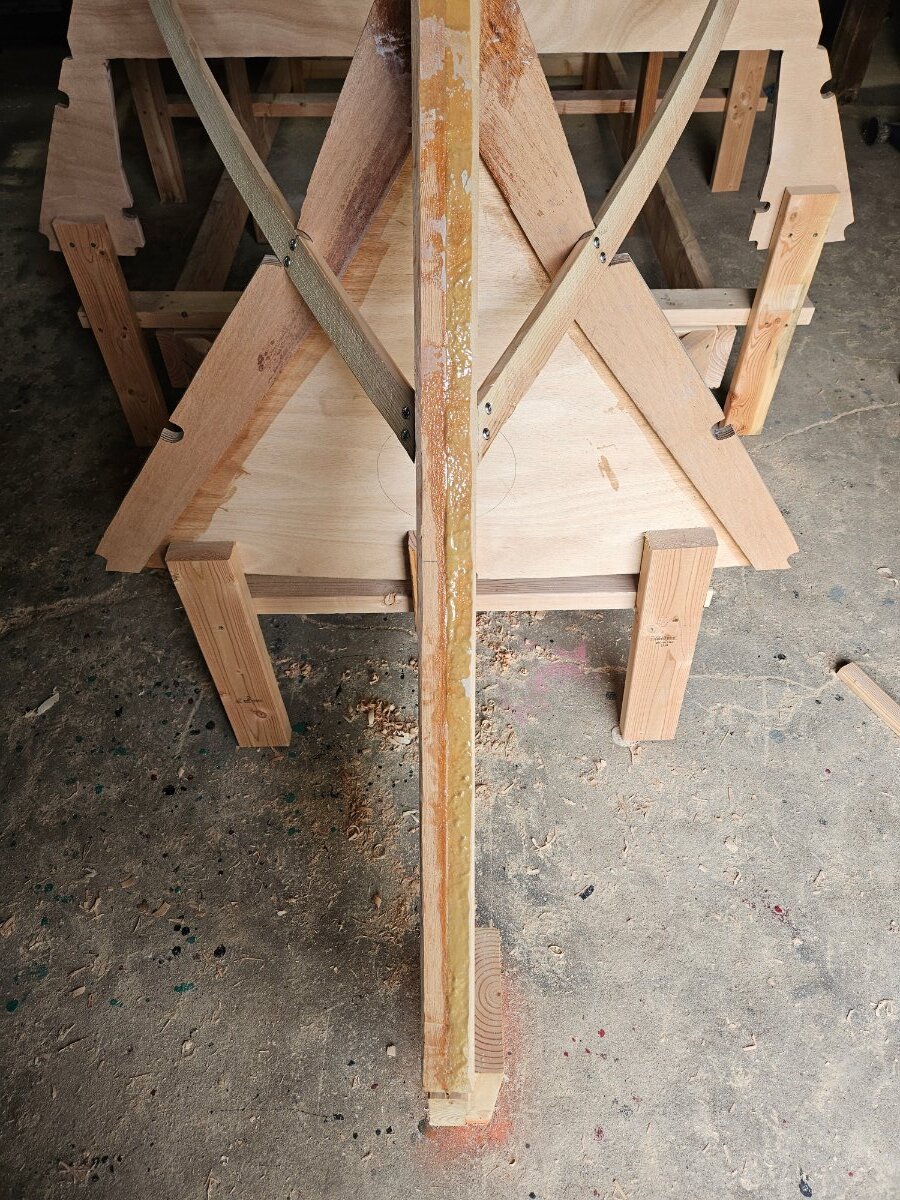
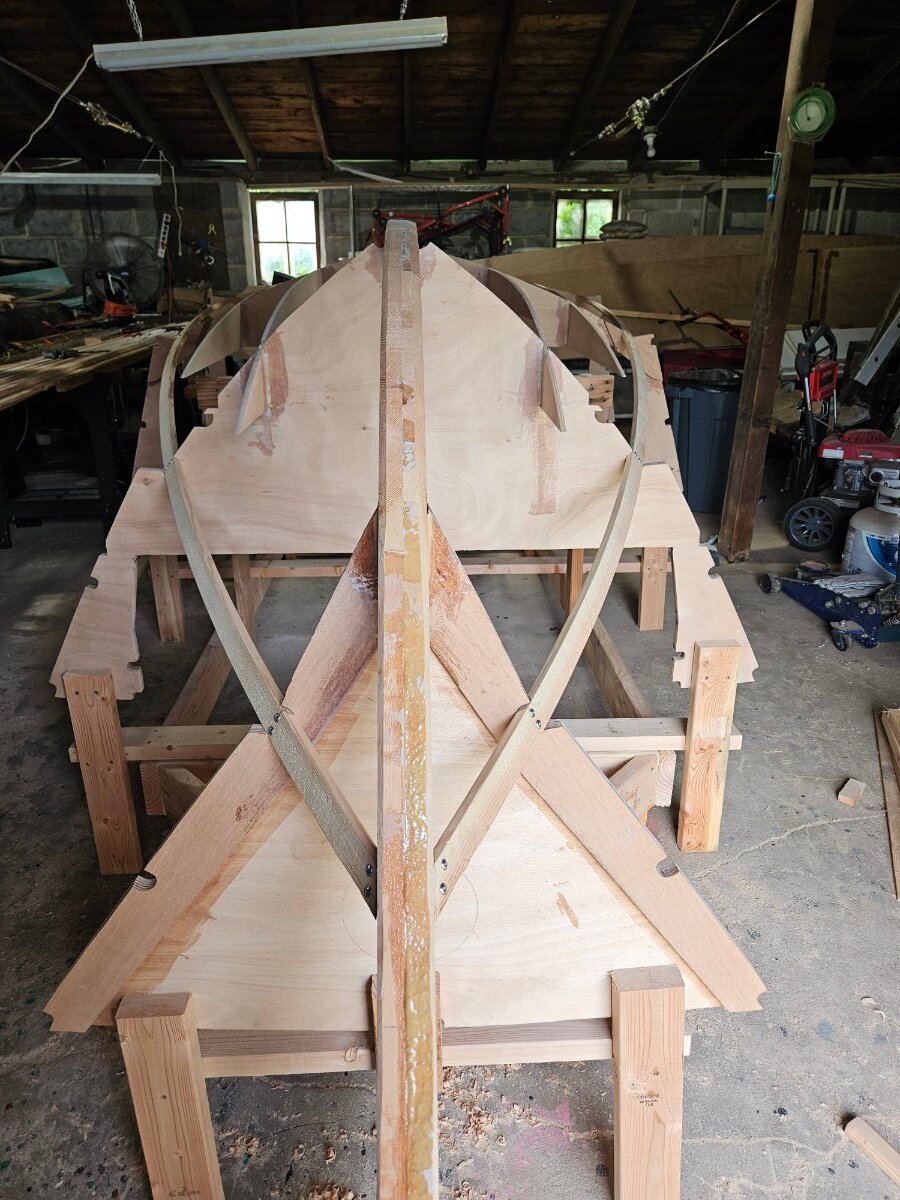
No real progress to report other than ripping and scarfing a bunch of strips. As of tonight, I have 6 20' strips and 2 12' strips all at 1.5" x .75" which I will process to the chine and side stringer dimensions. I may attempt to keep the inwales at .75" but we'll see after they all cure for a week. Epoxying all those strips was a challenge but it went pretty well. The only real troubleI had was the limited space to do that in so I got creative with my workstation which was far from level so a lot of shims were used. Hopefully by this time next week, I'll have something photo worthy to show, we'll see how it goes.2 points
-
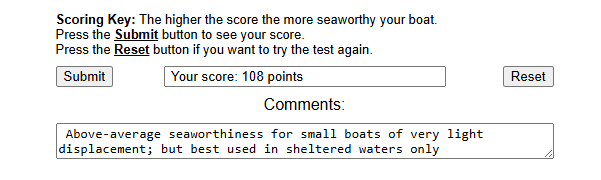
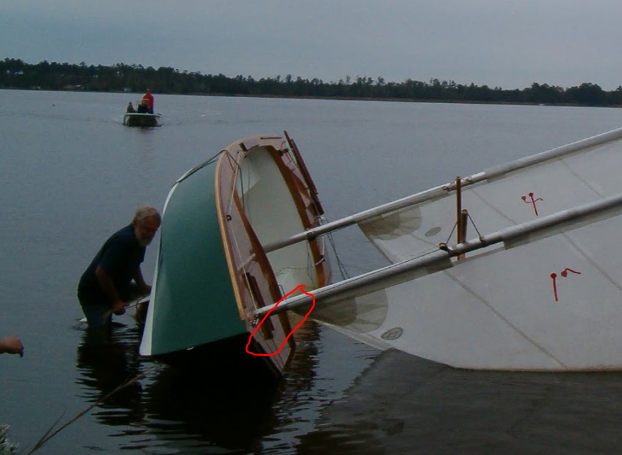
I graded the CS-20 as my father and I sailed it say in the EC. I got a 108CS-20 grading.pdf Here is what i chose. Some things mattered not I thought like to me seaworthiness has nothing to do with whether or not the boat has a motor. I think of seaworthiness as the boats ability to get you home when the conditions really get tough. In higher winds sailing in my experience is more effective than motoring when it gets really rough. I said yes to all the safety gear. "beachability" i guess that speaks to whether you can beach it to prevent sinking? Also it's a 10 point swing if you consider yourself thoroughly skilled or somewhat skilled. I sandbagged and said somewhat just to see what that would result so had i not it would be 118 i guess. I think the score is fair for the boat. When we capsized our CS-20 in the North Carolina Challenge one year we just bailed it out with buckets before continuing. If you just capsized then you almost always have enough wind to sail plenty fast to empty the boat with the Anderson Bailer. You can just reach back and forth until it's empty if you like but I think it's much faster to heave her to, grab a bucket and bail for 2 minutes. There really isn't much water in the boat after you right her. As i recall the water was about an inch or 2 below the level of the bottom of the cockpit hatches so maybe 6" in the cockpit and that was with a fully loaded boat. Here is a link to some pictures of Graham's old CS-17 capsize testing in the river in calm conditions. https://photos.app.goo.gl/mKZeb53jJwYEK8bcA you can see how little water was left which is by design. Note also the very high down flooding angle which is thanks to having side decks combined with the cockpit seat flotation. Though the boat is taking on water here it only took on a small amount circled in red. An open boat (without cockpit seating) would just completely swamp at this point. Most potential capsizes can be prevented before even getting to this point by simply dumping the mainsheet. The mainsheet is what you want to immediately dump if you feel like you just got hit with a gust you're not going to be able to recover from. The boat will round hard into the wind and almost always recover even if you slip and slide down into the cockpit. Usually in fact it's better if you just let go of the tiller. In our NCC capsize i mentioned earlier this is what caused our capsize. We were both hiking on the rail and a gust hit and i fumbled the mainsheet and didn't get it un cleated and over she went. I know i was hiking on the rail because i was able to just swing my leg over the side and was standing on the CB and never even got wet. Old muscle memory from NC State sailing club racing. Best thing you can do is capsize practice!
 2 points
 -
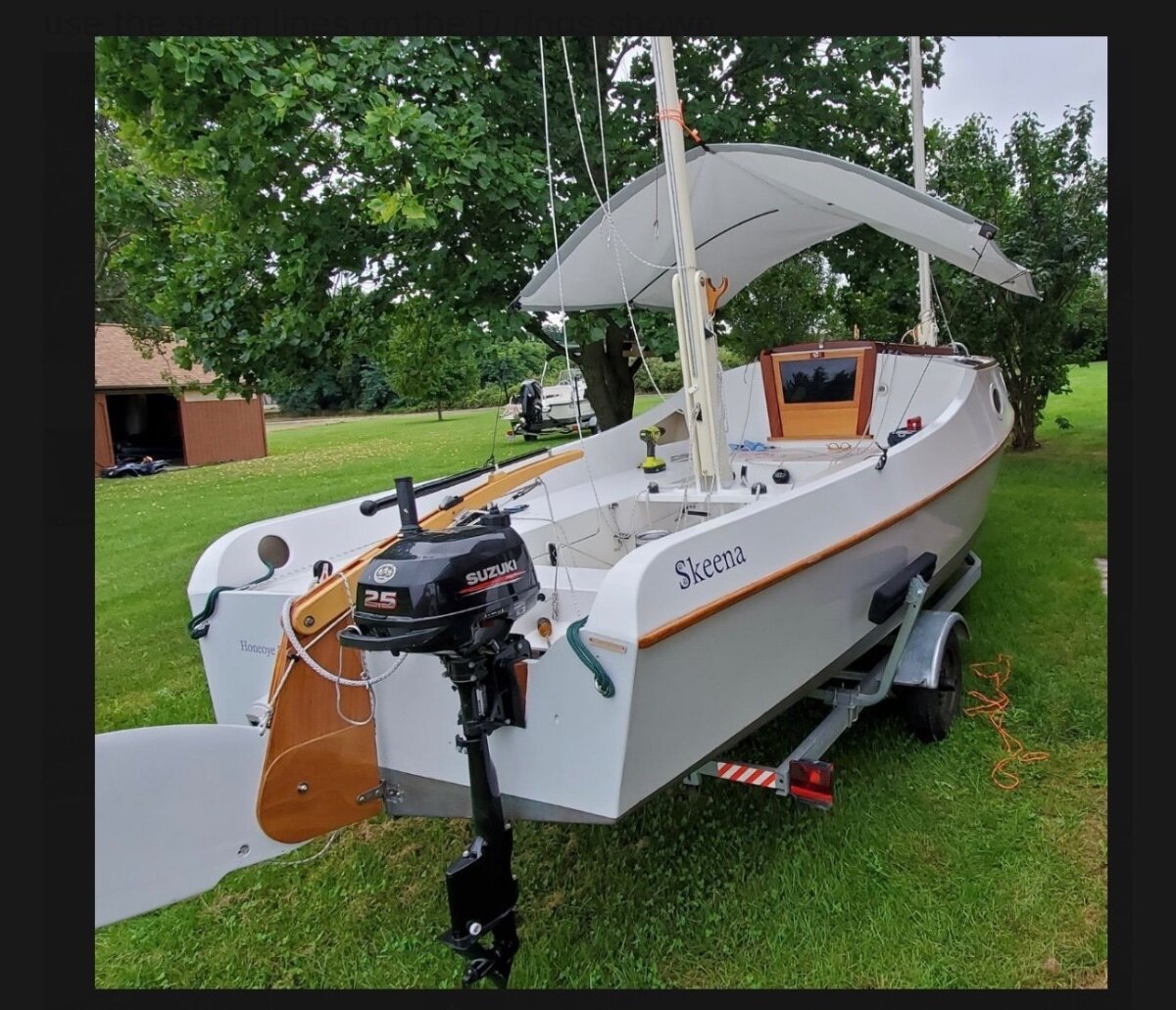
Up in Maine sailing with my daughter on Skeena. https://share.garmin.com/MG55M Password hugh2 points
-
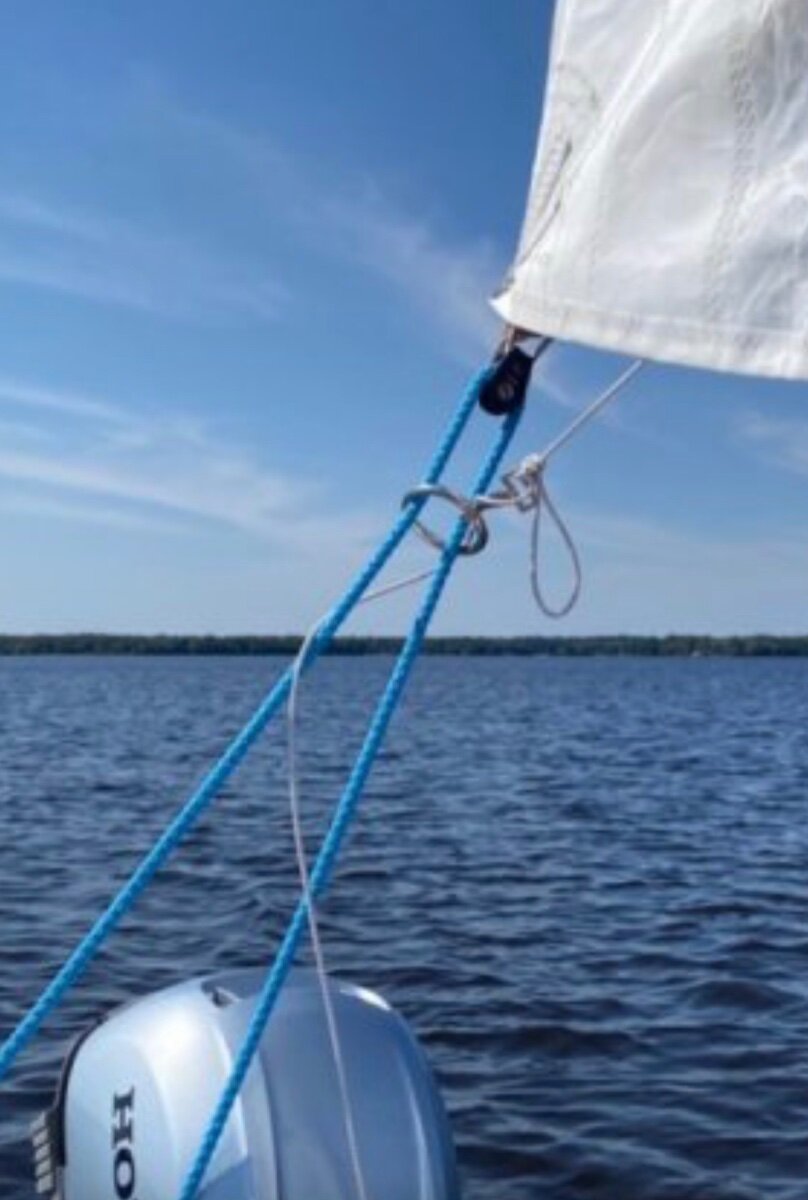
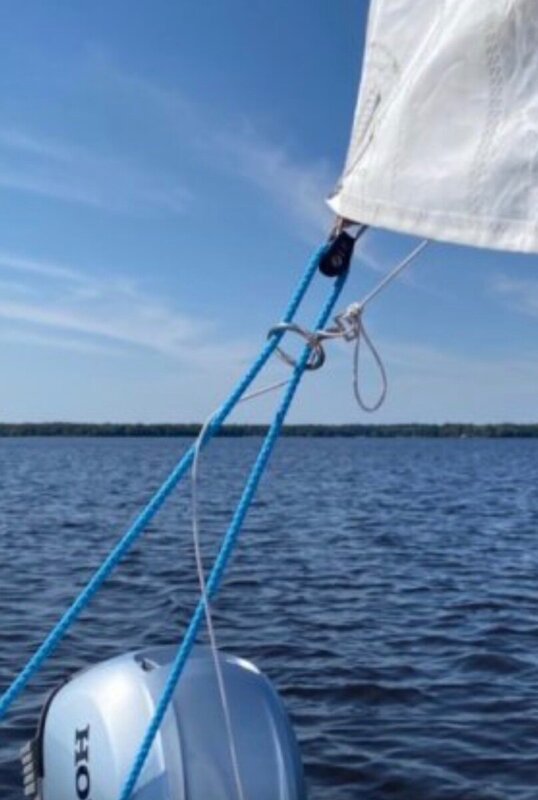
That’d likely be mine?? I found it helpful. This is a photo of my initial experiment with it… (the thin elastic cord is hanging down before I decided where to cut it.) When the mizzen sheets become slack in low wind or a tack the ring slides down and forward enough to help things from getting tangled in my motor.
 2 points
 -
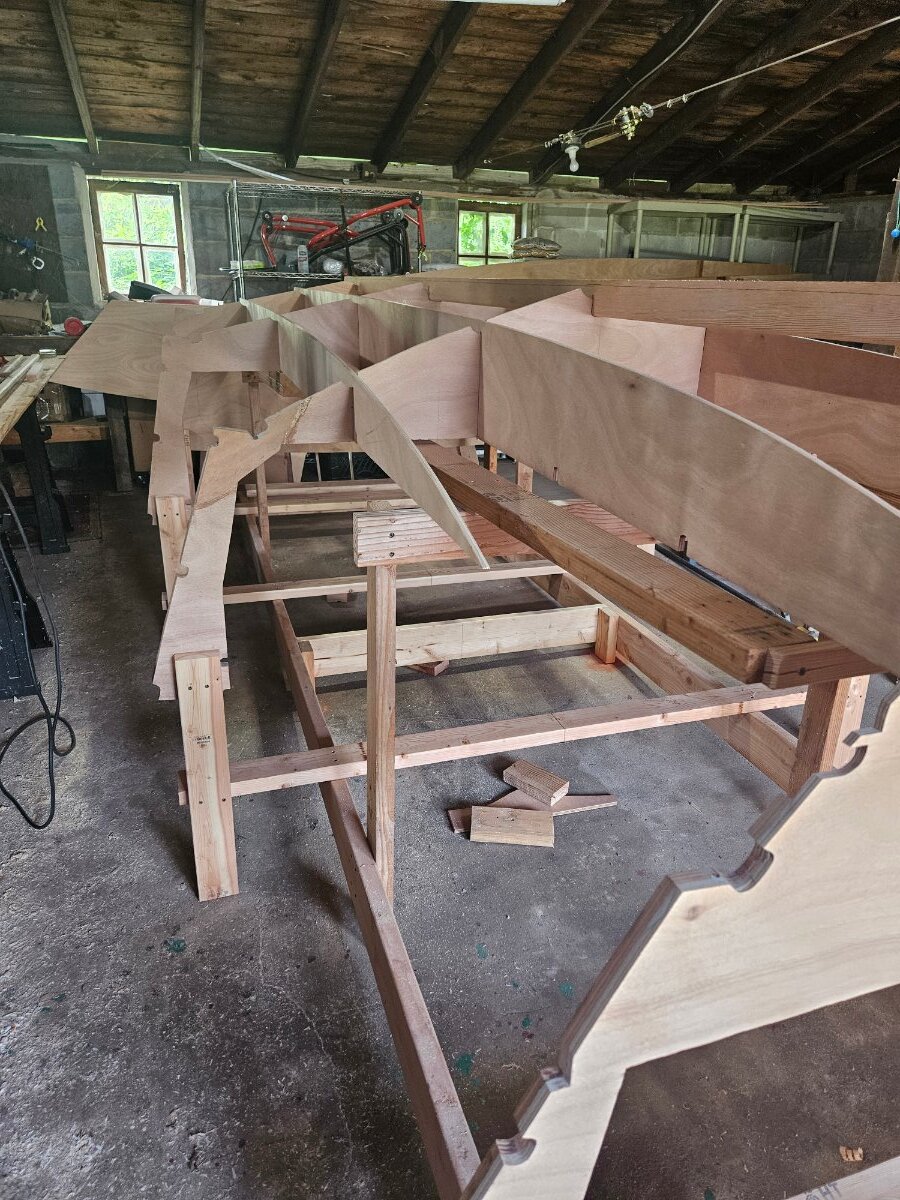
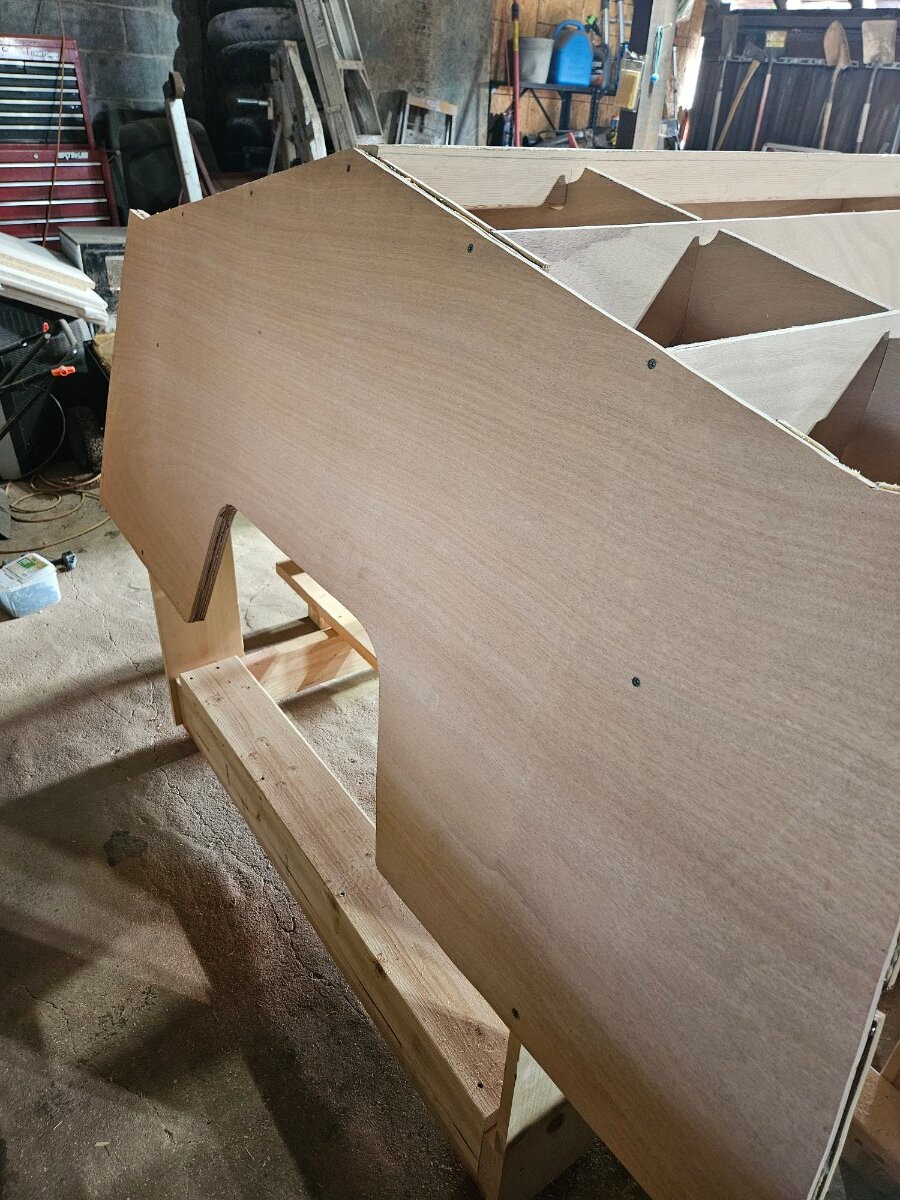
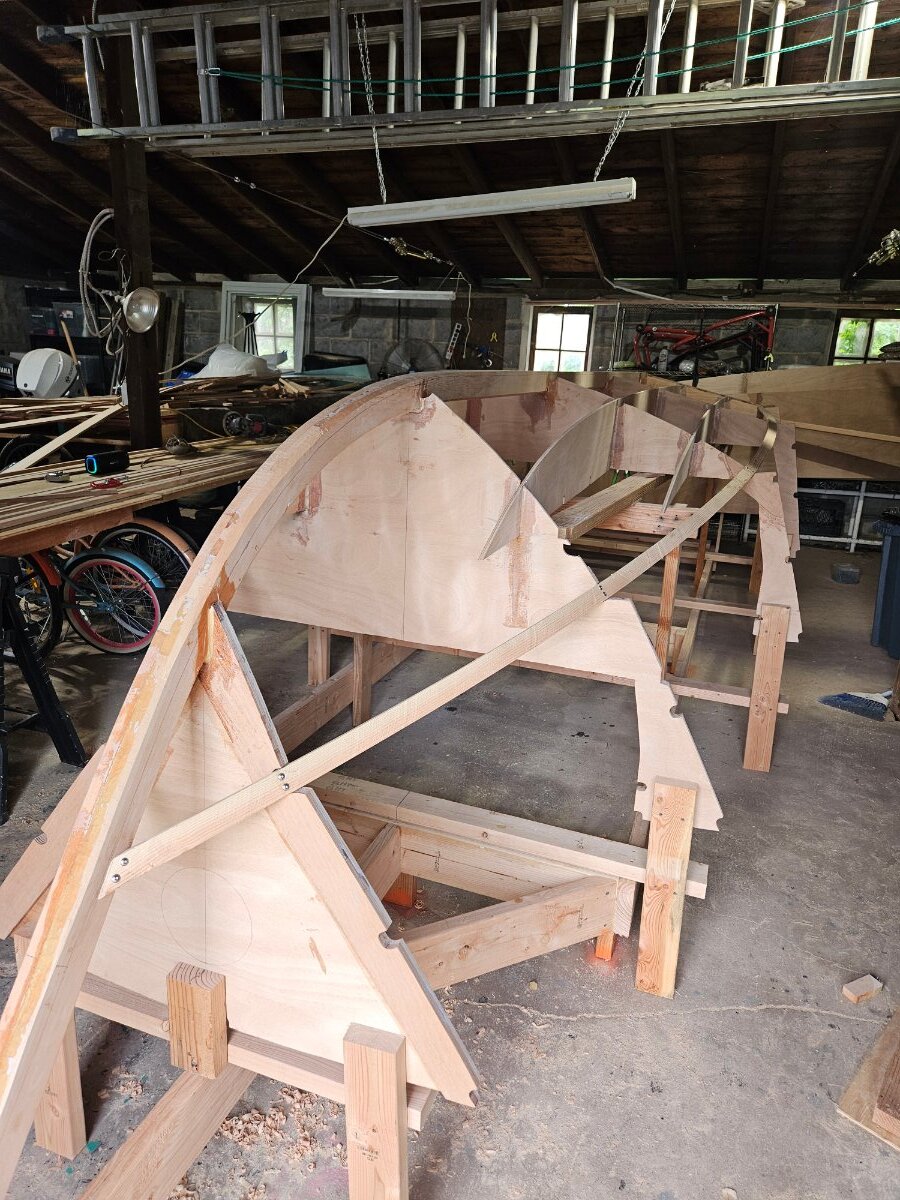
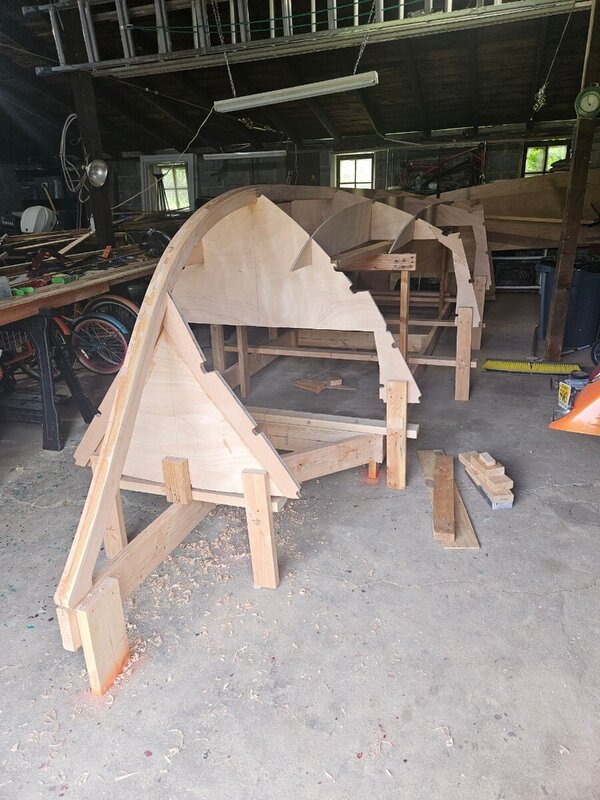
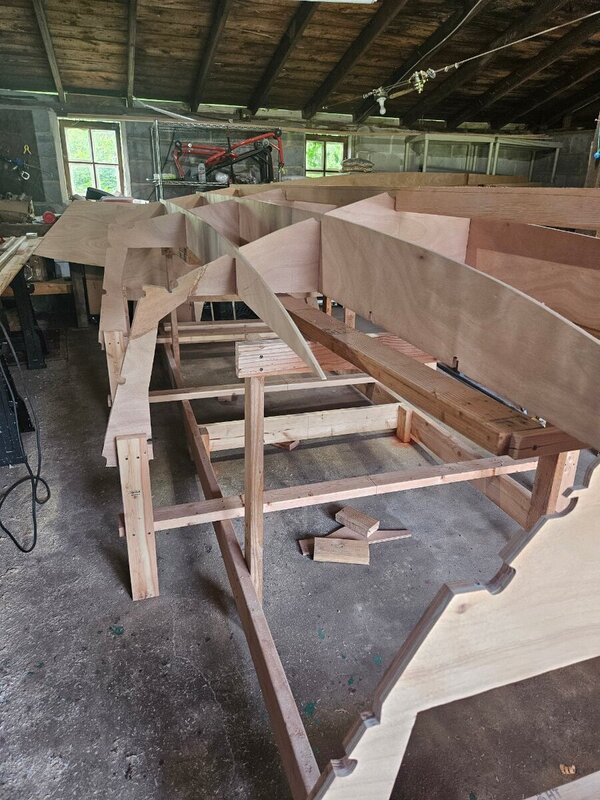
Thank you Frank for your tireless work on the forum, it is greatly appreciated! Bit of an update. The way I had things set on the strongback set things a touch too high for me (I'm short) so I lowered everything a bit so I could reach better. I got everything squared up and leveled and added some more support to the frames. I had some difficulties hanging the transom until I asked for tips and used some temporary screws. I got that fitted and glued, did some fillets on the fames and stringers, and fitted the chine battens. I will glue those on Thursday and start shaving down the keel. I didn't have any problems with those battens, even with using douglas fir. Maybe it was because I used 2x stock and the way I ripped them made them pretty much quartersawn. Or I just got lucky. Either way, I'll take it!

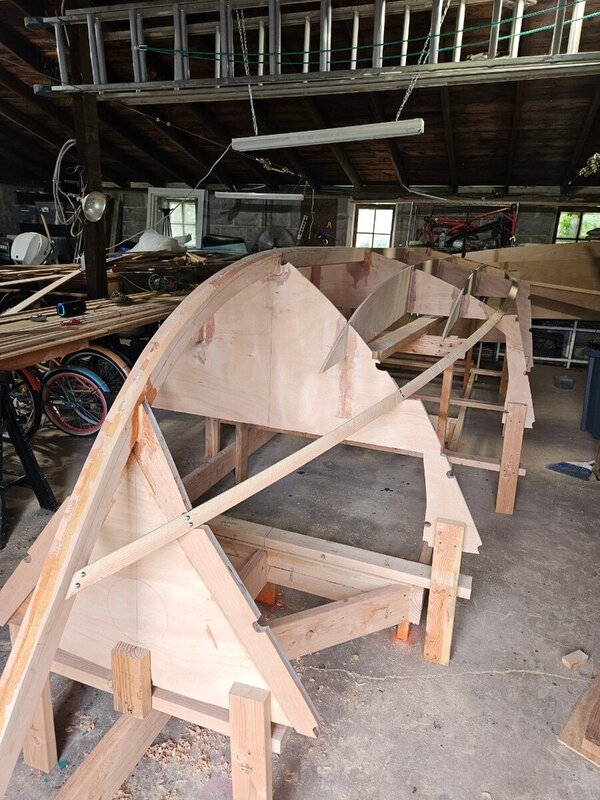
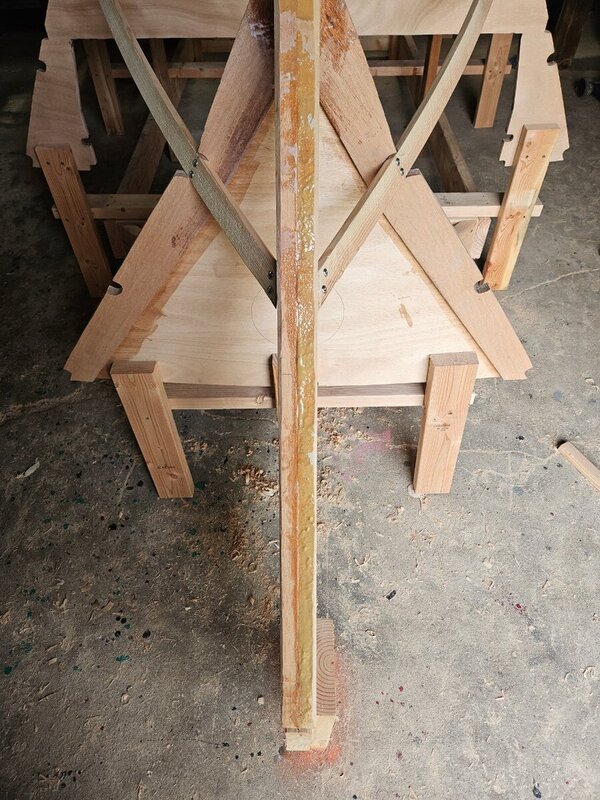
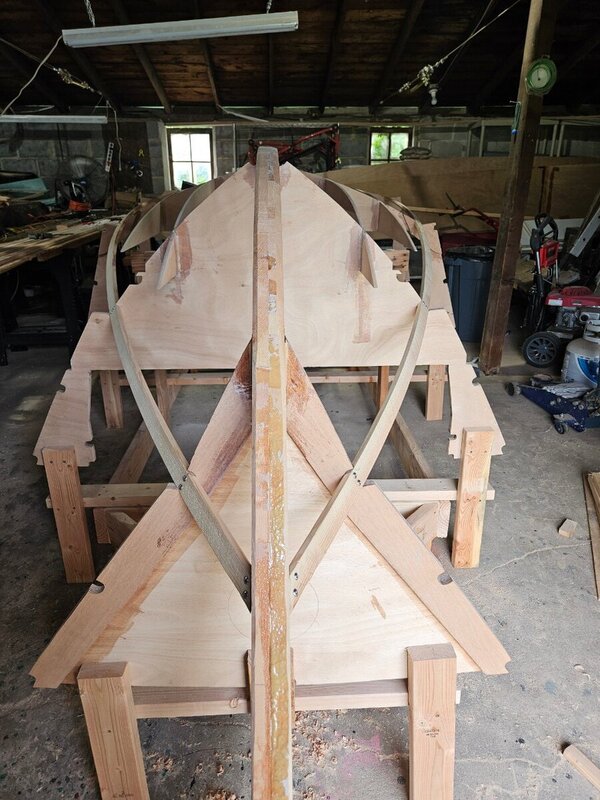 1 point
 -
Thanks, Andy. It's like baby sitting a three year old that is usually very good, but every now and then ... I think it's stable now. Fingers crossed.1 point
-
The software the forums use is "end of life" on Dec. 31, 2026, and to be honest, the company has been mainly ignoring it for the last couple of years. My "lifetime purchase" with semi-annual maintenance payments was back in 2011, turned out to be 15 years, 8 months and 12 days (not counting today). So I guess I can't be too mad at them. What irritates me is they marked the software as unlicensed with the latest update release, even though I have paid through the end of the year. Their goal is to get me to pay them more for the new version, $200 a year instead of the $110 I have been paying. Or go to their cloud hosted software at $149 a month. Yeah, not going to do that. Their support sucks. What happened: The "unlicensed software" issue caused the software to hammer a database, slowing down the VPS I lease to run the software on. The server company then "throttled" the databases, making the server less responsive. When it was responding slower than the software likes, the forums would go offline. And, during this time I was on a cruise with my wife in Alaska after a year being grounded by my doctors due to my head first exploding (hemorrhagic stroke, but caught in time) and then the management of that (pumping me full of clotting factor to keep my head from exploding more), causing a CVST (clot in the cerebral sinus veins in the head), which was also caught early. So no harm, no foul, and I was lucky and am mostly fully recovered. I am kicking everyone else off the VPS to eliminate resource competition and trying to get things stabilized. Because of health issues, I will be converting the forums and then handing off management to someone who can better maintain things. I don't want to get to the point where the forums are just simply abandoned, and I have probably another five good years of travel stuff we want to do. So there are things in the works to keep this place alive for the community.1 point
-
Thank you, Frank, for all your work here!1 point
-
After calming down from discovering my mistake, I went back out and looked things over again. I will have to cut the relief in the sole, it is bending the frame between the outboard stringer and the cutout since everything was cut correctly. That's why the frame isn't sitting right on the keel. I'm glad I looked it over again, it's an easy enough fix. At least I didn't start gluing up the framework, that could have made the corrections much more difficult. I have heard it said that the hallmark of a master craftsman is not avoiding mistakes, but knowing how to skillfully fix or conceal them. I sure ain't no master but I'm really good at fixing my screw ups and making them look pretty in the end.1 point
-
Dave, it's true. I sail with a lot of other boats who are often "dragging a#$". Skeena is big enough I only need to get to the mizzen, and I pack gear to compensate when I have crew. I do have a bubble level on the thwart just to be sure. The problem I try to address is side to side trim. My constantly evolving data says keeping Skeena sailing on one of the flat panels slightly healed is fastest in light conditions. I think it's probably due to keeping the sails full and driving, and sometimes I find being on the leward side is too much heal and on the windward not enough.1 point
-
Skeena is 7 years from launch and is holding up very well. I coated the entire top, including the comings with 4 oz cloth. It's super easy to work with and I would definately do it again. And of course it strengthens the joints. I also added glass to the seat tops. Impacts from the sprits and general banging of my paddleboard paddle, dropped coffee cups, and other dumb stuff has confirmed the decision. I don't think it addds much weight. I backed into a mailbox by accident while the boat was on the trailer, which would have surely broke into the plywood of an un-glassed cabin. The glass helped spread the impact and while it got a good scuff and needs a touch up, away I went on my trip last fall when it happened.1 point
-
Definitely makes good sense on high exposure areas like exposed outside corners, cockpit coaming edges, console edges. I did some of that on my sailboat like the corners of the seat tops.1 point
-
After sheeting out the sails and righting the boat after a capsize, the sails may not be in "heaved-to" configuration and the boat may be trying to sail forward. It is good to know that that situation may make climbing the ladder difficult, as you observed. -- With the ladder in hand but with the tiller and sheets still out of reach, was pushing/pulling the rudder blade an option to turn the boat more into the wind? Similarly, if the mizzen sheet was within reach, sheeting it in could help turn into the wind and slow the boat. -- I imagine if you just happened to have a drogue (parachute/basket/bucket) on a 10' line neatly folded and mounted on the transom for emergency use, deploying that would slow the boat.1 point
-
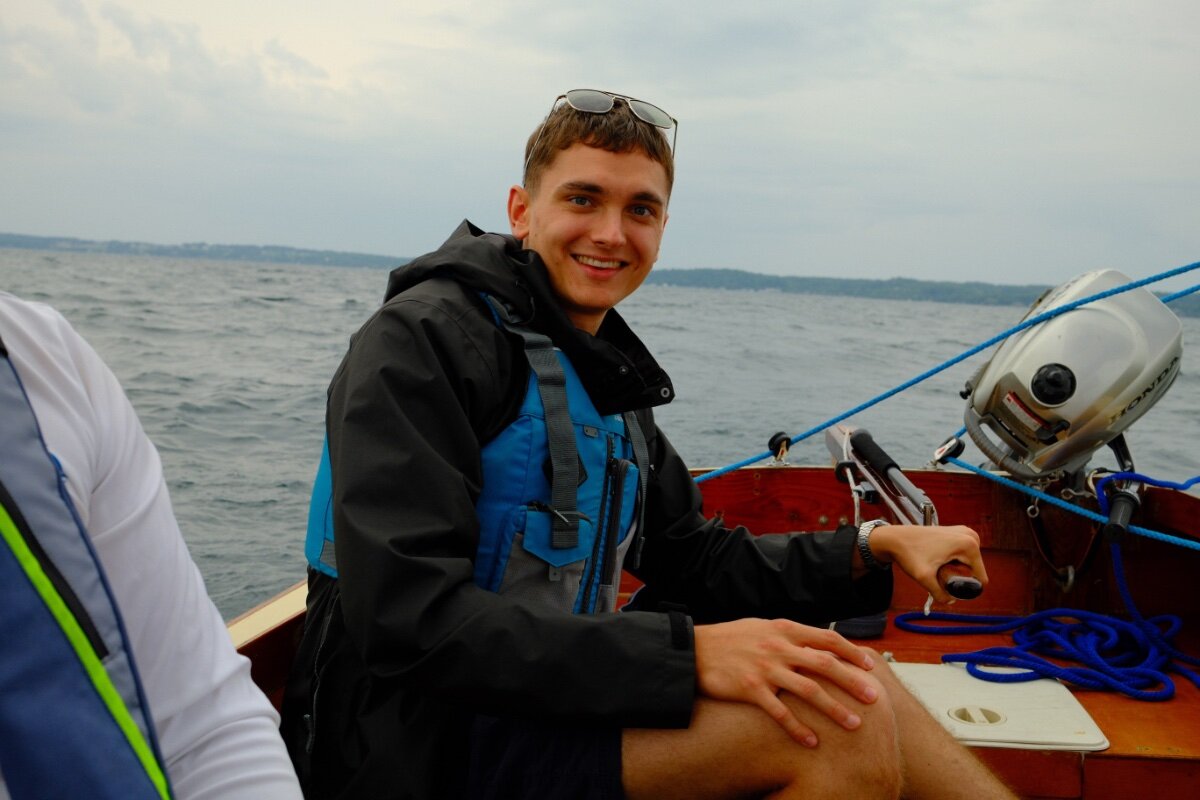
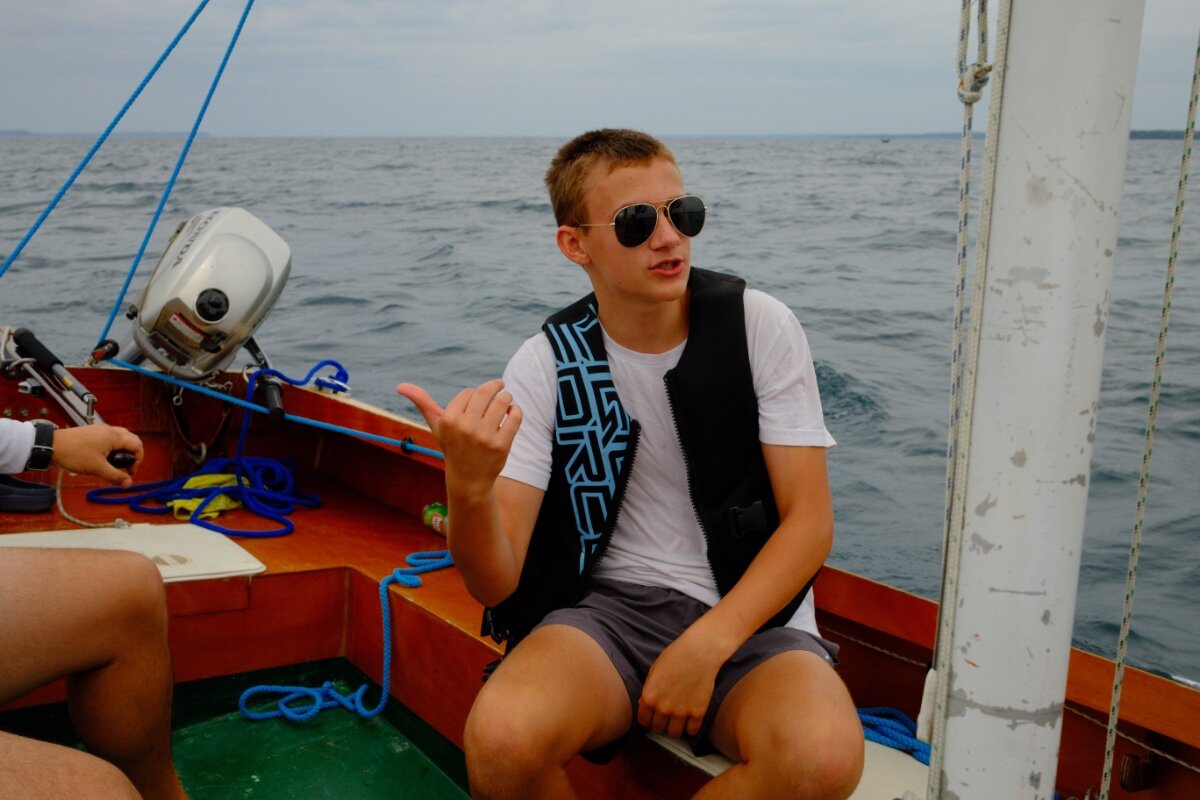
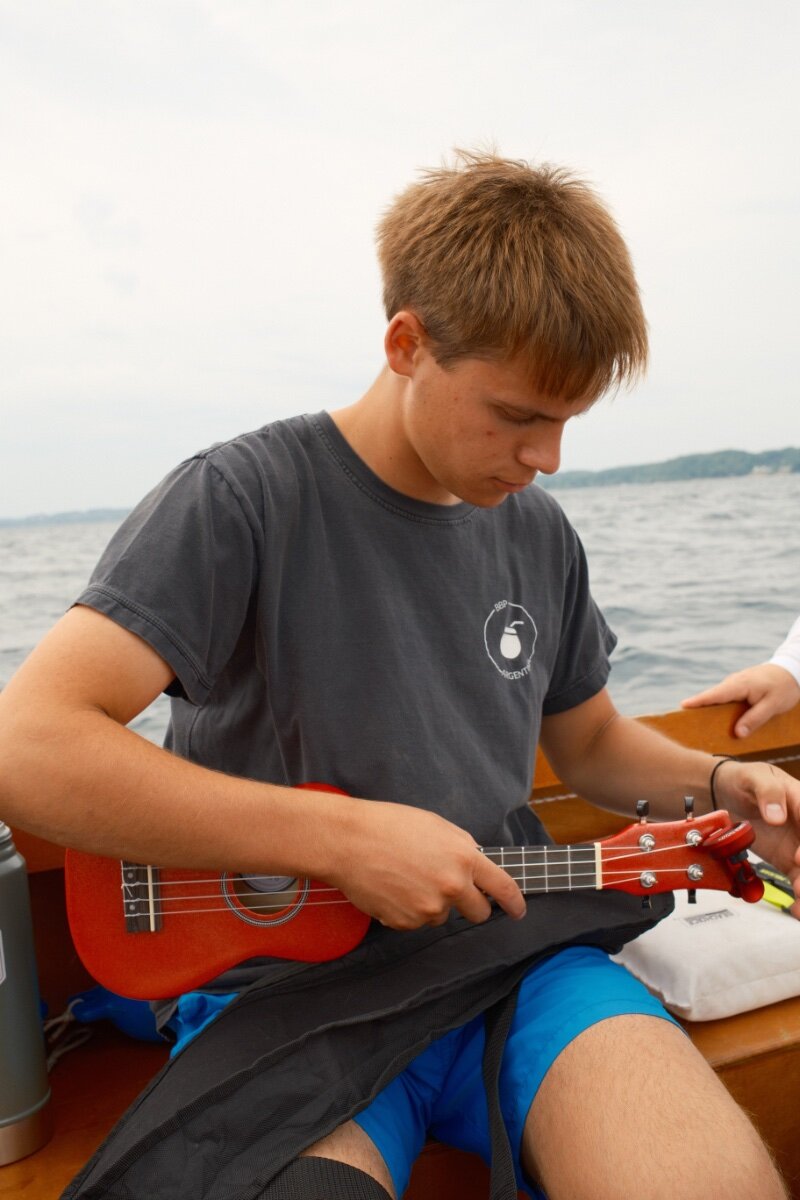
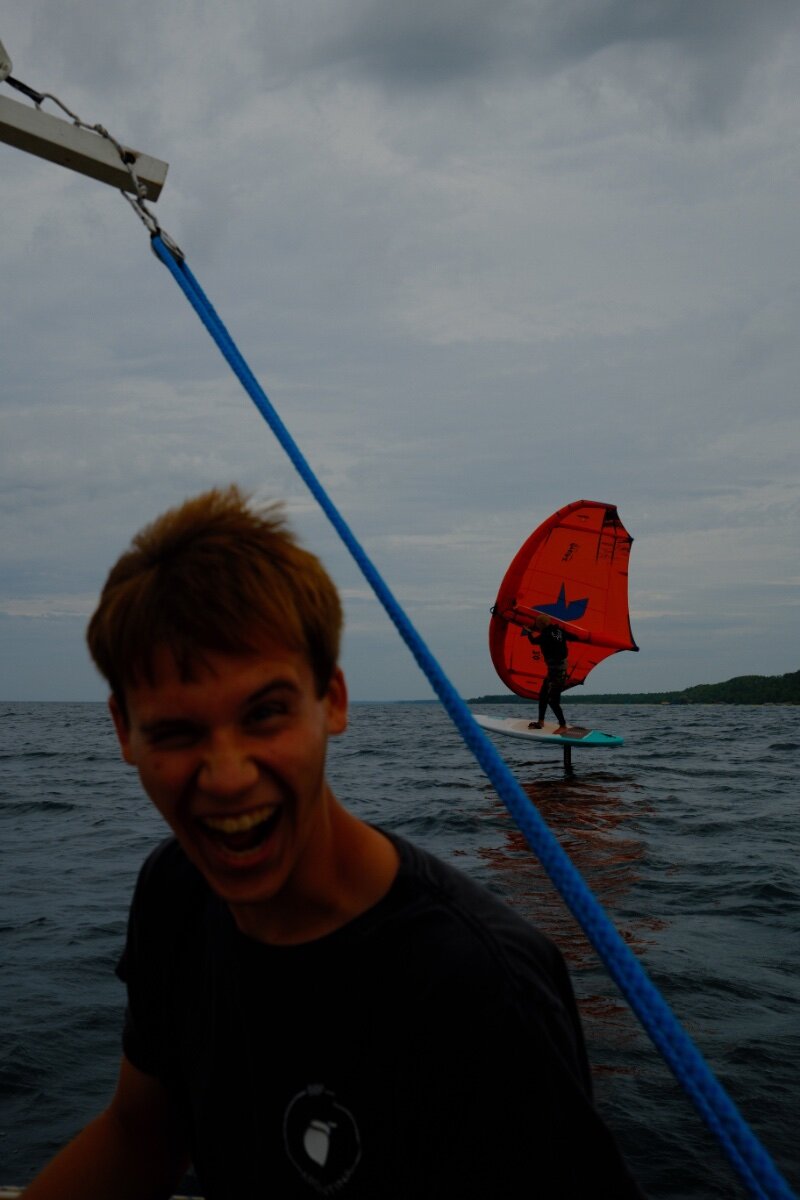
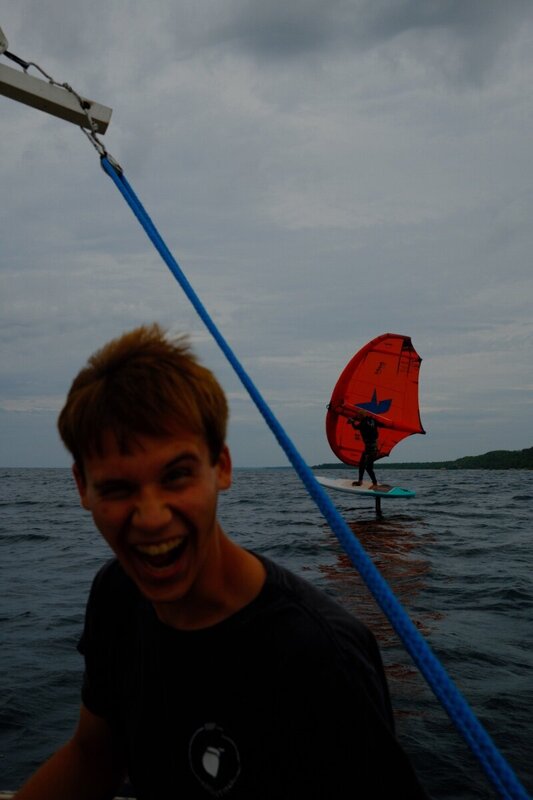
Another chance at exposing someone else to sailing. A young man from Germany is staying with us, and got to experience sailing for the first time! It was also fun to have a kite surf/wing foil zipping by us for a while.

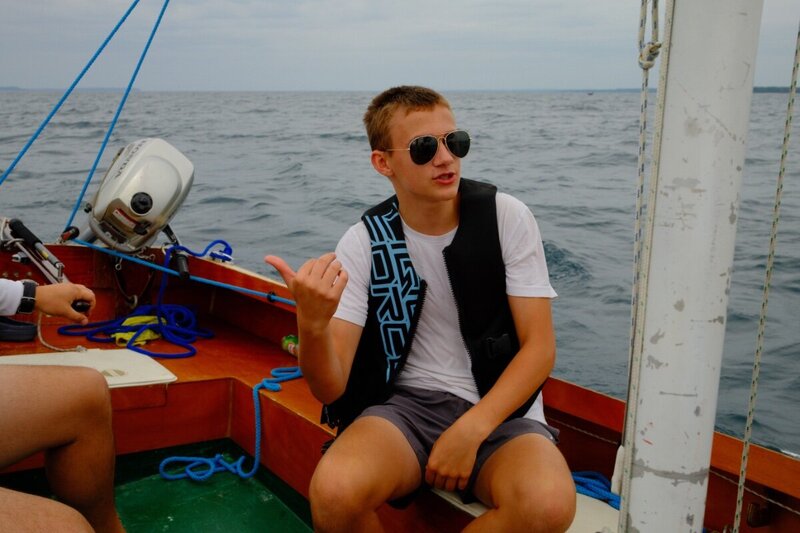

 1 point
 -
Paul, Thanks for reminding me about that. We definitely don't have enough capsize practice going on and your turtling with the float is definitely the kind of thing we want to avoid. The float can only provide so much righting moment and if the wind pushing on the hull is great enough to overcome that then the boat will of course turtle. There's also some hydrodynamic forces at work. If the sails are sheeted in and the boat is on its side but being blown downwind then the sails could anchor themselves (essentially scooping water) and the net result is that they cause the boat to rotate and turn turtle acting like water planes (dive dive dive). I'd love to get out in some wind and do more testing and plan to do just that on my 20mk3 as soon as I get the electrical installed. (maybe i should wait HA). The 17 might need the 30lb float Afterall? We've done capsizes with the 20lb float but not in heavy winds. I'm reminded of this video from the 2019 capsize camp which we need to repeat. They had the float but we forgot to seal the tube so the mast filled up with water. The float actually caused the problem because the tube just acted like a straw straight into the mast. That's the main reason we switched to the external side mounted bracket because it just eliminates that issue while also making the float able to be installed on any mast. Another thing to note is the amount of time they spent on their side I think their lockers filled up with water. You've got to have really got gaskets and a secure hold down because the hatches are definitely under water and will slowly leak you just need them to leak slowly enough that it's no issue. On our CS-20 we only got maybe 1 gal of water in the lockers when we capsized. The other problem of not being able to reach the board is another issue that I'm sure most sailors don't even think about. A righting line you can throw over the hull to the underside is commonplace on catamarans. Catamarans usually don't turtle until the mast fills with water but the masts being nice and tall act like a float until it does. The Core Sounds masts are short by design which has its advantages but floatation is not one. You can see int he video that the CB was fairly high off the water so you need a high level of upper body strength to climb up onto the board something most aren't going to do and you really need to lift your body weight out of the water to effect a righting moment and that takes energy. A righting line might be required for some people. Two people hanging on the centerboard make it easy but if the mast took on water then you've got to lift that water on a looong lever arm so checking mast tops for leaks is just as important as installing the float in the first place. I think a third thing a lot of sailors don't consider is re-entering the boat. I've seen people struggle to use a boarding ladder due to not being prepared for the extra weight of their soaked clothing or just not being fit enough. So you've got a boarding ladder. have you ever actually used it in the water? Imagine you right the boat after a surprise capsize and you're solo only to then discover you cant get back on board. Better hope you're wearing your Epirb then! or can get the attention of another boat.1 point
-
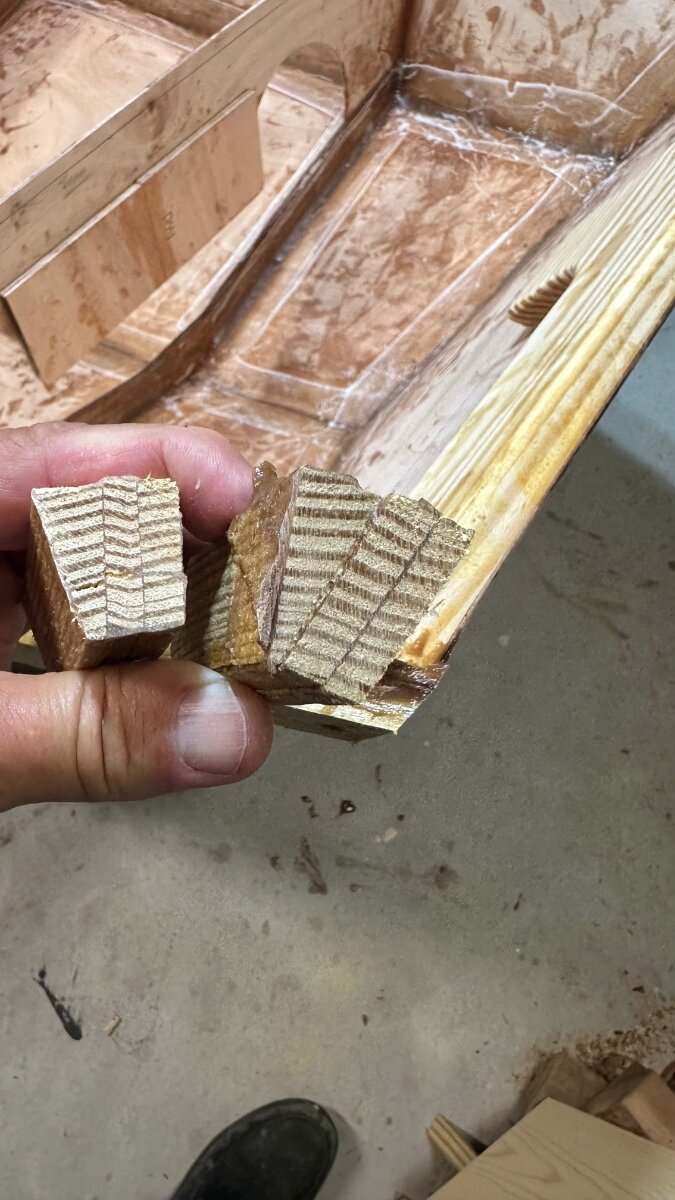
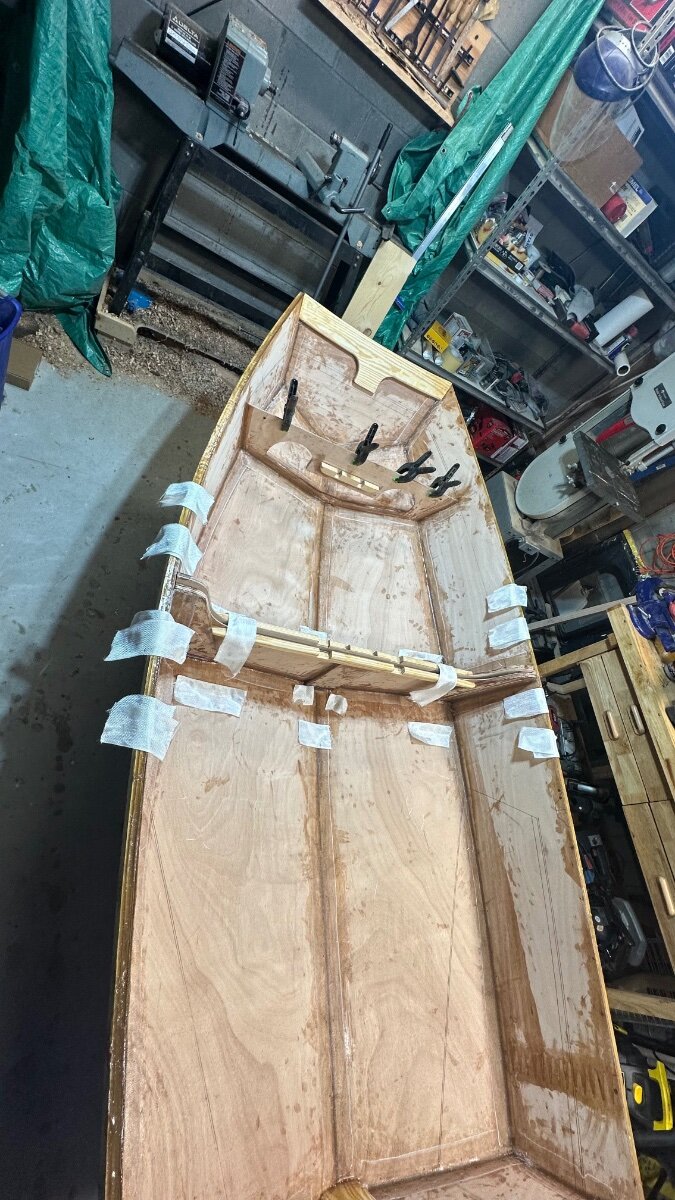
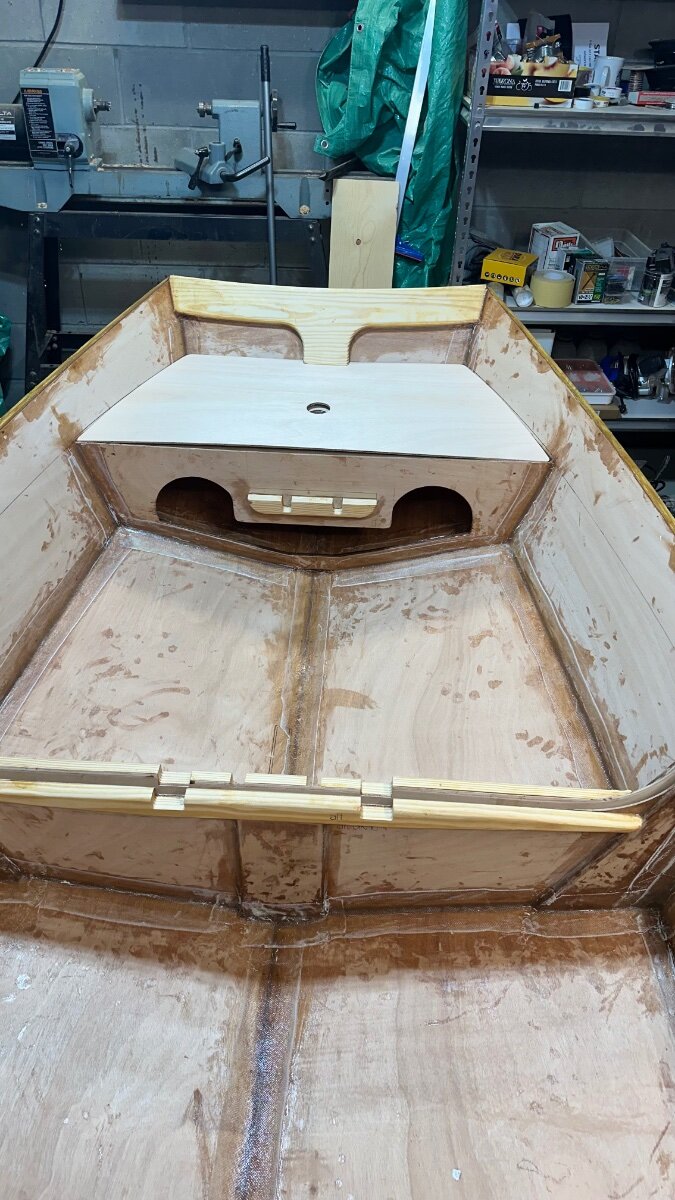
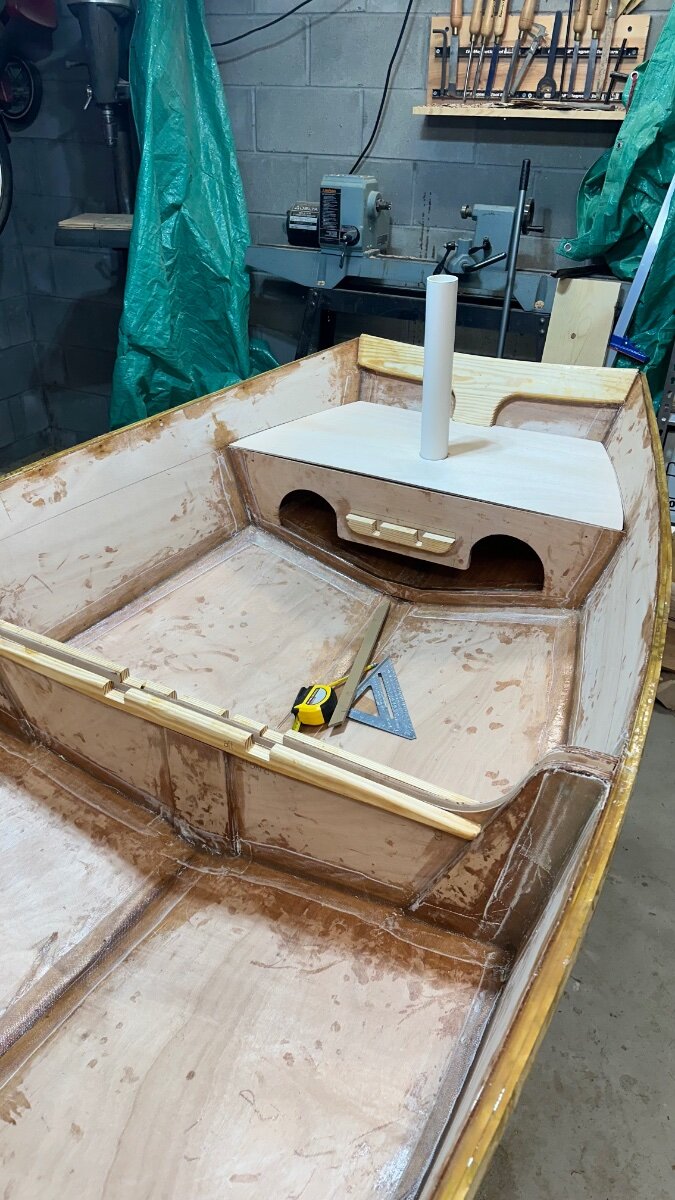
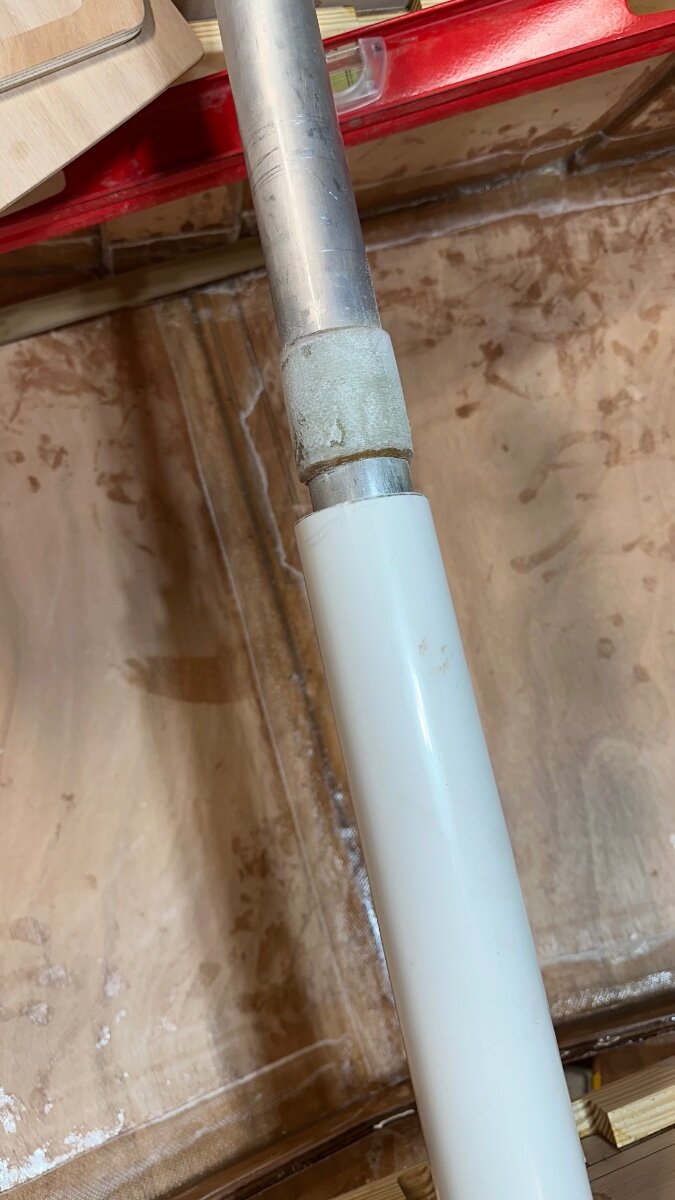
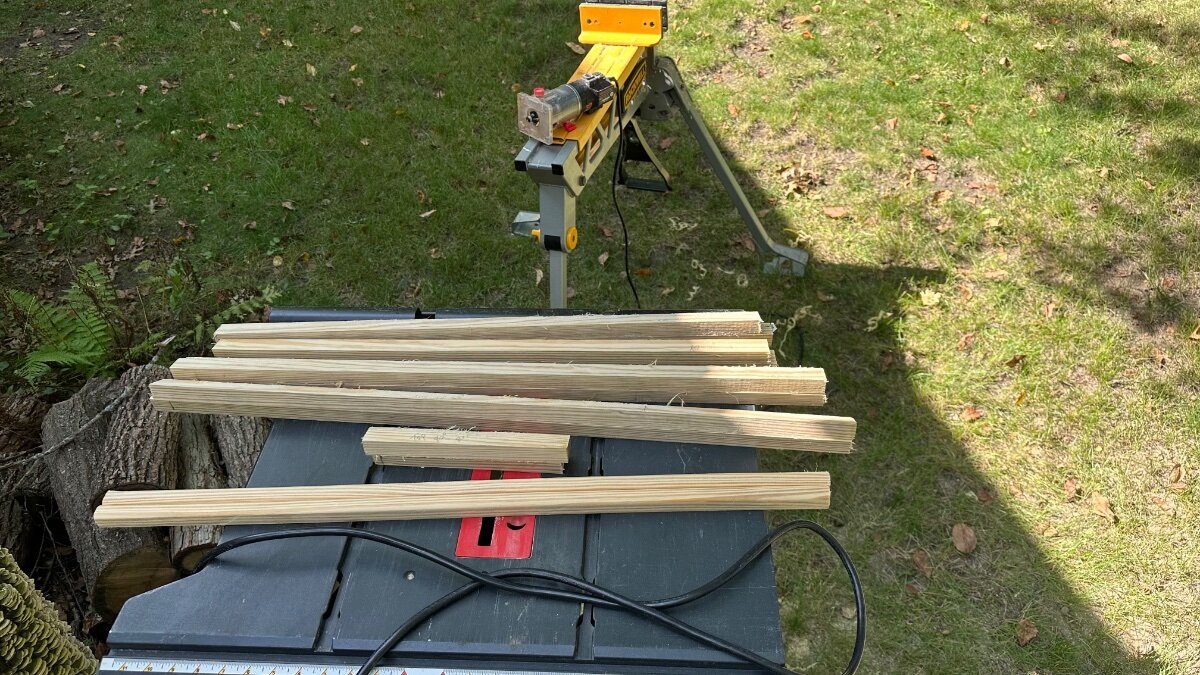
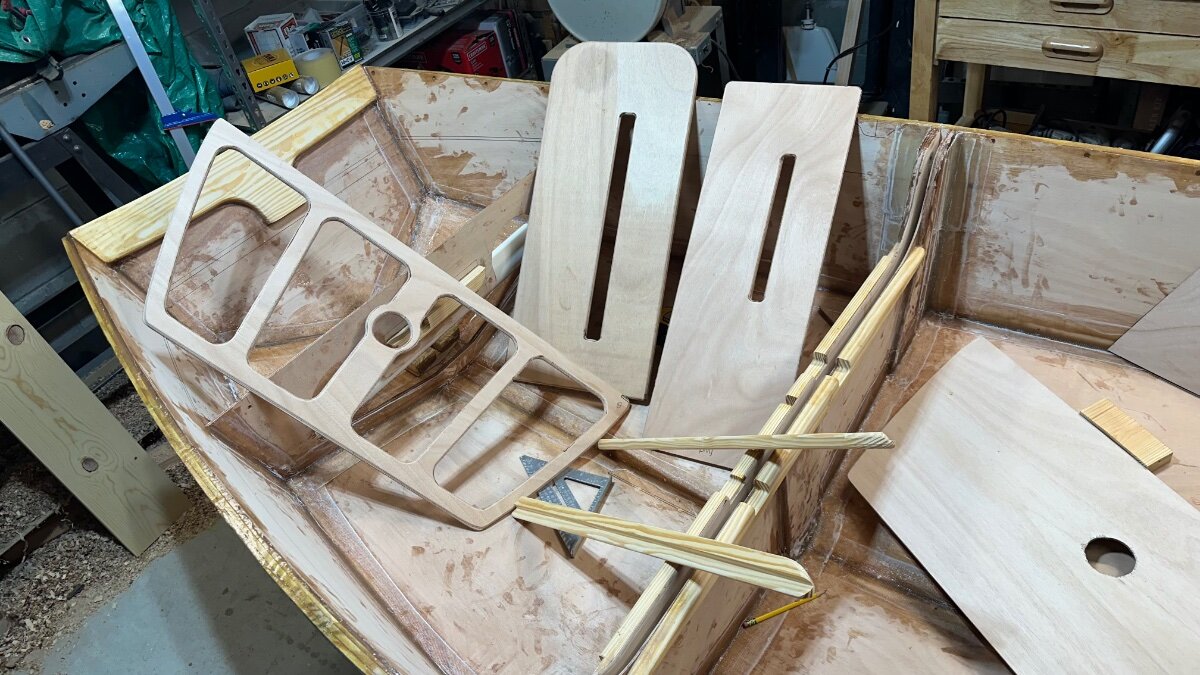
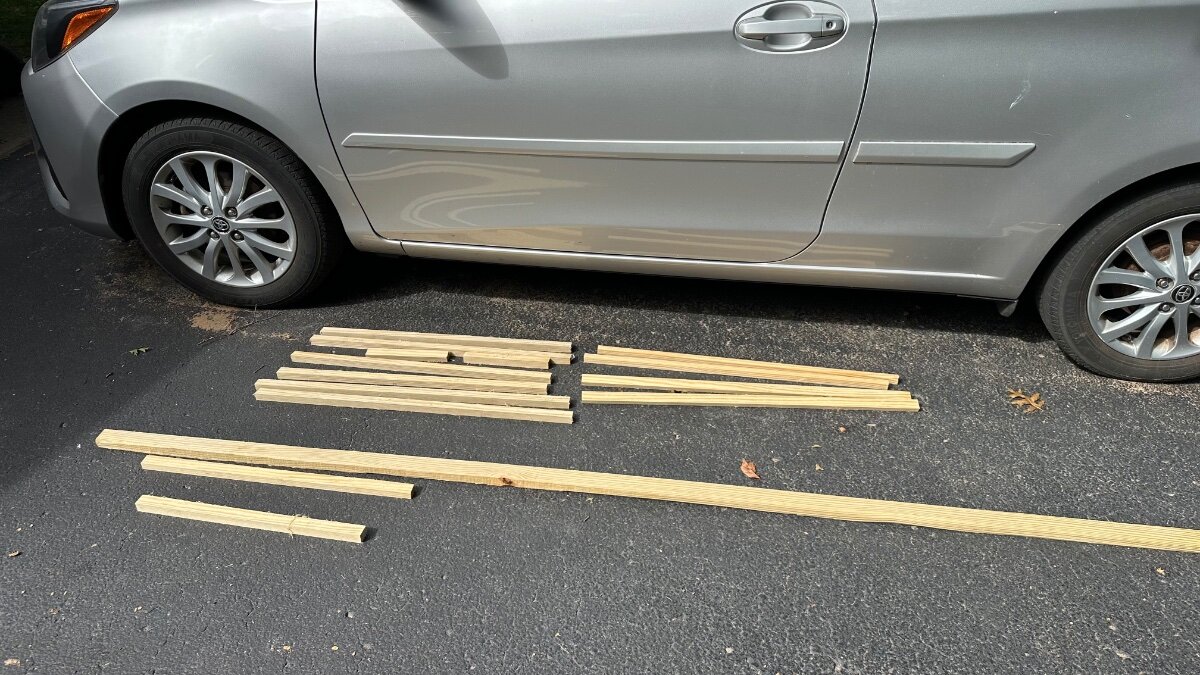
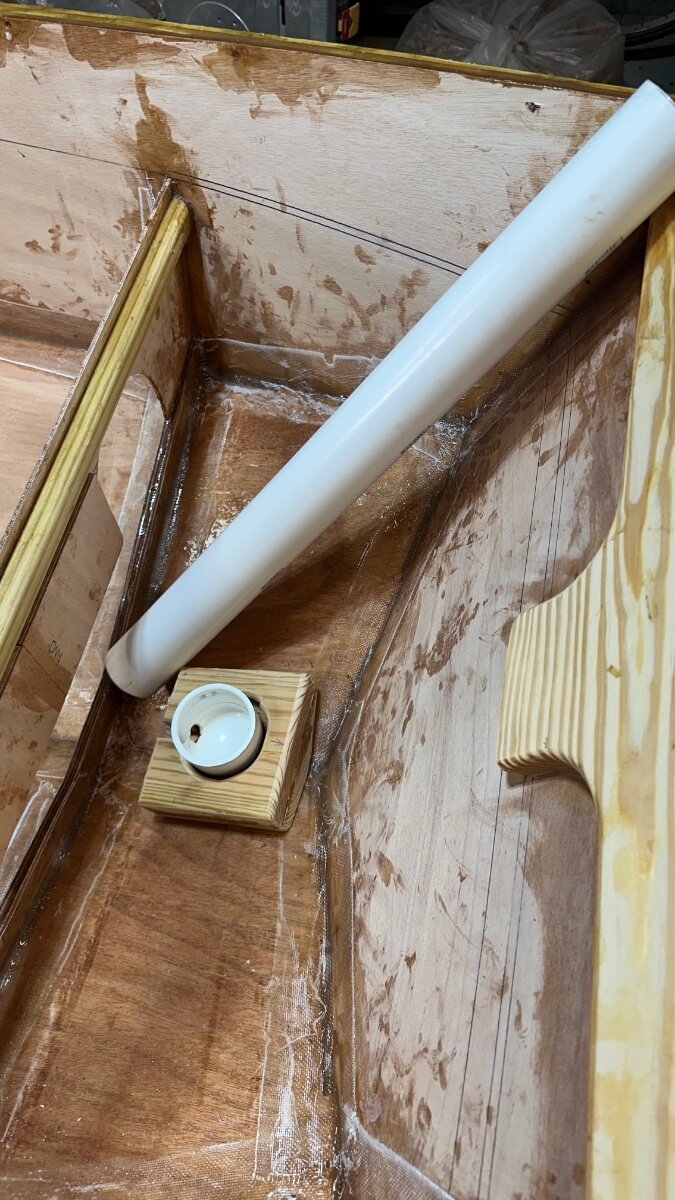
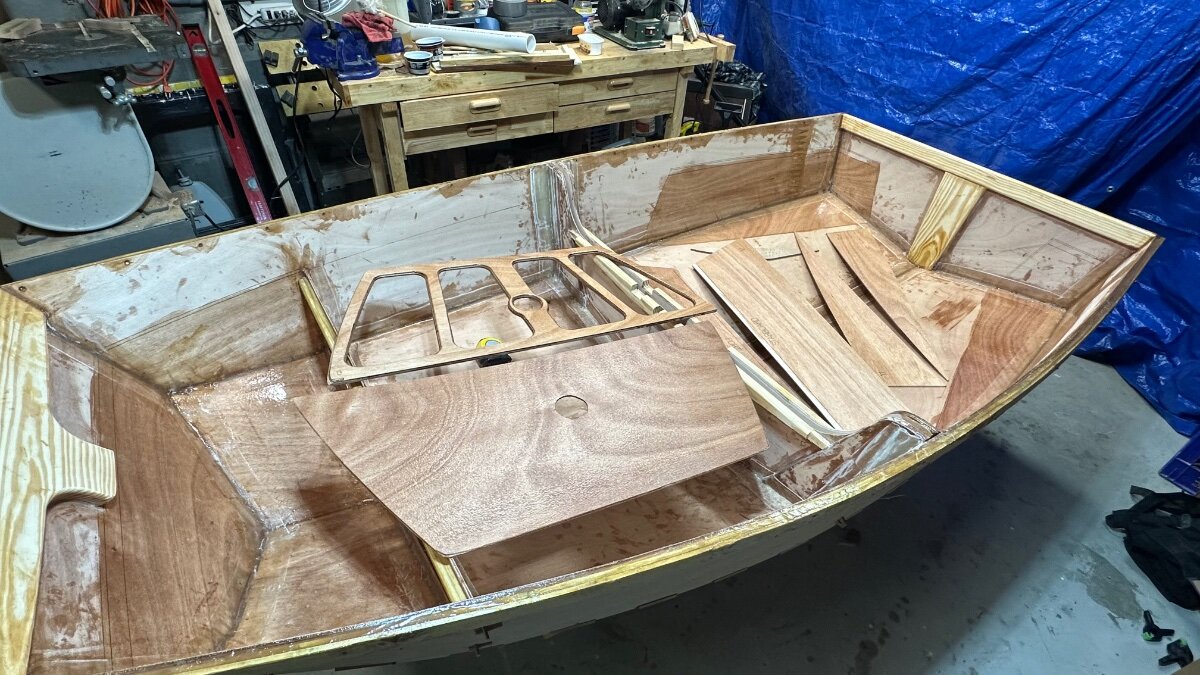
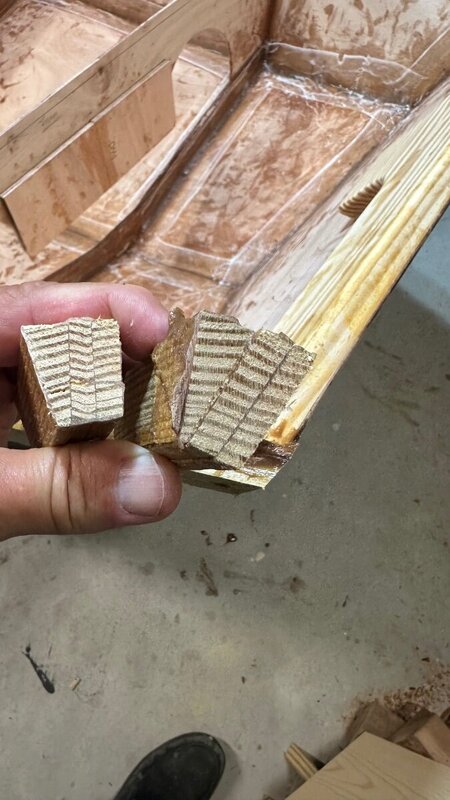
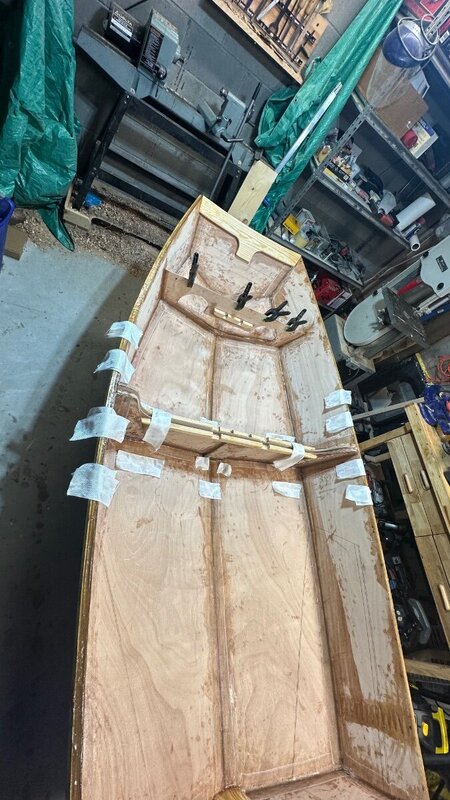
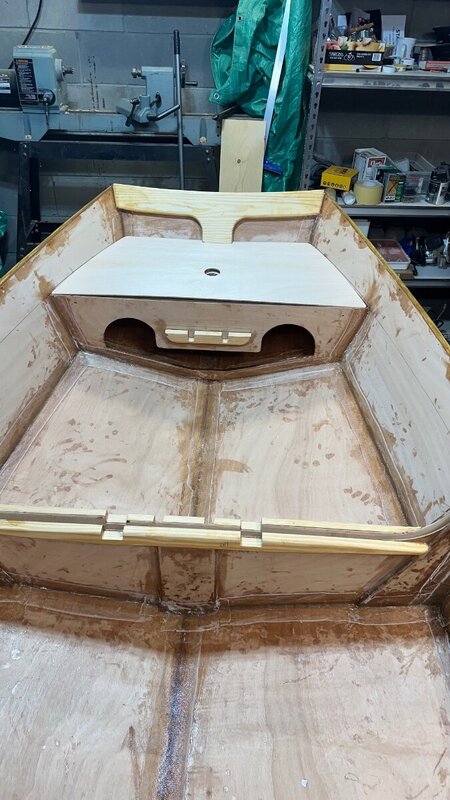
Three days of 3-4 hours each — slow stuff Progress is less “fast” as I get into the fitting of parts and taking care of lots of details. The weekend started with 90 minutes of scraping the hardened tape to be a bit smoother, especially the raised edges of the tape, and cleaning up all the little glass strings, “fuzzies” and little drips that are part of messy fiberglass work… just part of the process. I then finally cut off the ends of the gunwales that I left about 4” long on both ends. Gunwales are made of three thin layers and I decided to bevel the inside layer to make the gunwale vertical rather than recessing to the angle of the hull’s side. I decided that I want to use a belt sander to smooth out the top of the gunwales and my belt sander is over 45 years old. It spits out a lot of dust. Since I am building this in my basement shop and don’t want to send dust into the house, I’m using this task as my reason to order a DeWalt belt sander to use in the basement (it has a dust collection system and I can also connect it to my shop vac… should be much better, since I’m trying to minimize mess in the basement and house.) It should be arriving mid-week. Always good to have jobs that require my getting a new tool. The nesting bulkheads require many layers of fiberglass in the stress points; I took care of these 30 or so tape pieces over the weekend. I worked on the bow deck and mast step over the weekend. I sanded and fit the deck piece and “king plank” piece underneath it. This is by design a flotation tank but I decided to create flotation tanks on both sides of the bow section and opened up the bow tank… maybe for storing water bottles, lunch, or other stuff the kids would want when they start doing their adventurous sailing in this boat. Instead of making a mast tube I bought a two foot piece of PVC pipe. After enlarging the hole in the deck to accommodate the pipe I was able to start figuring out where a mast step should go. (I will have the PVC extend up only a couple inches above the bow deck so that I can run a hitch pin through it and the mast, assuring that the mast will not fall out in a capsize.) The bushings on the mast needed to be sanded down a bit to fit inside the PVC tube. Success. And, I could hook up my shop vac to my table sander to sand all the parts and the bushings… no mess. Today, I cut all the stringers I need (well, not quite ALL the stringers.. I still need a few more for the yet-to-be-designed bow side tanks… later.) I cut bevels into the stringers so that each top edge will be flat to receive the seat tops. It took some time to figure out the angles needed for the bevels, but I think I got them. I rounded all the exposed edges on the parts yet to install. For the stringers I used an 8’ deck board from Lowe’s. Unlike a lot of their wood, deck boards are usually quite straight and made with clear southern yellow pine (pressure treated.) I’ve been happy with using the 5/4 deck boards (1” thick) as a source for lumber. Being treated means the wood is still kinda wet and moist when purchased and I set them in the sun a few hours to start drying them. They will be OK when I am ready to make the installations. The three pieces at the bottom of the photo are still useful leftover pieces. The mast step was made from two deck board scraps from a previous project. I managed to make a good fit to the bottom. I bought a PVC end-cap for the PVC tube that will help when installing it permanently… the end can be rotated and then glued in to support the tube when it is finally installed. A hole was cut in the end-cap and a channel was cut in the top layer of the step for drainage. And, I previously cut an open space in the bottom “point” of the bulkhead for this forward “tank” space to drain into the forward cockpit. It will be a while before I finish everything in the bow area. My last step on my third day was to begin putting coats of epoxy onto surfaces I won’t be able to reach once parts are installed. Over the three days, I worked about 10 hours. Now I need to let the epoxy cure before more coats are added. I also need to fill the fiberglass tape and do a bunch of typical sanding… noticeable progress will be slow for a while.
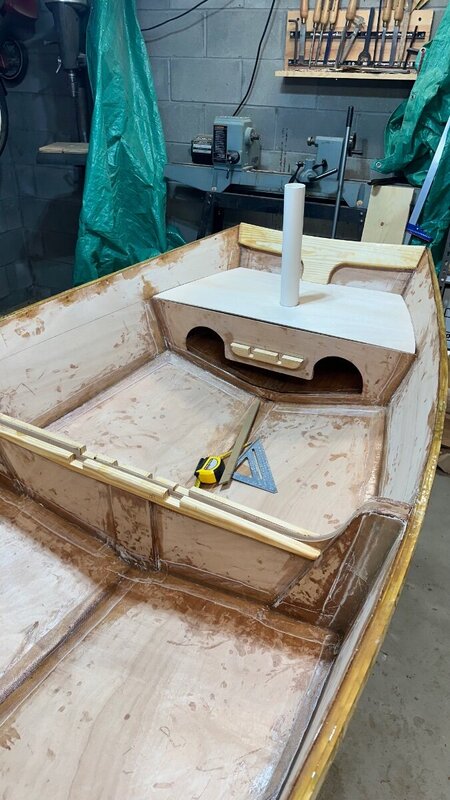
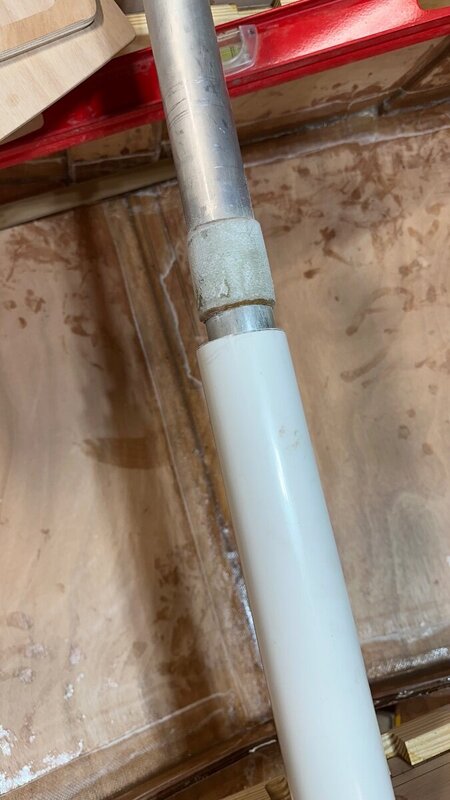
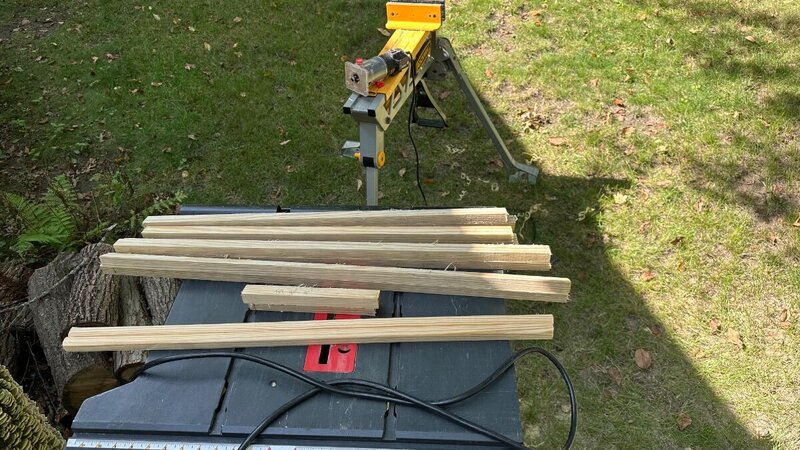
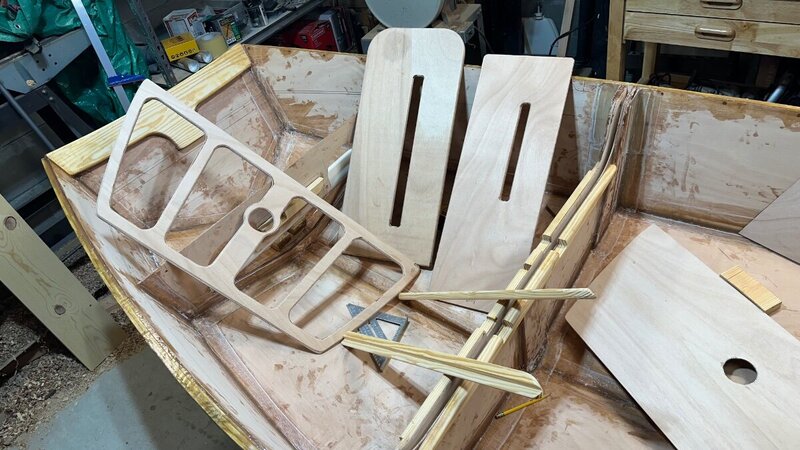
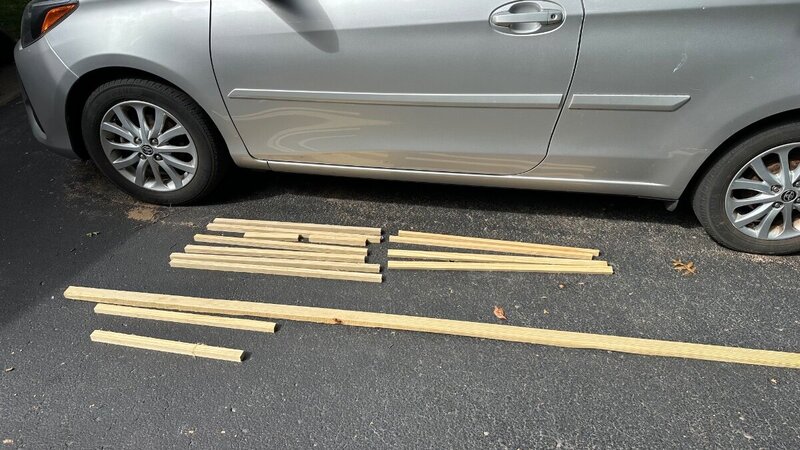
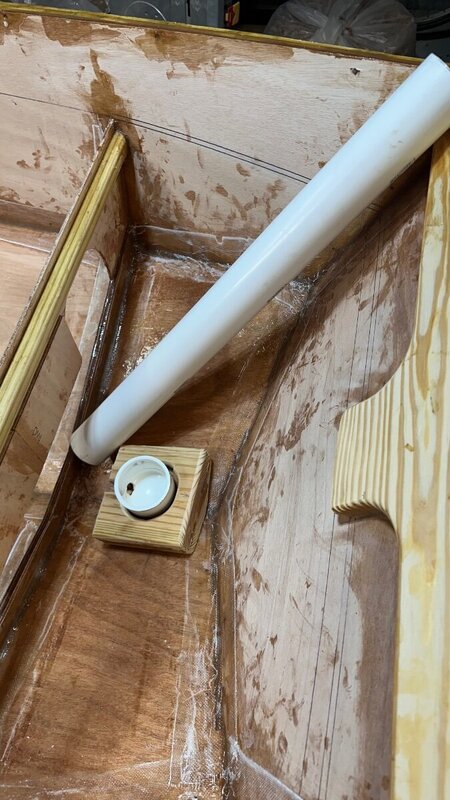
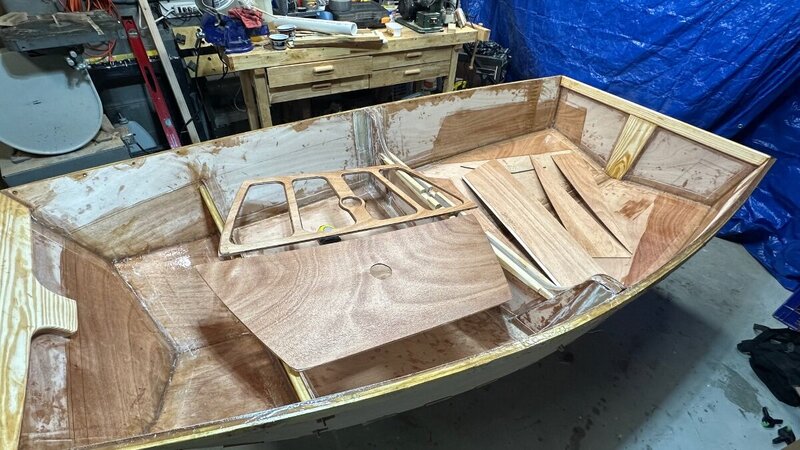 1 point
 -
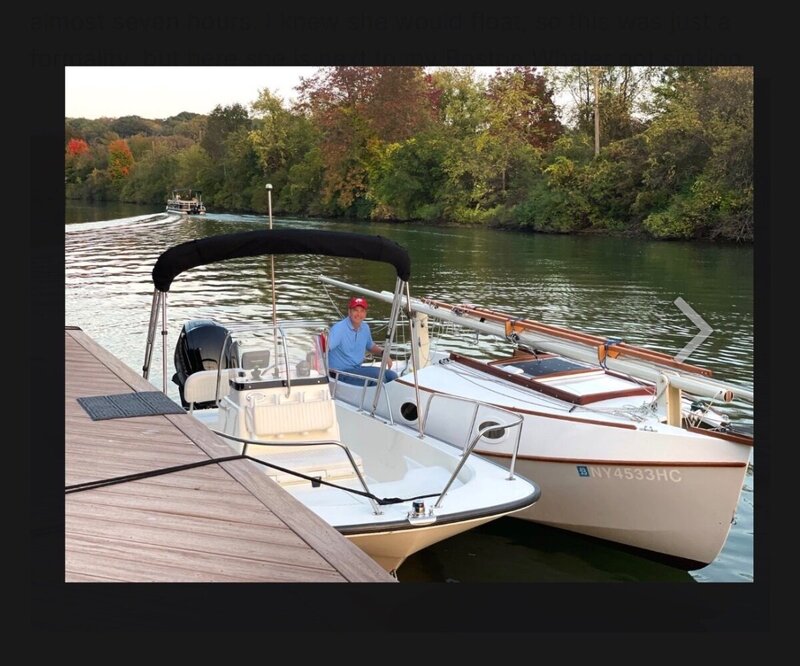
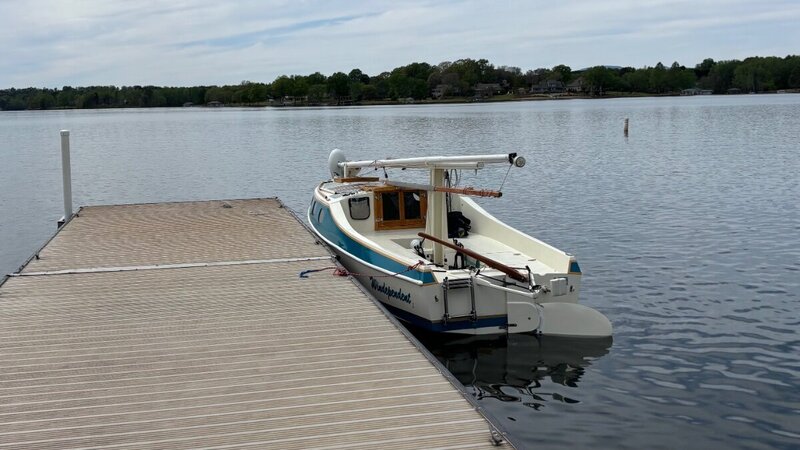
@Reacher I assume you haven’t seen a lot of mark 3’s Down Under. Let me show you a few as relates to the subject of a tabernacle. First, the mizzen remains pinned, and swings FORWARD (!). Because of power lines at the launch site I used, I needed to launch Jay’s 20.3 (that he built and I bought) as-trailered. I had to raise the masts as she floated at the dock. If you zoom in, you’ll see that the aft edge of the tabernacle is even with the aft edge of the thwart. On this boat, the mizzen is secured down low, about 3” above the cockpit sole. On Steve Warfle’s Skeena, the thwart is more aft. Also, the mizzen stops at thwart level. I’d probably favor Jay’s solution, but I have no good reason for it. Also notice that both tabernacles have a crutch for the top end of the other mast. I am confident that I could currently handle some sort of mizzen funnel, but I’m less confident that it would become more and more cumbersome “into my dotage” as Andy puts it. I want to sail right up until I am admitted to the Assisted Living unit. LOL
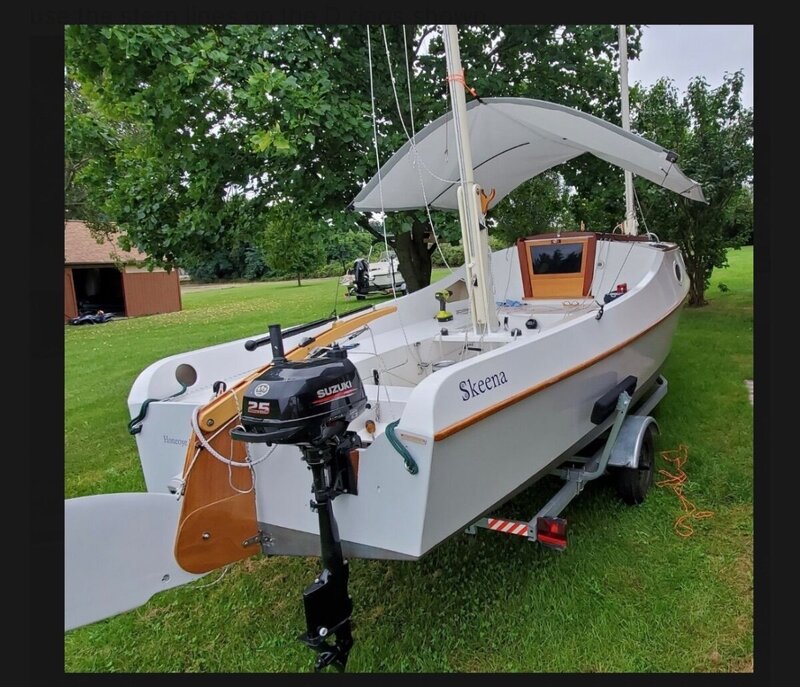
 1 point
 -
@Don Silsbeyes, that is what I was proposing, sorry I couldn't explain it very well.1 point
-
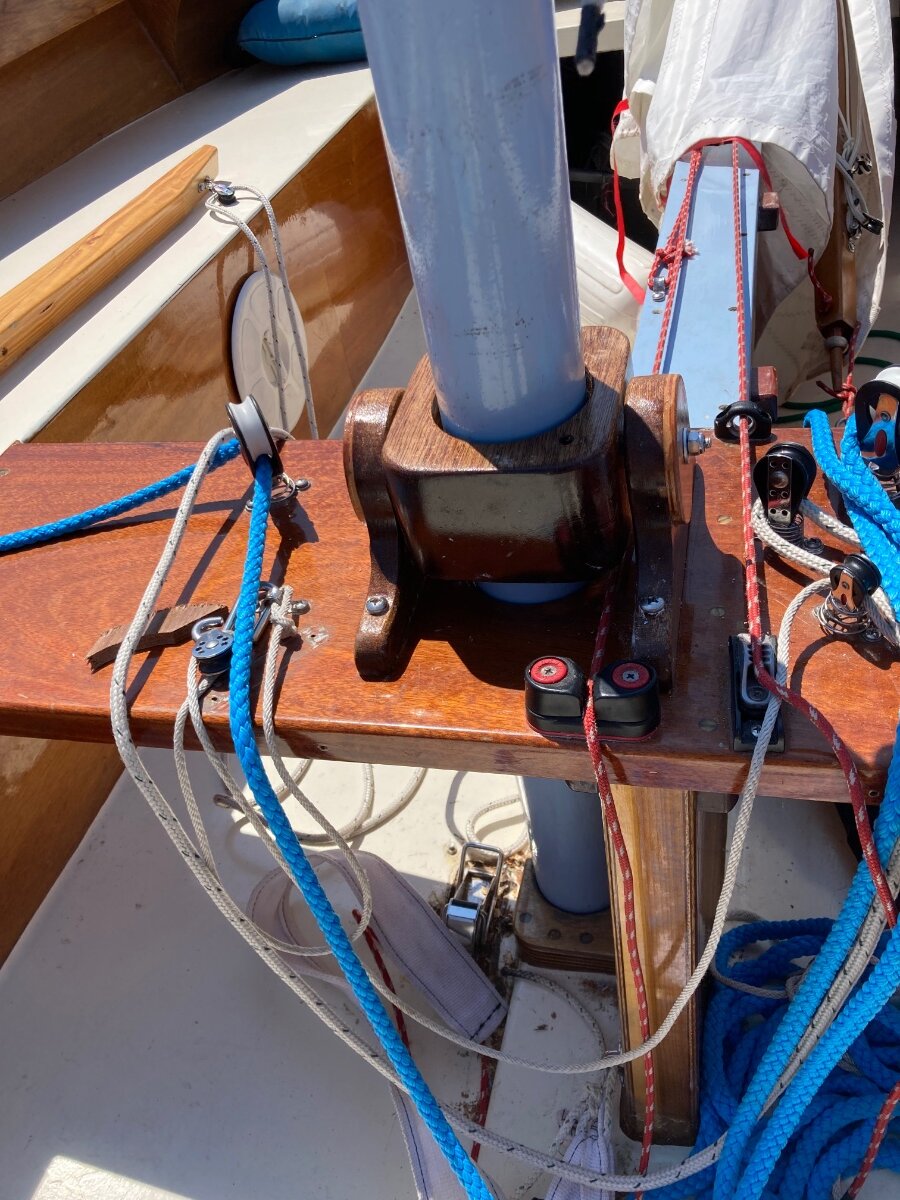
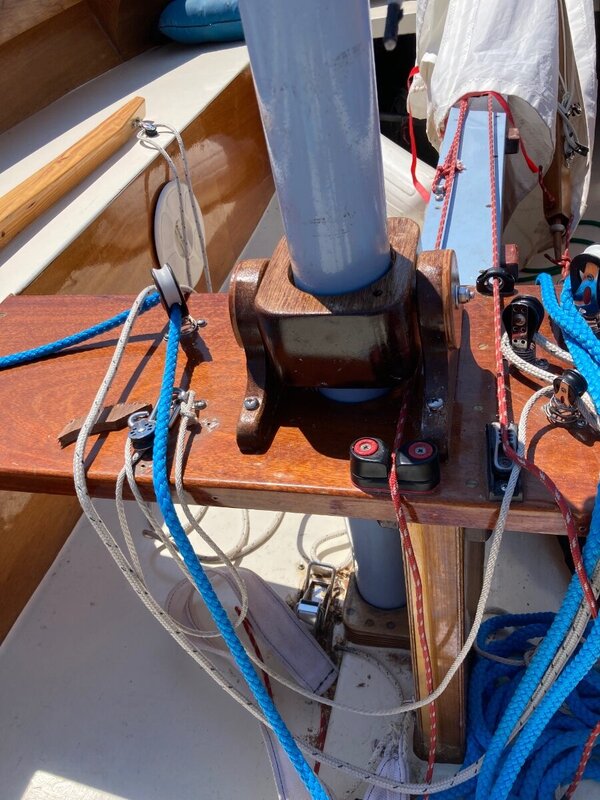
Don, I’ll recycle this photo of the mizzen swivel on my CS 20.1. After two seasons of use I am completely happy with it. Without the swivel and the main tabernacle I doubt if I would be using the boat. The effort and feel of swinging the mizzen into position and back down is no different than stepping/unstepping the main mast using the tabernacle. It is actually somewhat easier and more secure because of standing in the cockpit rather than on the deck. The mizzen does require some manipulation to slide it through the thwart and lift it out, but the foot of the mast is always contained so it is secure to handle. At this point I don’t know of any better method aside from a mizzen tabernacle. Of course you might come up with something you are more comfortable with. Good luck.
 1 point
 -
Alan used a trolling motor (maybe 55#) at Raid Erie for his 20 mk3. It worked okay to get in and out of the marina and do a little motor sailing. I think he said it would not work well against wind/waves/current. But his was in a well. I was thinking about a trolling motor, but with the battery cable and higher head, that's just more hanging around the transom for my sheets to get caught on.1 point
-
I am a nervous trailer-er. On the way home from Raid IMG_9815.mov Erie, a six hour trip, my masts were wiggling left and right during the trip more than I cared. I finally did what I’ve been meaning to do for some time, create “moose antlers“ to stabilize the mass while traveling. Pretty simple, but I believe it will be very effective.1 point
-
Here’s a small modification I did for stowing IMG_9814.mov items while sailing.1 point
-
I posted some pics on the Raid Erie Facebook page, but here is my Part 1 report. It started out bad. I was going to leave early Thursday to get there, but my trailer brakelights failed miserably. The copper wire was like dust and I wound up rewiring them with a cheap kit just so I could go. I didn't arrive until 2:30 in the morning and I didn't want to drive into the park we were supposed to meet at so I drove to the Marina, parked, jumped into Skeena and went to sleep. The bass fisherman were at it by 5:45, making for a short night of sleep. I went into town, got a few groceres and then went to the Thursday night gathering place and met a few sailors who were still there. The launch site was moved to Catawba Island Stat Park, and so I headed there next. As I pulled in I spotted Paul and Dawn and Alan and Taylor's boats and pulled up near them. They were partially rigged, but I got to it and rigged Skeena as quick as possible. As a preface to a theme that would continue throughout the weekend, I was quite amused by Alan and Taylor's boys, aged 3 and 5. I had two the same age apart, who are now all grown up, and it was a great reminder of how much energy they have. I was the first to get into the water and I headed straight to Middle Bass Island, not waiting for others. My thought was to take a quick nap when I got there, but that wasn't to be. The forecast was for dying wnds, so away I went. It was a better sail than I imagined it would be until the wind diminished near the end of MBI. I hadn't had a shower and it was pretty warm, so I anchored and took a nice swim. A few sailboats came up on me and we all sailed into the park. I hadn't remembered my slip number so I docked and walked up to the admin building and they directed me to the D Dock. I got Skeena tied up and after talking with other attendees for a bit, The Stewart's two CS20.3 showed up and they two were on the D dock. We all eventually went to JF Walleye's restaurant for a nice late lunch and I was blessed to be allowed to tag along with such a fun family. Again, those boys were a hoot. Later we looked at other boats in the Marina that were obviously part of us and met many other Raiders. Ted had his CS17.3 next to mine and it was pretty awesome to see so many Mark III's. To sweeten the moment even more, I saw Pete McCrary's Chessie make an apearance. Pete was building Chessie while I built Skeena and finished way faster than me. I flew to the Messabout and Chessie was the first Core Sound I had ever sailed on. I know Peter would have been happy to see here there. Ted and I got a chance to talk for a bit and he was kind enough to arm me with some excellent Steven's Point beer from Michigan. Highly reccomended if, like me, you enjoy beer flavored beer. In the Evening, we (by now I felt like a part of the Stewart family) made our way to the Lonz Winery for dinner and a talk by Colin Angus that was entertaining, although a bit long. By then I was exhausted and I left a bit early and went to get some sleep. Somewhere in this writeup I should mention that this whole area was beautiful in a "I can't believe this is Ohio" way. I plan to be back. Saturday Ted had left before I awoke. We had a loose skippers meeting and the three Core Sound 20.3s decided to head to Kelleys Island for a swim and the meet up with the others at Manila Bay on North Bass Island later. I'm sure we covered the most ground that day. I was happy for that because I haven't sailed Skeena much this year. We had a great upwind sail to Kelleys, other than that Paul fell behid due to a technical problem with his centerboard. It was sunny and warm, and I was and still am intrigued by Alan and Taylor's Bimini on Yacht Dog. We anchored in shallow water and I waded in. It was a nice but short visit with lots of boat talk, and then we were off to North Bass....1 point