sanmi
-
Posts
58 -
Joined
-
Last visited
-
Days Won
9
Content Type
Profiles
Forums
Events
Everything posted by sanmi
-
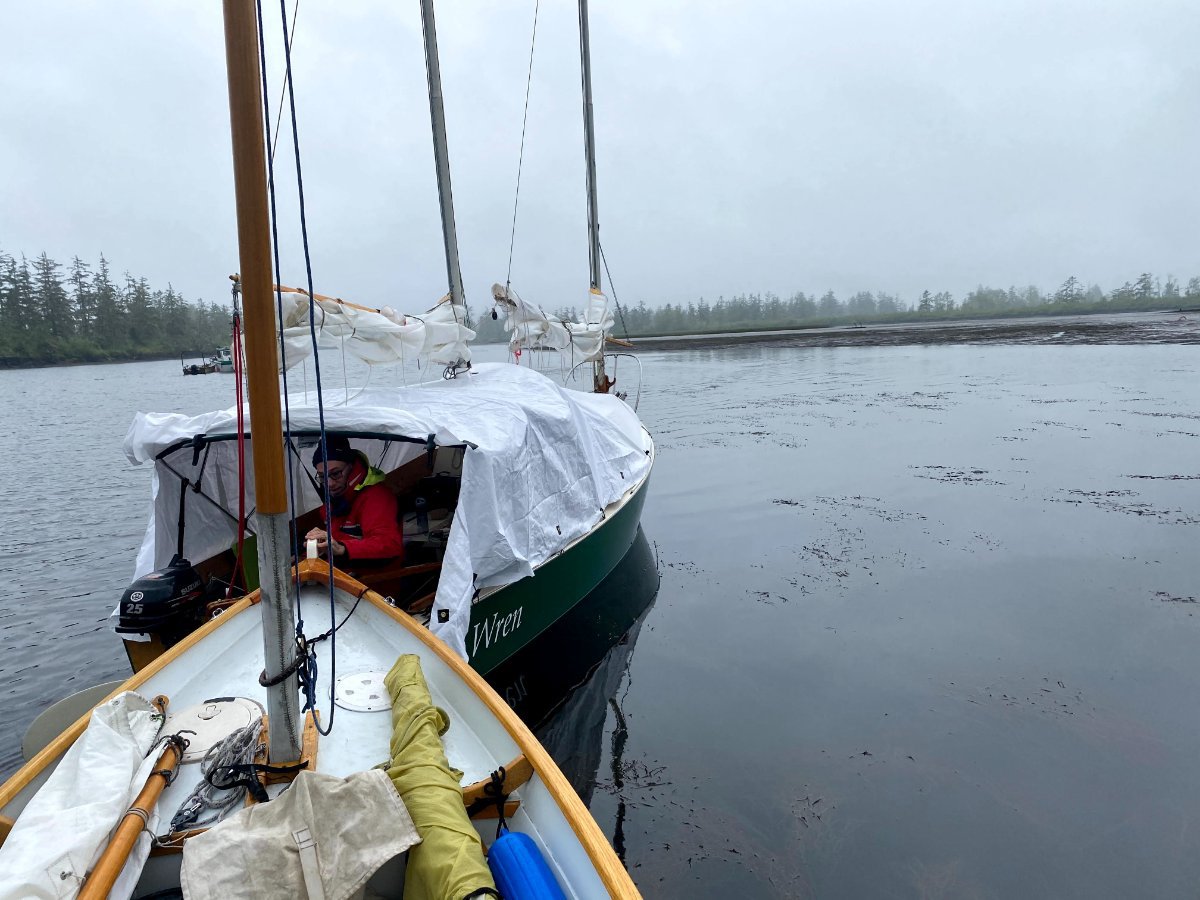
I made a tent out of polytarp in preparation for a better one that I will make out of Topgun 9 oz. We used it on a cruise in the Columbia River and it worked like a charm.


-

Upgrading to a Chartplotter (Location, wiring, batteries)?
sanmi replied to sanmi's topic in B & B Yachts Forum
Thanks @Steve W I think I will try your router trick! Do you have a photo of the finished product? @Thrillsbe Thanks for the story about your LiPo batteries. I was leaning towards the LiPo for the weight savings and more charge cycles, but your story makes me doubt that I have the discipline to use it properly. Regarding motorcycle batteries, there are 30ah deep cycle batteries (like this one from amazon) which weigh a little more than 20 lbs. I would probably set it up with a guest charge pro 6 amp charger that I have from a previous boat (a bit overkill). I'm also considering getting a solar panel and am open to suggestions about that.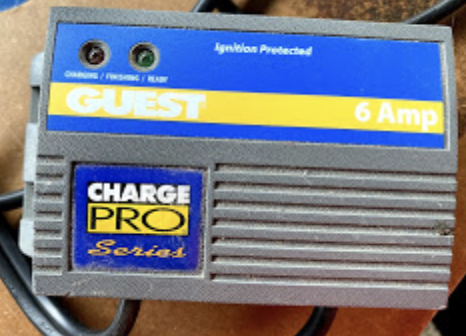
-
Upgrading to a Chartplotter (Location, wiring, batteries)?
sanmi replied to sanmi's topic in B & B Yachts Forum
Thanks. I agree that AGM is better than old style. I won't be starting any outboards or powering any trolling motors - just charging phones and powering a chartplotter. I'm thinking 20Ah to 30Ah. Google and youtube tells me that a Garmin Echomap 64cv with a regular CHIRP sensor will draw somewhat less than 1 amp, so a 20 Ah battery will theoretically last ~20 hours. If I get a smaller Echomap 44cv, it will be ~40 hours. -
Upgrading to a Chartplotter (Location, wiring, batteries)?
sanmi replied to sanmi's topic in B & B Yachts Forum
@Steve W I love what you did with the transducer. Have you tested it on the water? Is it working the way you had hoped? -
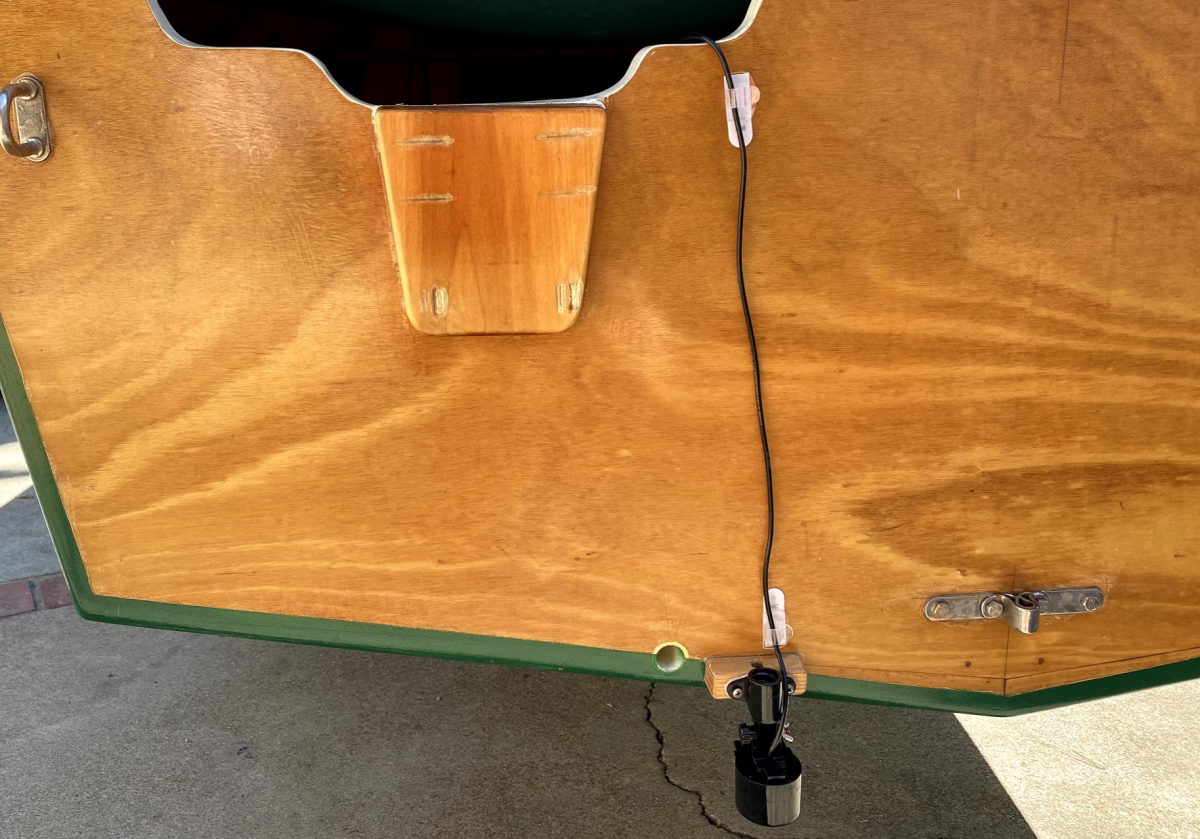
I'm thinking about upgrading to a 6" chartplotter with fish finder (something like a Garmin Echomap 64cv). I currently use a portable Garmin GPSMAP 78sc and a portable Hummingbird fish finder for depth. Everything works fine in good weather, but the GPS screen is hard to read when it is windy and wet and the fish finder doesn't register if the boat is going faster than 3 or 4 mph. For most of my life, I've used the centerboard as a depth finder, but my current sailing grounds on the pacific coast have tides of 6' - 9' and the addition of a depth finder has been transformational. I already carry about 15 Amp-hours of little lithium power bricks for charging phones and tablets while cruising, so I'm not opposed to powered devices. I'm comfortable with making the box and control panel (switches, fuses, breakers, etc) but I'm struggling with how to route the wires in the cockpit. I hate putting holes in the boat! I'm thinking about having an integrated battery box / control panel in the cabin (doubling as a companionway step) and putting the fish finder under the mizzen mast partner. My current setup: the GPS is velcro'ed to the mast partner and the fish finder is velcro'ed to the transom with the transducer wires fastened using command outoor lighting clips (see photos below). I'm soliciting opinions and suggestions about: * Location of a chartplotter on a core sound 20 mk2 (I think Graham had his in the companionway at one point) * How to route a power cable from the cabin to a plotter at the the mast partner. * How to route the transducer cable from the transom to the chartplotter * How to get a waterproof seal when passing through bulkheads, cockpit or transom. For example, should I use waterproof connectors when passing through plywood panels, or just epoxy, putty, etc. * Lithium-ion vs lead-acid batteries. Thanks!
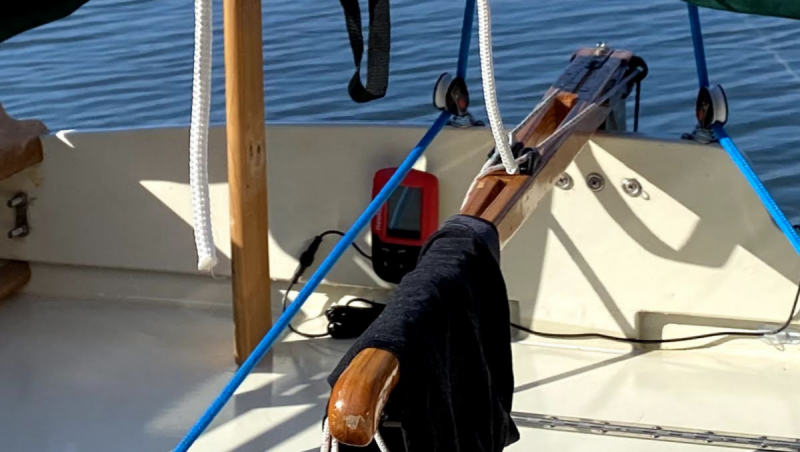
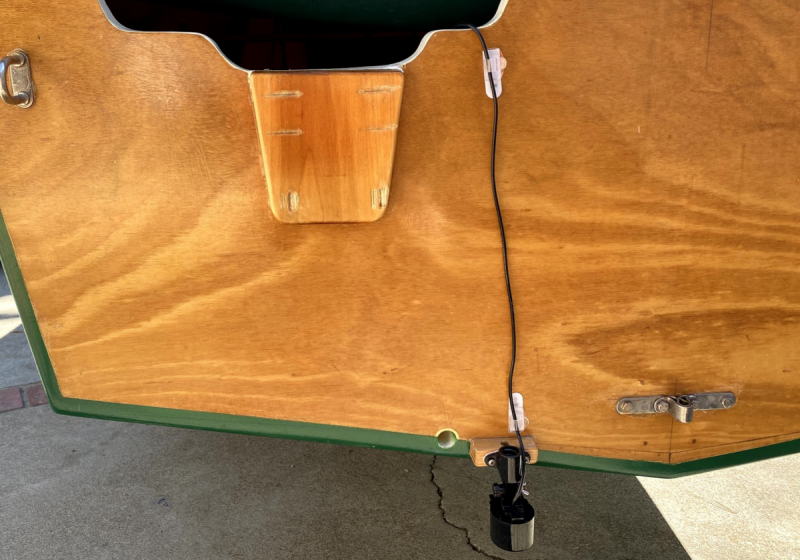
-
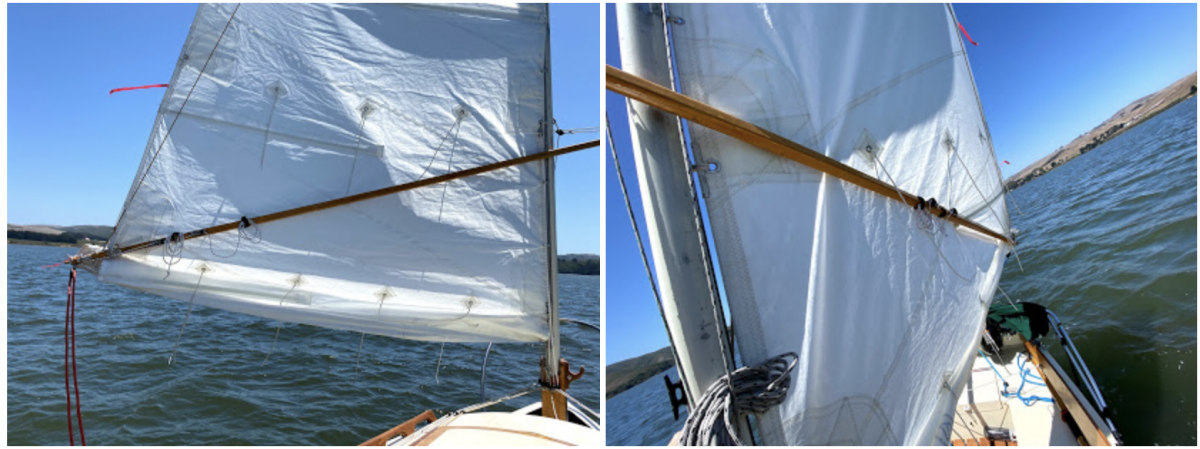
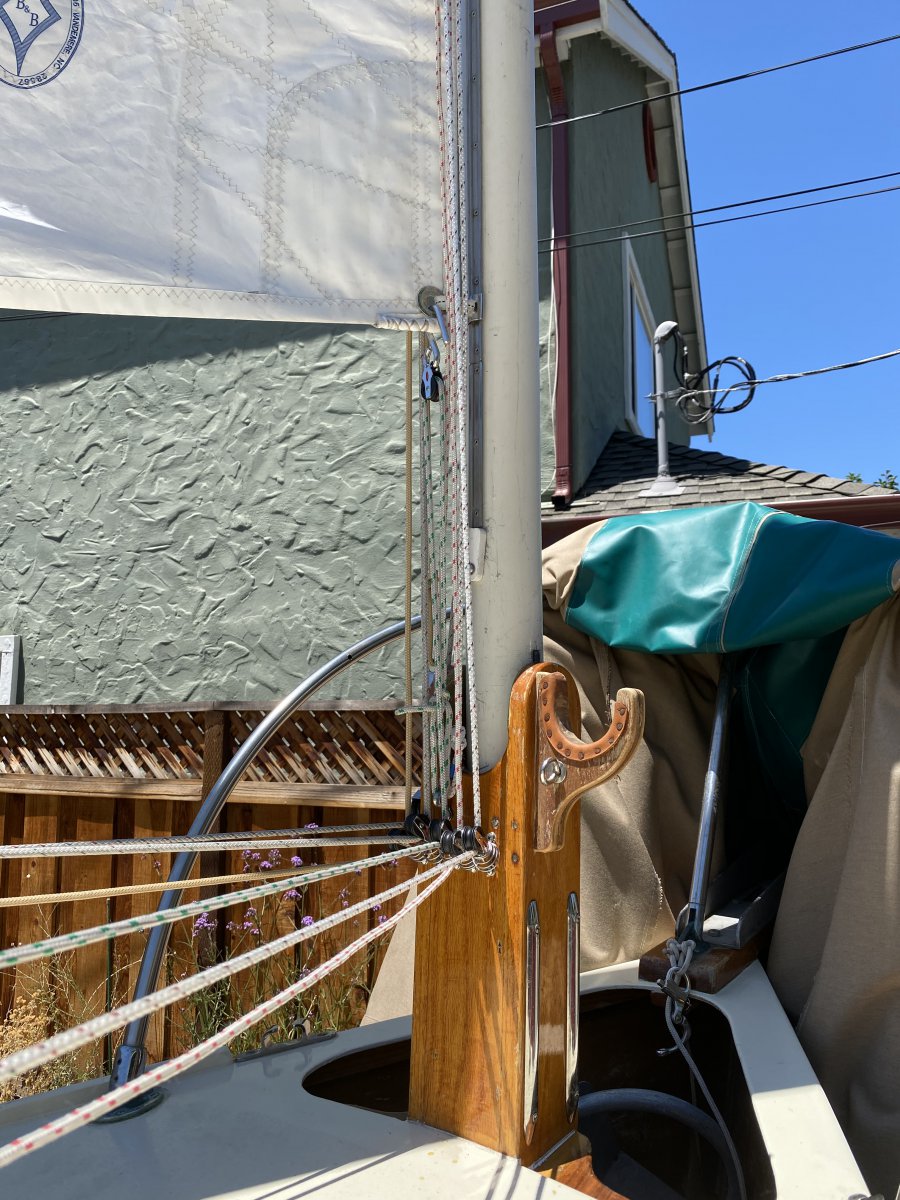
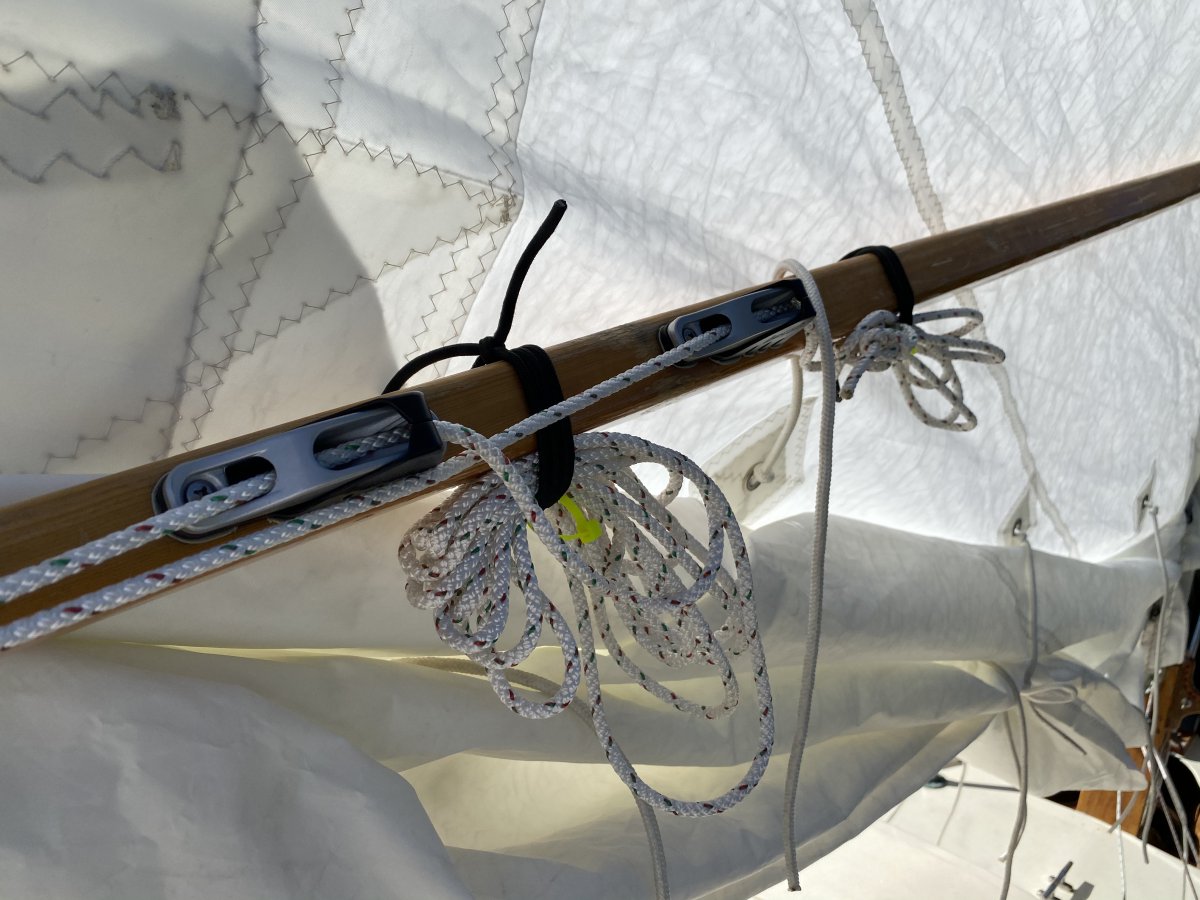
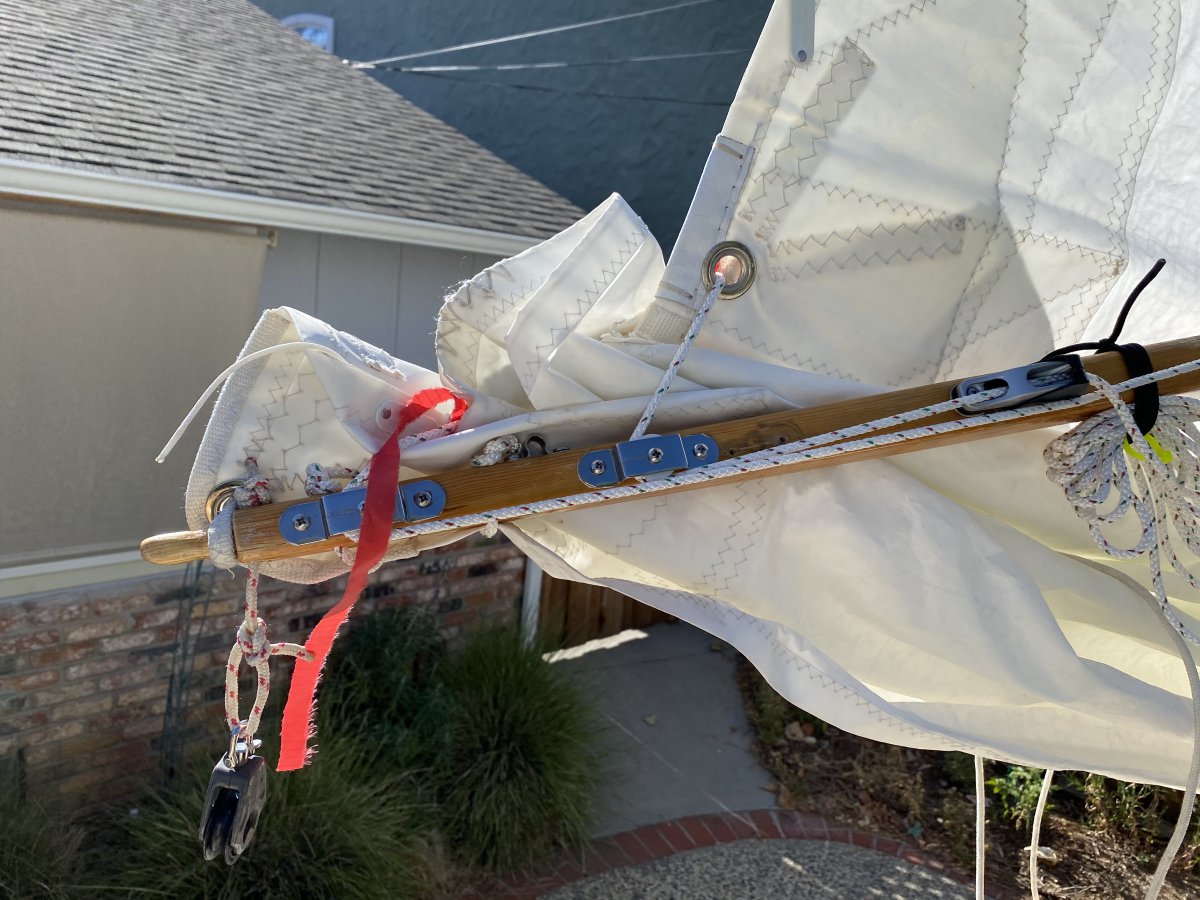
I tried out the new jiffy reefing system during a long weekend cruise in Tomales Bay, CA last weekend. I love it! * As usual, I had the opportunity to sail with no reef, one reef and two reefs * It is so much faster and easier than before. * I was able to reef the main entirely from the cockpit and cabin companionway * Like @Dnjost I found myself using the reef points, but only one per sail. * I used wrap-it stretchy velcro ties to capture the loose coils of clew downhaul lines along the boom. These let me gather up the coils and tie them down with one hand. * Video of sailing with one reef tied in https://photos.app.goo.gl/oWCU1cRRzB6b8BkZ9 * I added a few more pictures to this folder https://photos.app.goo.gl/C6ZMdpgNgzTRDAzL8

-
Ok, I think that answers my question about the mast rake - it is not the likely culprit. I'll experiment with sail trim, centerboard position and ballast / no-ballast. I love the idea of using GPS traces to validate different approaches. I do this kind of data analysis for my bike rides all the time but it never occurred to me to do it for the boat (it has been such a long time since I raced dinghies). Our next outing will be to the sheltered waters of Tomales Bay so I should be able to get some good data. Thanks for your help!
-
See my other post about weather helm
-
That's a great idea about leaving the extra downhauls slacked. I'm looking forward to trying it all out in a few weekends.
-
So fun! My previous boats were a cat rigged sharpie and a yawl rigged drascombe - neither of which self steered.
-
Alan, Thanks for that analysis! You are so right - 10 degrees is just a measurement error. I just went outside and measured the masts on the trailer. First I attempted to level the trailer using the mizzen mast partner and the companionway thwart (picture 1). Then I used a 4' level to check the rake of both masts (picture 2,3) * main : 2.8 degrees (1.375" over 48") * mizzen : 4.7 degrees (2.25" over 48") These measurements are much more precise and also more in line with your expectations. The difference is 1.9 degrees, not the 7 degrees that I speculated earlier. A rough calculation shows that this would move the mizzen's center of effort back about 3 inches. I wondered how much the extra slop in the mast step contributes to the rake (on this boat, the mizzen mast step is shallower than others), so I stuck a shim in the aft edge (picture 4) and measured again. It reduced the rake by half a degree (2" vs 2.25" over 48") While the boat was "leveled" I mounted the rudder (picture 5). It seems ok, but I'm not sure what it is supposed to look like). picture 1. leveling the boat on the trailer: Picture 2 - mizzen rake: Picture 3 - main rake: Picture 4 - rudder: Picture 5 - shim on mizzen step:


-
@Paul356 thanks for the tips. @Thrillsbe I haven't given much thought to how I would correct the mizzen rake, but you are probably right that it is easier to hack up the thwart than the cockpit sole. From the photos above, it looks like the mizzen is raked at about 10 or 12 degrees and the mainmast seems to be raked at about 2 degrees. I was standing on the boat when I took those photos, so my weight will have influenced the fore-aft trim when I was near the bow so maybe the main mast is actually raked 3 degrees. I don't have the CS 20 mk2 drawings, but I am fairly certain the mizzen should not be raked that much (the CS 15 mizzen is raked at 3 degrees). So, assuming: * the designed calls for 3 degrees (my 10 degree mizzen is raked an extra 7 degrees from where it is supposed to be). * the center of effort on the mizzen sail is 10' above the cockpit sole. Then: * the center of effort of the mizzen sail is 1.2' farther aft than the design calls for. ( sin(7) * 10' = 1.2' ). Graham has suggested raising the board a bit which moves the center of lateral resistance farther aft. This does reduce the weather helm to some extent. So now to validate my assumptions: 1. What is the correct mizzen rake. 2. How much does the mizzen rake affect the steering.
-
For a while now, I've noticed that my CS 20 doesn't point very well compared to other boats (including other Core Sound boats). It could be they way I sail her, but I suspect it has a lot to do with excessive weather helm. To get a balanced helm, I often raise the centerboard a bit and luff the mizzen. On a hunch, I took a level to the main and mizzen while the boat was moored in a quiet marina to see whether the mizzen is raked too far back. I discovered that the rake of the mizzen is considerably more than the main. I calculate that a three to five degree difference would move the center of effort back 6" to 10", but I'm uncertain how much of a difference that would make in weather helm. I'm not looking forward to rebuilding the mizzen mast step, but if I decide to do it, I'd like to feel optimistic that it will make a difference. Has anyone observed this in their Core Sound boats? Thanks, Frank San Miguel San Jose, CA CS 20 Mk 2 Wren Mainmast rake: Mizzen rake: Calculations:


-
Thanks, I was hoping to hear that! The addition of a tiller clutch has really made a difference in self steering at different points of sail. Depending on the intensity of the wind, I can even self steer close hauled.
-
The mainsail reefs are mostly complete. Getting the four new lines set up properly will increase the time to launch, but hopefully I’ll improve. First few times I kept getting lines tangled. I used bungee to collect the coils of extra line but I think Velcro will be even faster. Those two extra downhauls make it harder to raise the sail. It already take a lot of force because of the stainless steel tracks so the extra effort need is noticeable. I really have to pull to get that sail up. (Sail track lube helps a little). Has anyone here upgraded their old SS tracks to the new aluminum extrusions?


-
There are small cracks in all of the joints where the smaller diameter tubes are fiberglassed to the larger diameter tubes. Does anyone else have this? Do you think I should be worried? Thanks, Frank San Miguel San Jose, CA Core Sound 20 Mk 2


-
@Pete McCrary Thank you for posting your owners manual! Wow. Very organized and detailed. I've already picked up a few tricks that I can try on my Core Sound 20 Mk 2.
-
@Dnjost It must be fun sailing around Cape Cod. Definitely on my bucket list. The biggest things we have to watch out for are whale watching boats and the occasional whale ?. @Paul356 It is good to hear that you have had success with this setup. I just got my cleats and blocks in the mail from the B&B store. I'm going to do some drilling and gluing this weekend! (As it usually goes with me, I forgot a few items so I'll need to make another order).
-
Thanks David, Do you always tie down the sail at the reef points? Frank
-
Out here on the Pacific coast, every day starts out with fog, light and variable winds. By noon it has jumped to 10 to 15 mph steady northwest or westerly, and by 4:00 pm winds are 20 to 30 mph. Almost every day out, I have started out with no reefs and finish up with both reefs tied in. On Wren (the Core Sound Mk 2) I don't look forward to my trip to the foredeck amid big ocean swells to tie in the second reef on the mainsail. I should have added jiffy reefing a long time ago, and now I will finally do it. I've watched the video that @Alan Stewart made of Carlita's jiffy reefing system (around 20 minutes in) but I don't have enough cabin top space to follow them exactly. Here are my ideas: Mizzen * same as in the video Main * instead of bringing the clew downhauls forward and then back down to the cabin, just cleat the clew points to the boom using clam cleats, one on each side of the boom (see sketch below). * I suppose I could add more control lines outboard of the hand rails, but it isn't my first choice. * Tack downhaul for both reef points since I use them every time I am out Since I'm leaving the clew downhaul on the boom, I have to have a system to manage the coils of extra line that are dangling there when I set each reef. I'm thinking about stretching a piece of bicycle inner tube as a rubber band just forward of each cleat and then stuffing the coil underneath after I'm done reefing. Are there any Core Sound boats out there with a similar setup? Are there any other ideas or variations I should consider? Photos and video of my sailing arrangements https://photos.app.goo.gl/C6ZMdpgNgzTRDAzL8 --Frank San Miguel, San Jose, CA


-
We are so glad to hear about the good progress. Our thoughts are with you Carla. Frank and Julie
-
I just built some oars to Graham's design and blogged about it. I love them. http://sail.fsanmiguel.com/2014/07/building-oars-and-oarlocks.html Frank
-
Also forgot to mention that on the same day that we sailed close hauled double reefed with water ballast we did a few tacks close hauled later in the day without water ballast (and only one reef). I think our speed may have been faster but the boat was also much more likely to bury the rail and round up. I had to pop the main sheet during a couple of puffs and it required more concentration to sail. Not a scientific test because the wind was different between the two runs.
-
Yes. I was thinking this too. We rigged a simple tarp-dodger during the worst of the rain. I think it would be really cool to rig up some sort of a full cockpit tent like those wayfarer dinghy cruisers. The only problem is the mizzen mast. Or maybe something like this:

-
Congratulations! Looks beautiful. My Mk2 has double ended sheets for main and mizzen - they work great. It looks like your rowing station is very similar to mine. My oarlocks are about the same height off of the water and a few inches inboard of yours. I sit on two boat cushions to get the right arm position but it looks like your thwart is a lot higher off the water than mine. I made the longest oars that I could fit in the cockpit, 10'3", and I think they are about right. Ignoring storage and just focusing on rowing I think they could be longer. I added counterweights (zinc anodes) which makes a huge difference.