Richard Whitney CS#70
-
Posts
301 -
Joined
-
Last visited
-
Days Won
1
Content Type
Profiles
Forums
Events
Everything posted by Richard Whitney CS#70
-
Ahoy! CS 17, #218, "Lady Grace", has LAUNCHED!!
Richard Whitney CS#70 replied to SUKIE's topic in B & B Yachts Forum
Well done!! Great to see another CS17 hit the water. Looks like you did a great job. -
Hi Wes and Ray I am interested in building oars as well - and in particular what sort of wood would be best to use. I have made a greenland paddle in the past from western red cedar - nice and light but not sure if this would be strong enough for an oar. Any suggestions appreciated.
-
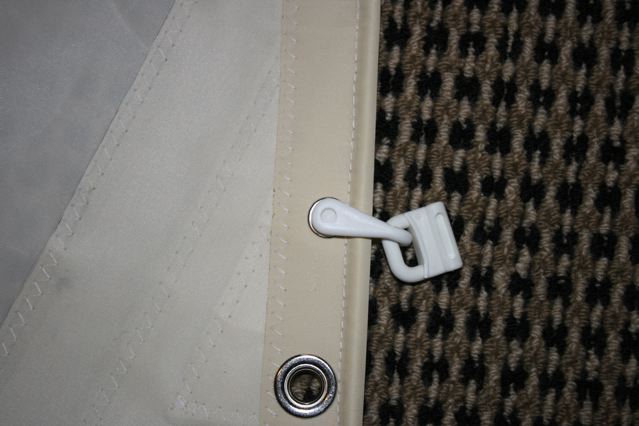
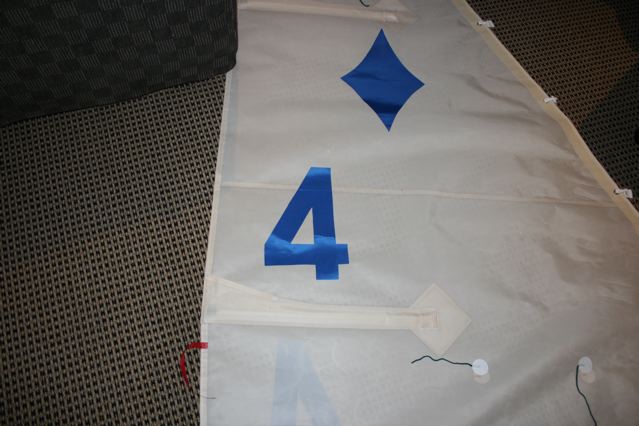
Picked up sails today (a little cheaper to get them made in winter over here - hence getting them done now). The main and mizzen are cream. Exciting so get them. Incentive to get on with the building. Photos are of the stays'l and the mizzen. Tom - I was curious on your foredeck you have some fairlead made of wood - do they just have 'hole' leading halyards etc aft or do you have sheaves in them?
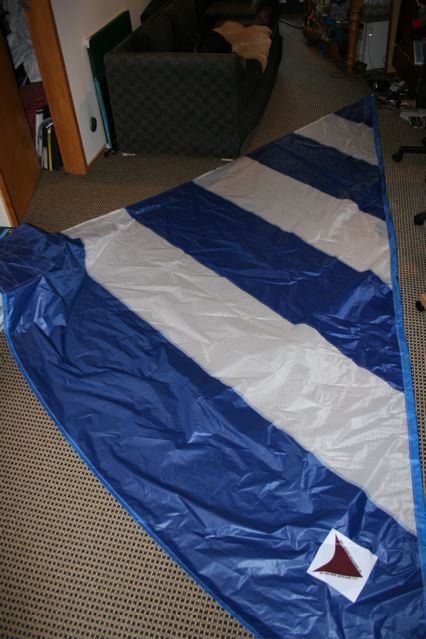
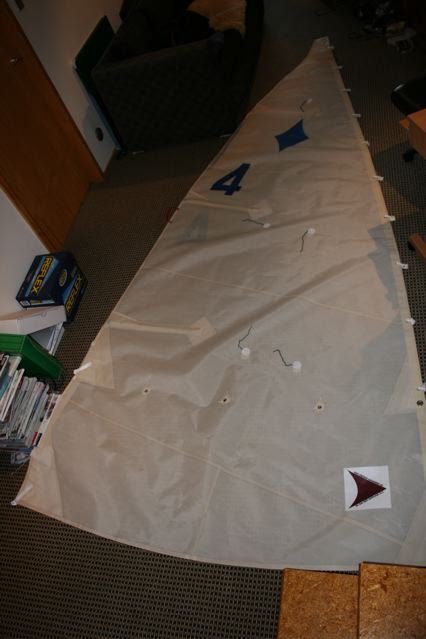


-
Scott - Great to see another CS17 hit the water - the more you sail her the more you will come to enjoy her. Looks like you have done a great job. What paint color did you use on the hull? Would be good to see another picture some time of the boat up close.
-
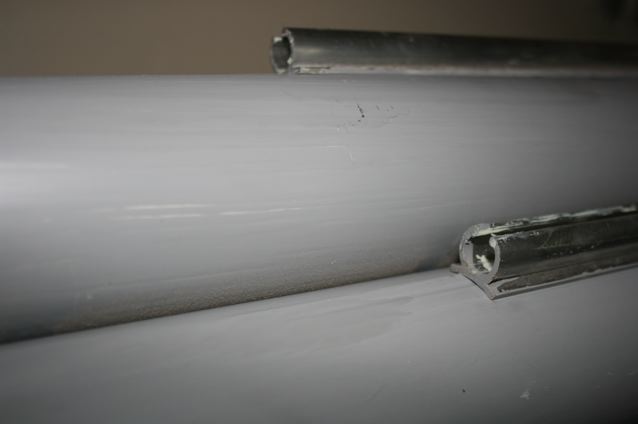
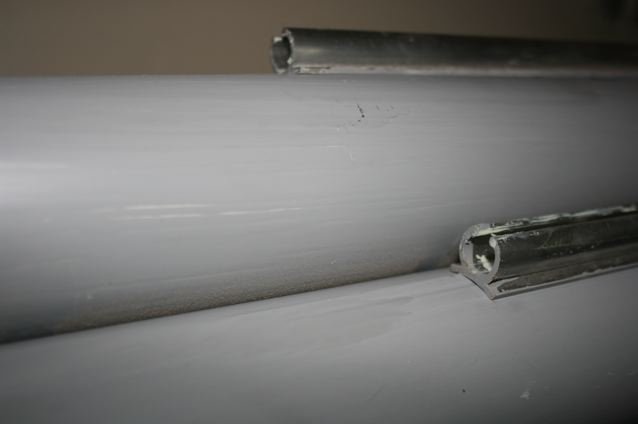
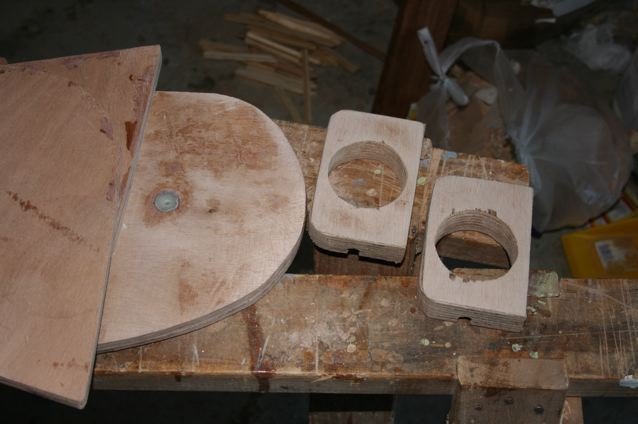
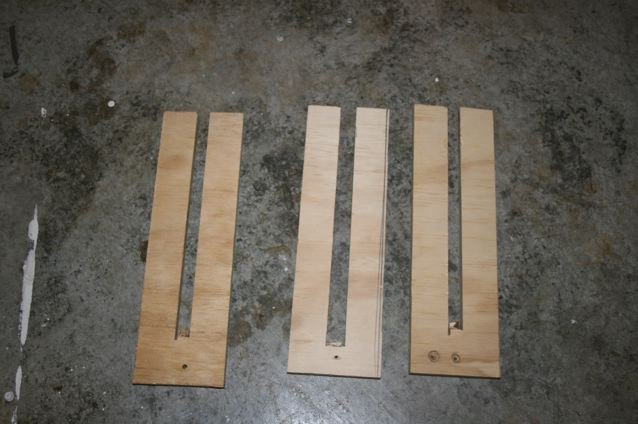
I have been working on masts, rudder, centerboard etc over the last couple of weekends. I have etch primed the aluminum sections of the masts and riveted the mast track. You can see I have used an aluminum section that has an internal track that takes oval slugs (which are attached to the sail). It is impossible to get a conventional rivet gun to go inside the groove. Luckily the place that sold me the track had a special fitting that went on the end of their pneumatic rivet gun and allowed me to come in at the end of a day and 'shoot' rivets using their gear. So now both mast have the track (all on piece) in place and read to paint and put fittings on.



-
Thank you Wes for your description of why you went for the CS20 rather than Princess. With winter in full swing here I have been having 'cabin fantasies' and secretly looking at Princess photos when my wife is not around. Reading your reasoning reminded me (along with Tom's reasoning for commissioning the Lapwing design) of why I am building the Lapwing. For the difference in building cost, savings on having to rent a space to build it in, cost of a bigger more powerful vehicle to tow, cost for renting a space to keep the boat (not enough space at home) - I should have enough left over for a pretty good backpacking tent and a good sleep bag (and even rent a motel room from time to time). With this build I am also going to pre -plan a dodger/shelter to be able to sleep on the boat - I would almost always be alone when roughing it to that point.
-
Hi Graham/Tom I would be interested on your comments on how an aft deck on Lapwing work work. I liked it on my CS17. I would build it in where the aft hatch/seat current sits - so it would just involve a little work on the bulkhead that is already there (designed to be cut back later in the current plan). Would this leave too small a cockpit in your opinion - or would it just use space that on the 'Coaming' thread people say they do not use anyway. (re- did my mast tube - now meet Yankee specifications)
-
Lapwing mast tube question
Richard Whitney CS#70 replied to Richard Whitney CS#70's topic in B & B Yachts Forum
Come to think of it - maybe it is easier to do it again. I should have checked it out ahead of time rather than be 'southern hemisphere literal' : -
Like your teardrop trailer. I saw one down here in NZ and investigated building one. Still haven't figured our how to tow it and the boat at the same time.
-
Lapwing mast tube question
Richard Whitney CS#70 replied to Richard Whitney CS#70's topic in B & B Yachts Forum
Yes I was reading it as 6 mm - had difficulty finding plastic that thick so used the heaviest sheet plastic I could get and folded it over multiple times. Should be able to fix it without redoing it. Thanks -
Lapwing mast tube question
Richard Whitney CS#70 replied to Richard Whitney CS#70's topic in B & B Yachts Forum
Thanks Tom I used 6 mil thick plastic. I ended up with 3mm space around the mast (6mm if you push it hard up against on side. Your suggestion of just thickening it up a bit at both ends sound good. I will put it to one side now until I get ready to instal it. -
Laid up my mast tube yesterday using Tom's method with the plastic strips. Worked great - no trouble getting it off. What I wanted to check is I have about 6mm of play (not as tight fitting as the mast tube I had on my cs17). I assume this is OK but just wanted to check.
-
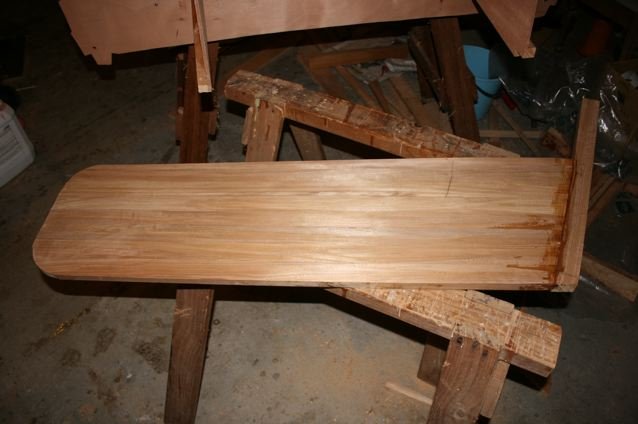
A little more progress. Have completed the centreboard and done most of the shaping on it. Have also completed to of the hatch channels and the rudder is ready to glue up. Last weekend I didn't get anything done - instead went sailing on the shortest day here. It was cold and crisp but a lovely day with a 15 knot breeze. Went out on a friends 26ft keelboat. It was my job to roll my pants up to launch the tender off the beach (too cold to go swimming). I am getting quotes for my sails this week as there is a little saving getting sails made in the winter when the sail makers are slow. Tom - if you read this I would be interested in a rough idea of how much your sails were (just to check if it would be cheaper to source them through Graham)
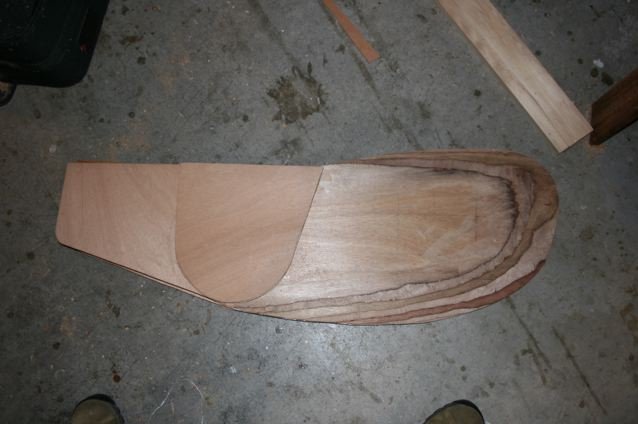
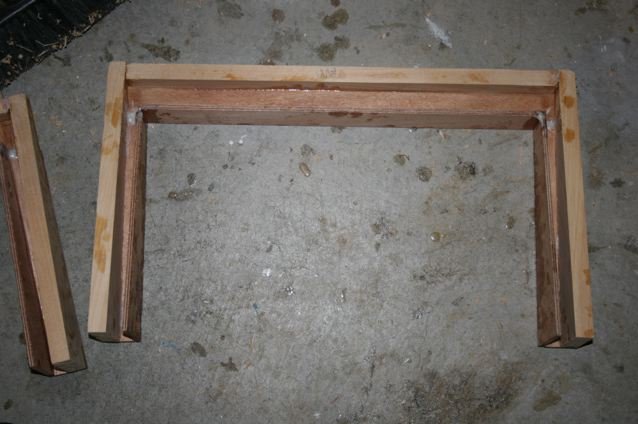
-
The saw horses are kwila - a tropical hard wood from Fiji used for decking timber here- when on special over the summer it is cheaper than pine (our cheapest timber here). On of the down sides of it for anything other then decking is it bleeds and stains other wood around it.
-
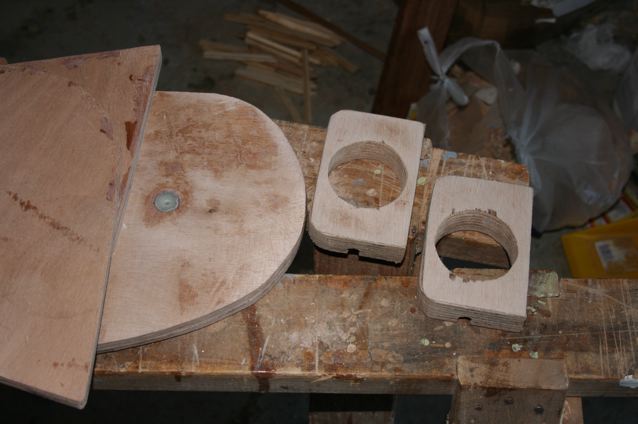
Hi Tom and Graham I am planning ahead for when I start doing the strakes. If I don't have a lot of mechanical clamps do you think it is worth the effort to cut a set of ply wood clamps like the ones you used Tom. If so what dimensions would you recommend. Thanks Richard
-
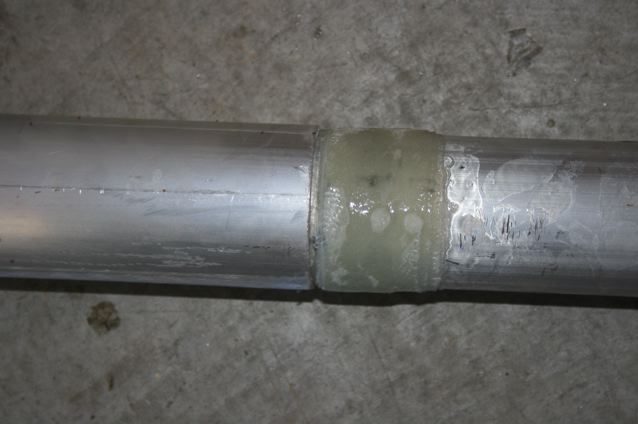
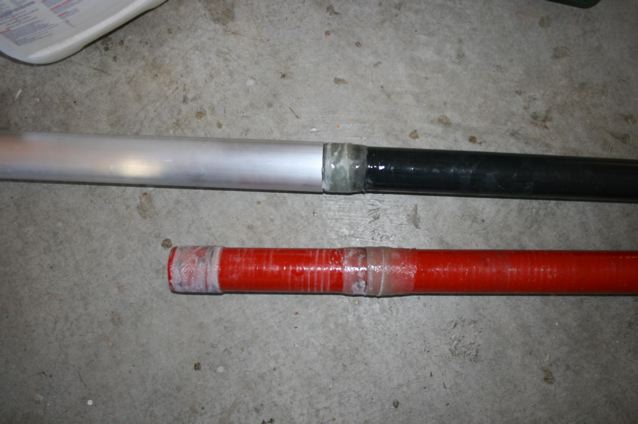
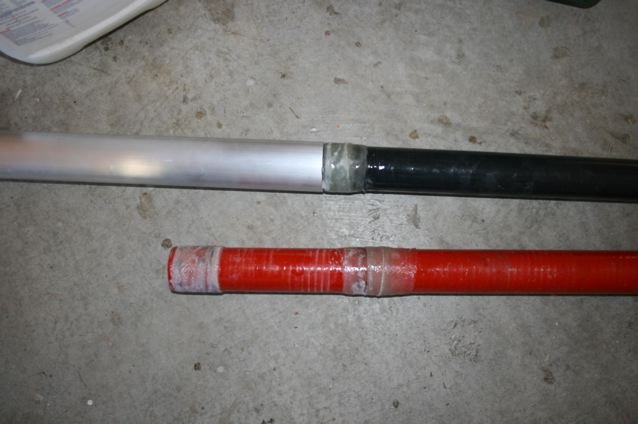
The other thing I have been doing is to set up the mast sections to fit together. I am using a base and mid section as close to the dimensions and alloy as I could find. The mast tips are second hand windsurfing mast bases - the mizzen is fibreglass (red) and the main is carbon/fibreglass (black). I will prime everything and paint it white. The next step is to attach sail track.
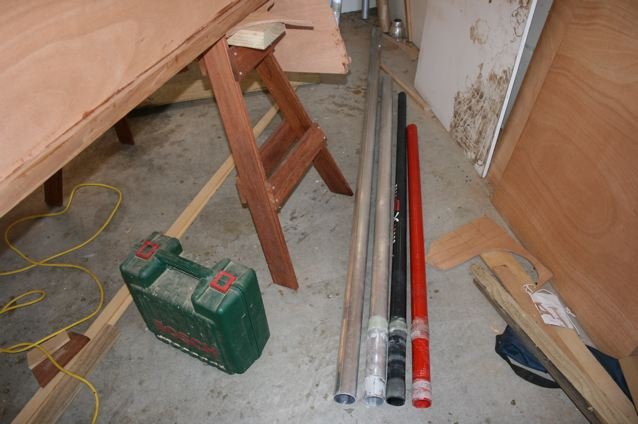

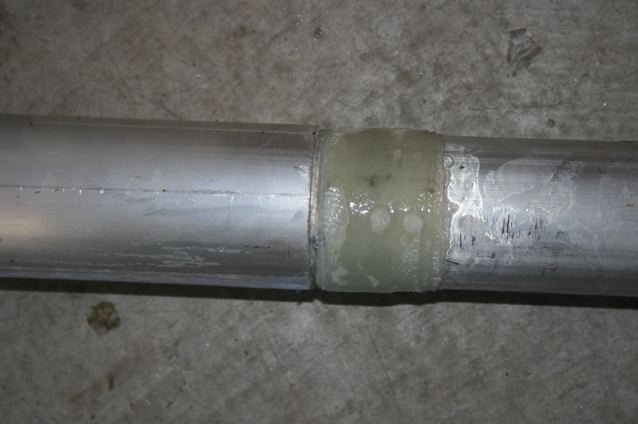
-
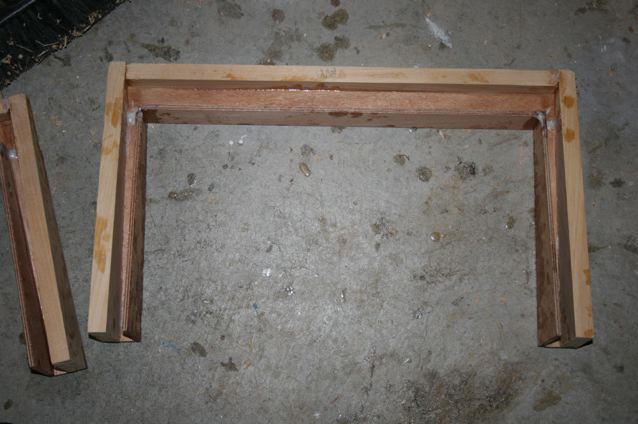
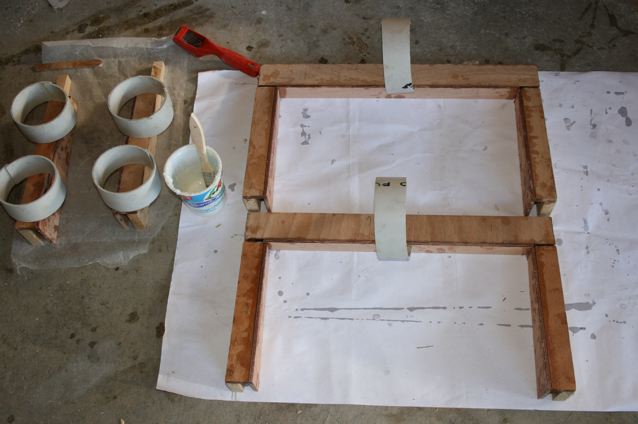
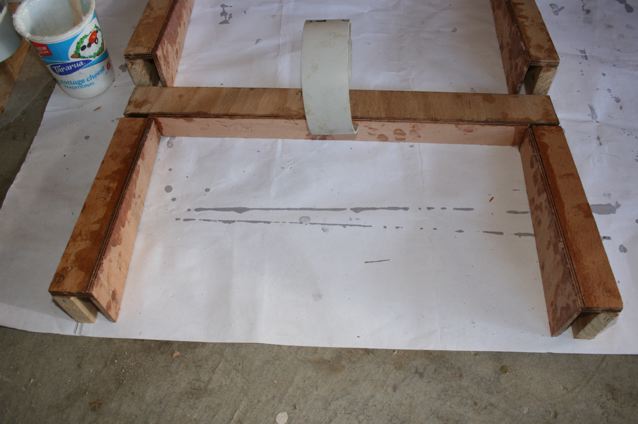
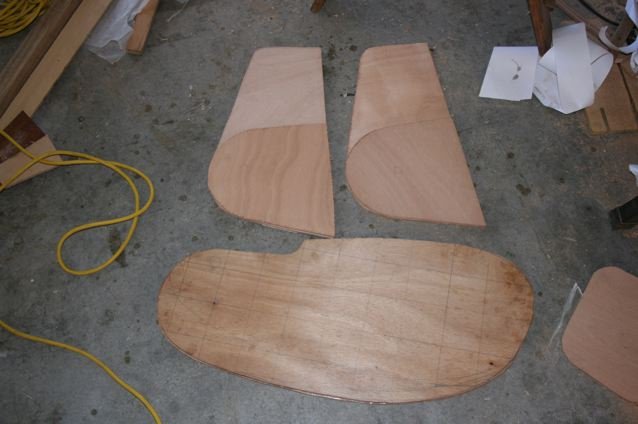
I am doing some projects I would normally wait until later for. One of these is making hatch channels. This is something I did not do well on my CS17 - so I want to get it right this time. The plans for these are excellent - but getting everything level and square takes some attention to detail (closer to guitar building then my usual boat building standard). I drew up a template on a sheet of paper to sit everything on when doing the final glueing to make sure everything is square and level.


-
Wojtek Great to see your boat out on the water. Looks like you have done a good job on the build. Hope she gives you many happy hours. Richard
-
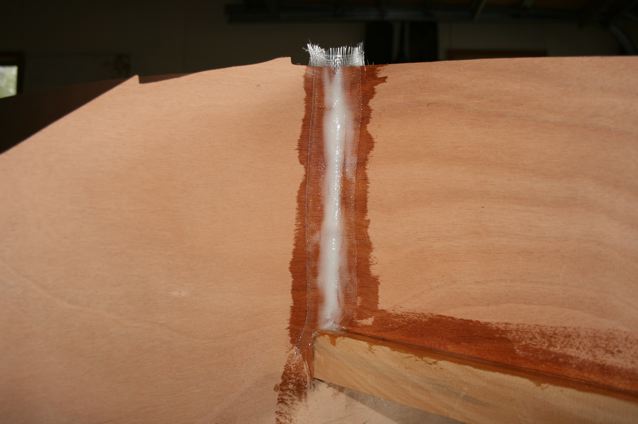
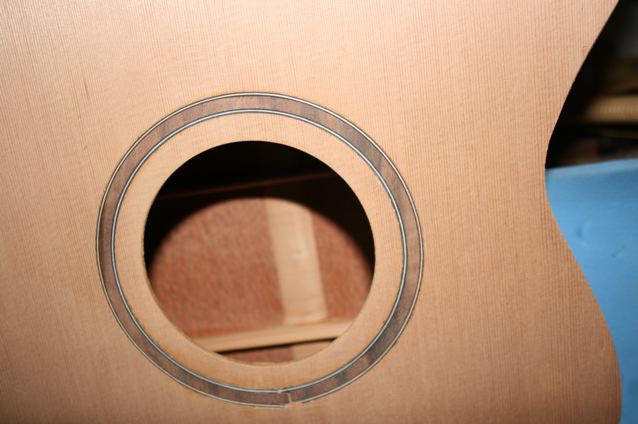
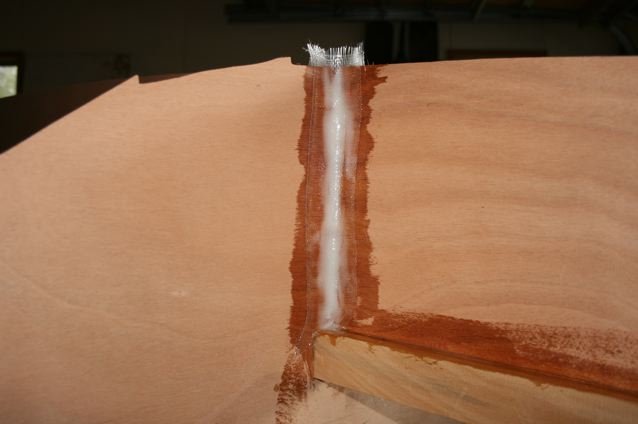
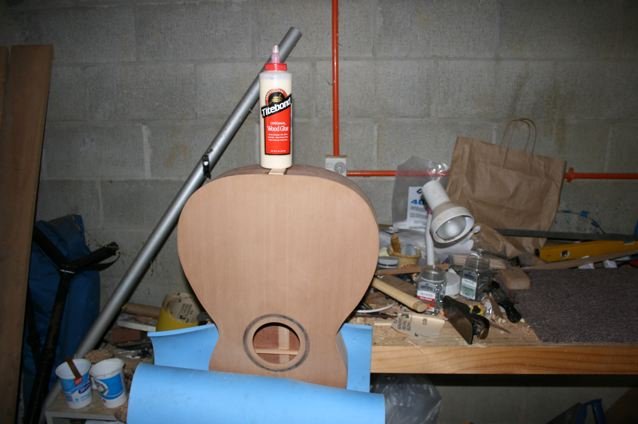
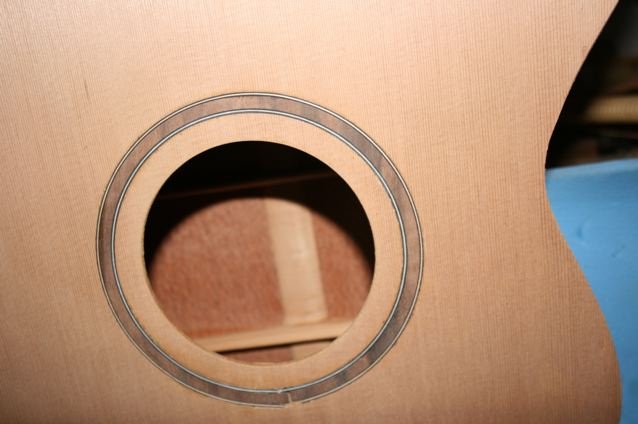
A bit more progress this weekend. I have squared everything up and filleted and taped the joints between the bulkheads and the side seat sides. This will firm up the structure to be ready to start laying strakes. While the epoxy is drying I can do a little work on the steel sting guitar I am building (I can get away with the Titebond here)

-
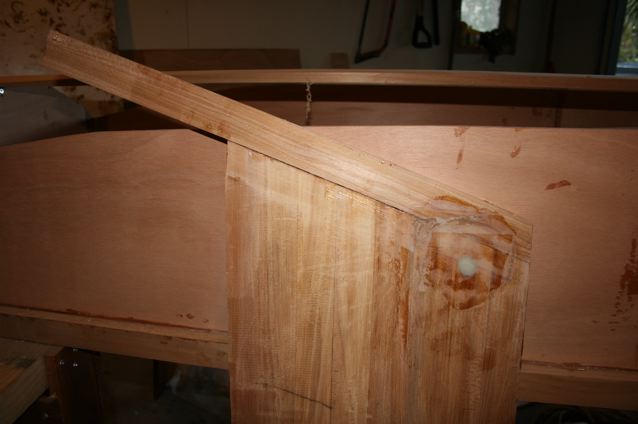
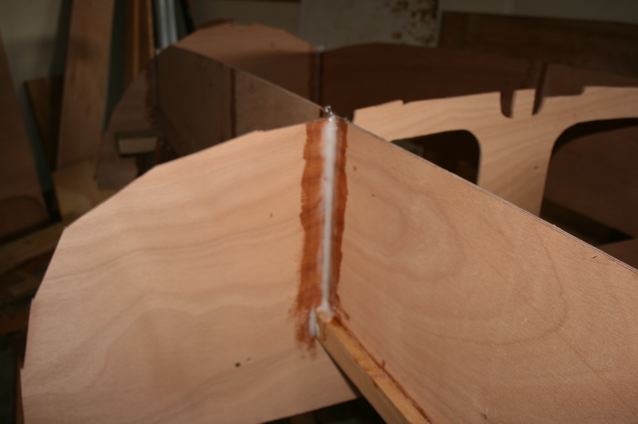
Making some progress. Have glued up the curved transom and cut a notch in the end of the side seat side to fit the slot routed into the inside of the transom. I have also started to square the boat up getting ready to glue the bulkheads to the side seat sides. I have also done some preliminary shaping of the stem and keelson.


-
Hi Tom If you read this can you let me know if I shape the inner stem and keelson in the manner explained in Iain Oughtred book does that basically work for the way the strakes land on Lapwing. Thanks Richard
-
New Builder looking at CS17
Richard Whitney CS#70 replied to ecgossett's topic in B & B Yachts Forum
Joel Having built a CS 17 and sailed her for 4 years if found her plenty big enough - and at times on the edge of too big when the tide had gone out a bit and I wanted to push her back in the water on my own, getting launched on and off a beach rather than a boat ramp etc. I am currently building a Lapwing - mainly to have a go at lapstrake and end up with a curved hull - but also because it is a bit smaller and lighter and most of my sailing is on my own. I would go with the CS 17 unless you have a real reason for the larger and slightly faster CS 20. If you read this Tom I would be interested in your comments how you find the size of Lapwing compared to a CS 17 and to your BRS 15 -
Oyster - if you look closely you can see and upside down photo of Team New Zealand (opposite page to the race horse.) I think from past experience things will slow down - especially doing the lapstake bit and once I turn her over and do all the finishing. I am estimating 14 -18 months.
-
The next step is to get the stem in place and to get the transom ready. Also need to attach the forward bulkhead which is still glueing.


-
I have gone 3D. I can now get a sense of the size of the boat and where to set it up for the build in the garage.